Media strategy for fame: 119 hours Alpha city status why
A bright studio light reflects off a polished lens as a director calls for silence.
The media strategy for fame in a global hub requires understanding the intersection of massive urban influence and digital connectivity. This guide examines how the unique environment of Los Angeles shapes celebrity profiles through industry concentration and global reach.

Key takeaways include the historical dominance of the local film industry, the impact of urban scale on visibility, and the necessity of navigating a highly competitive landscape.
How does historical industry concentration impact the media strategy for fame?
A vintage film reel spins on a projector in a dark, quiet screening room. By 1921, more than 80 percent of the world's film industry was concentrated in L.A. This massive concentration created a foundation where the media strategy for fame could be developed through proximity to production hubs.
This historical density ensured that talent could build a career within a single geographic area. The sheer volume of industry professionals allowed for a specialized ecosystem of talent and management. This concentration remains a defining factor for those seeking a film career rise.
What role does urban status play in building public profile?
A traveler walks through a bustling metropolitan plaza, looking up at the skyline.
According to a 2012 study by Loughborough University, Los Angeles has been classified an "alpha world city." This status provides a global stage that assists in building public profile through international recognition.
Being an alpha world city means the local environment serves as a primary node in the global network. This status facilitates a massive media presence growth by attracting international attention. The city's global standing acts as a natural amplifier for anyone working within its borders.
According to World Bank, the 2024 record includes 94.7%.
How can a TV role to celebrity transition be managed in a large city?
A performer sits in a makeup chair, glancing at a script while a stylist works. Transitioning from a TV role to celebrity often requires navigating the vastness of a sprawling metropolitan area. The scale of the city provides diverse venues for public appearances and brand building.

Managing this transition involves utilizing the wide variety of local settings to create a distinct public identity. Success often depends on how well an individual can move between different social and professional circles within the city. This movement is a key part of a movie success path.
How does the city's landscape affect fame through screen?
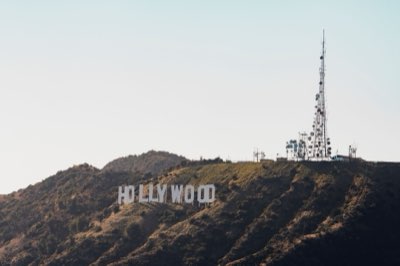
An actor stands on a rooftop, looking out over a sea of buildings at sunset. Outside of a few centers such as downtown, Warner Center, Century City, Koreatown, Miracle Mile, Hollywood, and Westwood, skyscrapers and high-rise buildings are not common in Los Angeles.
This specific urban layout shapes how visibility is achieved.
The concentration of high-rise buildings in specific districts creates distinct hubs for industry activity. These centers serve as the backdrop for much of the city's professional life. Navigating these specific areas is essential for those seeking fame through screen.
Is the media strategy for fame influenced by digital connectivity?
A person scrolls through a smartphone while sitting in a quiet cafe. According to World Bank data, the United States recorded share of internet users of 94.7% in 2024. This high level of connectivity provides the digital infrastructure necessary for modern stardom.
High internet penetration allows for immediate global reach from any local setting. This digital access is a vital tool for anyone attempting to manage their public image. Success in the modern era requires a seamless blend of physical presence and digital engagement.
What are the logistical challenges of maintaining a media presence growth?
A driver sits in a car, staring at a long line of brake lights in the late afternoon.
The Texas Transportation Institute's annual Urban Mobility Report ranked Los Angeles area roads the most congested in the United States in 2019, as measured by annual delay per traveler, area residents experiencing a cumulative average of 119 hours waiting in traffic that year.

Congestion can significantly impact the daily schedule of busy professionals. Moving between sets, studios, and public events requires careful timing to manage time lost to travel. These logistical hurdles are a constant reality for those maintaining a media presence growth.
- How does historical industry concentration impact the media strategy for fame?
- What role does urban status play in building public profile?
- How can a TV role to celebrity transition be managed in a large city?
The same subject is also called TV show to stardom.
Related
- LA artist music genres: R&B to experimental indie guide
- LA artists: Why Global reach of LA artists is vital to city
How does the bright studio light compare to digital reach?
A bright studio light, while rooted in physical production, finds its modern parallel in the vastness of digital connectivity. The physical presence required for a film shoot mirrors the digital presence needed to sustain modern stardom.
Both environments demand a high degree of focused performance to capture attention.
The initial success captured under the bright studio light translates into the digital footprint. This transition mirrors the need to translate on-set performance into viral online engagement. Both stages require peak execution to achieve widespread recognition.
What is the caution regarding logistical movement?
The caution regarding logistical movement stems directly from the city's sprawling nature. Moving through the metropolitan area is not merely a matter of travel; it is a performance element. Successfully navigating the city’s geography becomes part of the public narrative.
The journey between different locations, whether for a scene or a public appearance, adds to the persona. This movement itself contributes to the visibility sought by those whose careers are tied to the city. The constant movement is a condition of modern visibility.





Comments 0