80s to Today: LA's Shifting Identity & Visitor Safety
"Safety in Los Angeles isn't about a single red flag on a map; it's about understanding the nuance of every street corner."
Navigating Los Angeles can feel like moving between different countries every time you cross a freeway interchange. One moment you are strolling through a manicured seaside plaza, and the next, you are navigating the grit of an urban center.
Key Takeaways * Safety in LA is highly localized; a "bad" neighborhood can transition into a "safe" one within two blocks. * Matching your accommodation to your specific travel goals (beach vs. theme park vs. nightlife) is the most effective way to manage risk.
* Understanding the transit vs. driving dynamic is essential for moving through the city without unnecessary friction.
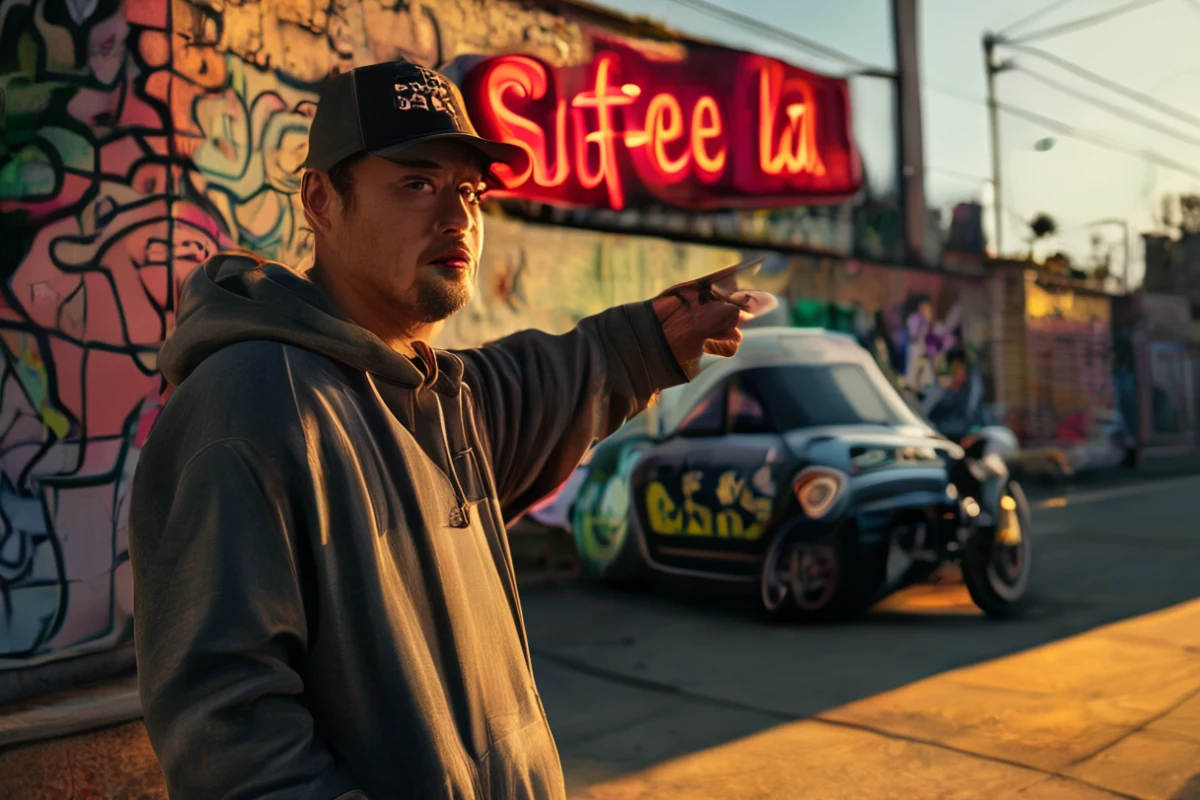
Where should I stay? The sun hits the windshield of a moving car at 8:00 AM, reflecting off the glass of a high-rise as the driver checks a GPS route toward the coast. Choosing a home base in Los Angeles is less about "safety" in a vacuum and more about how your lifestyle interacts with the local environment.
When travelers look at a map, they often see a massive, undifferentiated sprawl. However, the reality is a patchwork of distinct zones.
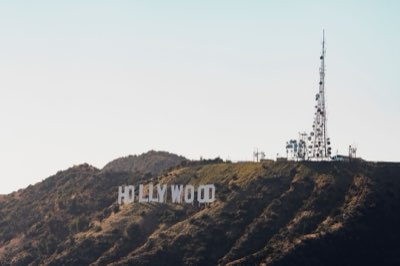
If you choose a hotel in Hollywood because it is central to the sights, you are accepting a much higher level of foot traffic, noise, and transient populations compared to a hotel in Santa Monica or Anaheim.
The decision often comes down to the trade-off between convenience and peace of mind. For example, someone visiting Disneyland will find much more stability in Anaheim than in downtown LA.
Conversely, someone looking for the quintessential California vibe might head to the coast, but they must be prepared for the density and the unpredictable nature of boardwalk environments.
It is worth noting that the housing landscape in the county is incredibly diverse, with a significant portion of the population moving between rental and ownership. This constant movement contributes to the shifting "feel" of neighborhoods.
While some areas remain stable residential pockets, others are in constant flux due to development or economic shifts.
But what happens when you actually hit the pavement?

Driving & Getting Around LA: Safety Pitfalls to Avoid
A heavy foot presses the brake as a sudden lane change occurs on the 405 freeway, the sound of tires humming against the asphalt filling the cabin. Moving through Los Angeles requires a different kind of situational awareness than almost any other American city.
The primary mode of survival for most is the car. Navigating the massive freeway system requires focus, but the secondary challenge is often the transition from the freeway to local streets. Parking in high-density areas can be a significant stressor.
Leaving valuables in a car parked on a side street in a busy district is a classic mistake that leads to broken windows and lost electronics.
For those not driving, the transit landscape is a specific variable. According to the 2024 US Census Bureau American Community Survey, around 6.2% of working Los Angeles (city) residents commute to work via public transit.
While this percentage shows that transit is a utilized part of the city's fabric, it also highlights how much the city relies on individual vehicles.
If you are using rideshares like Uber or Lyft, always verify the vehicle and the driver before entering. If you are using the Metro, try to travel during daylight hours and stay in cars where other passengers are present.
The transition from a moving vehicle to a walking environment is where most travelers feel most vulnerable, so always have a clear plan for your destination before you step out of the car.
However, the streets tell a different story than the highways.
How do I stay safe in tourist areas? The salty breeze carries the scent of fried dough and ocean spray as crowds weave through narrow walkways near the boardwalk. For many, the beach is the primary draw, but these high-density areas require a specific type of vigilance.
Take Venice, for example. Originally called "Venice of America," it was founded by wealthy developer Abbot Kinney in 1905 as a beach resort town, located 14 miles west of Los Angeles. While it retains much of that historical identity, the modern reality is much more complex.
The transition from Kinney's original vision of a refined resort to the current high-density, eclectic mix of street performers, tourists, and local residents creates a unique atmosphere.
In these coastal zones, the "safety" concern is often related to petty theft or being overwhelmed by crowds. Because these areas are designed for high-volume foot traffic, it is easy to lose track of your belongings.
The density of people can provide a sense of security through "eyes on the street," but it can also provide cover for quick-fingered pickpockets.
Always be aware of your surroundings when moving from the bright, open boardwalks into the narrower side streets. The transition between the highly monitored tourist zones and the more residential or industrial outskirts can happen very quickly.
But how do these streets actually function on a human level?
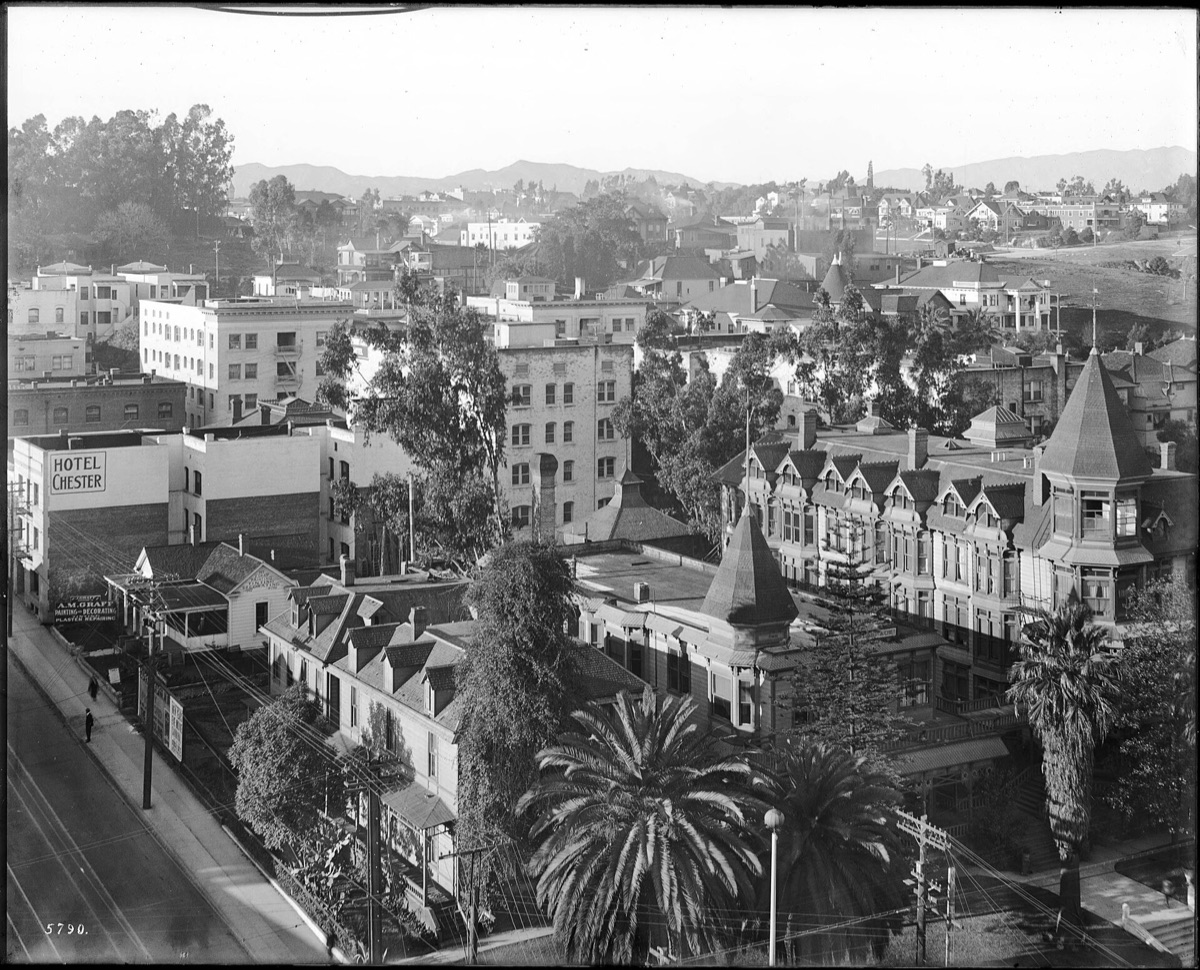
Deeper Dive: Understanding LA's Fabric (Demographics & Lifestyle)
A quiet church bell rings in the distance, cutting through the low hum of a neighborhood waking up to a new day. To truly understand why certain areas feel the way they do, one must look at the cultural and demographic layers that form the city.
Los Angeles is not a monolith; it is a massive cultural mosaic. The identity of a neighborhood is often shaped by the people who live there, including various ethnic groups, income brackets, and religious communities.
For instance, according to a 2014 study by the Pew Research Center, Christianity is the most prevalently practiced religion in Los Angeles (65%). This cultural backdrop influences the community centers, the types of businesses on the corner, and the general social rhythm of the neighborhoods.
This diversity means that "safety" is often perceived through the lens of cultural familiarity. A neighborhood might feel "safe" to one person because it feels like a bustling, familiar community hub, while another might find the same density intimidating.
Understanding these layers helps travelers realize that the "vibe" of a place is often a reflection of its history and the demographic shifts that have shaped it over decades.
| Feature | Urban/Downtown Areas | Coastal/Beach Areas | Suburban/Theme Park Zones |
|---|---|---|---|
| Primary Transit | Walking / Metro | Walking / Rideshare | Car / Shuttle |
| Main Risk Factor | Petty theft / Transit navigation | Crowds / Pickpockets | Distance / Car-related issues |
| Best For | Nightlife / Business | Relaxation / Atmosphere | Families / Sightseeing |
| Vibe | High Energy / Gritty | Eclectic / Breezy | Planned / Controlled |
When I first visited the Westside in 2025, I noticed how a single street could change from a quiet residential block to a bustling commercial strip in seconds. It taught me that the map is only half the story.
Planning Your Trip: Safety Checklist
A hand reaches into a backpack to double-check that a passport and a phone are still secure before stepping out into the bright afternoon light. Preparation is the best defense against the unpredictability of travel.
- Research Your Specific Neighborhood: Don't just look at "Los Angeles." Look at the specific blocks around your hotel. Use maps to identify nearby transit hubs and grocery stores.
- Plan Your Transit Routes in Advance: Know how you are getting from the airport to your hotel and how you will move between attractions. Having a secondary plan (like a rideshare app ready) is essential.
- Manage Your Valuables: Never leave bags, electronics, or even empty shopping bags in a parked car. If you are walking, use a crossbody bag that stays in front of your body.
- Understand the "Sunlight Rule": While LA is a 24-hour city, many travelers find it helpful to complete major outdoor sightseeing during daylight hours and use rideshares for late-night movements.
- Stay Aware of Your Surroundings: When stepping off a bus or out of a car, take a moment to scan the area. Identify your exits and the general direction of the nearest well-lit street.


Comments 0