502 Sq Mi City: Driving to LA's Most Flavorful Trucks
Beyond the tourist traps, unlock the true, sun-drenched flavor of Los Angeles by mastering the art of the pilgrimage to the ultimate taco truck.
* The taco truck is the beating heart of authentic, affordable LA street food culture. * Success requires knowing *where* and *when* to find the most highly-rated, local haunts. * Navigating LA requires understanding its unique driving culture and neighborhood dynamics.

Why the taco truck reigns supreme in LA's culinary landscape
The smell of sizzling al pastor meat and charred corn tortillas hits you before you even see the colorful metal siding of the truck. It is 11:30 PM on a Tuesday, and you are standing on a sidewalk in East LA, the warm breeze carrying the scent of cilantro and lime through the humid night air.
According to a 2014 study by the Pew Research Center, Christianity is the most prevalently practiced religion in Los Angeles (65%).
The deep cultural roots of Mexican-American cuisine in Southern California provide the foundation for this culinary dominance.
In a city where high-end dining in West Hollywood can cost $150 per person, the taco truck offers a level of genuine, on-the-go authenticity that fine dining simply cannot replicate.
The truck represents a mobile dining experience that mirrors the transient, fast-paced lifestyle of Los Angeles, where flavor is often found in the most unexpected corners. In 2025, as the city continues to expand, these mobile kitchens remain the most consistent culinary anchors.
The cultural weight of this food is significant, as the fusion of traditions has shaped the very identity of the region. In Los Angeles, food is not just sustenance; it is a shared heritage that bridges different communities through a single, perfect tortilla.
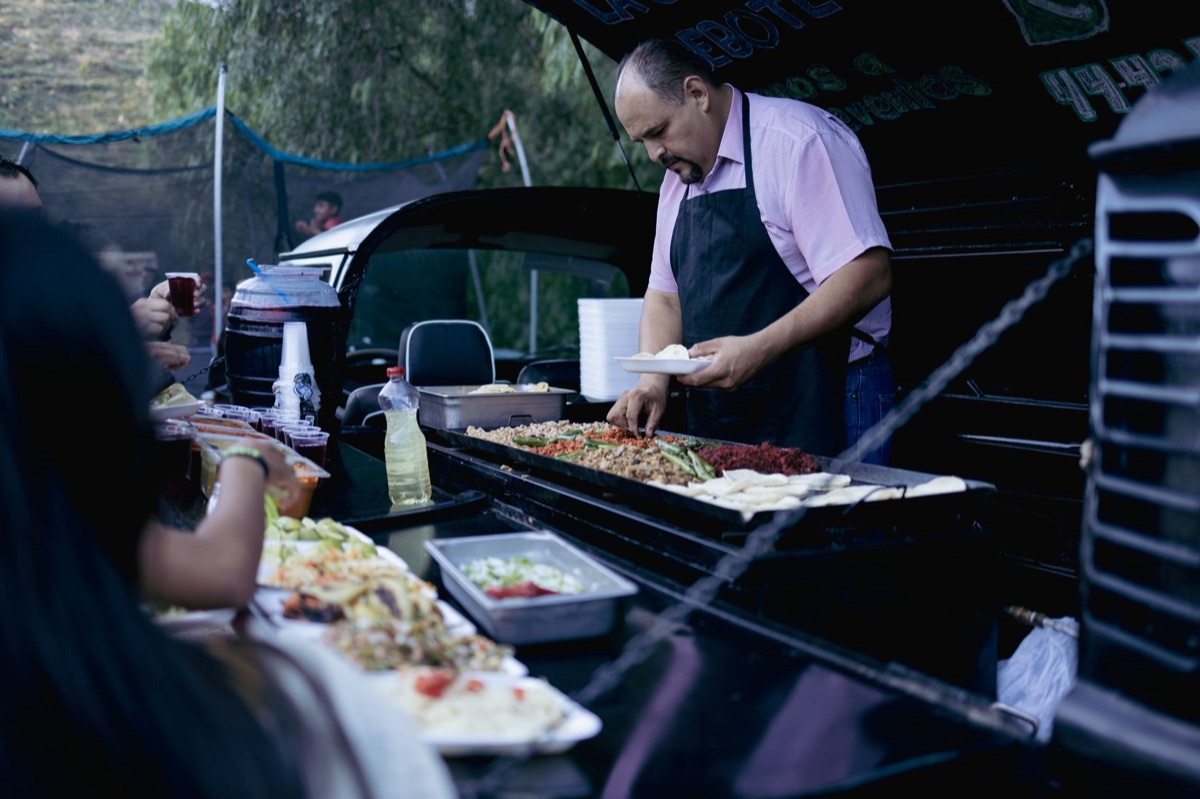
To find the real deal, you must look past the neon signs designed for tourists. A genuine local favorite usually lacks flashy, English-only menus and instead relies on a steady stream of locals in work clothes and weekenders alike.
If the line is long and the patrons are speaking Spanish, you have likely found a winner. But finding that winner requires more than just luck; it requires a strategy for the road.
How do I navigate driving and dining in LA? The sun beats down on the windshield as you merge onto the 101, the sheer scale of the city unfolding in every direction. You glance at the GPS, realizing that the city of Los Angeles covers a total area of 502.7 square miles, comprising 468.7 square miles of land and 34.0 square miles of water.
According to the 2024 US Census Bureau American Community Survey, around 6.2% of working Los Angeles (city) residents commute to work via public transit.
Driving in LA is an exercise in patience and spatial awareness. Because the city is so vast, you cannot simply "walk" to your next meal unless you are in a very specific, dense neighborhood. Understanding the scale of the city is vital for planning your food hunt.
For instance, the city extends for 44 miles from north to south and for 29 miles from east to west, making travel times unpredictable due to heavy congestion. In 2026, traffic patterns remain as complex as ever, making a 10-mile trip sometimes take 45 minutes.
When you are hunting for specific trucks, you will likely be driving. In the LA basin, the choice between a rental car and a ride-sharing service often comes down to your itinerary.
A car gives you the freedom to hit a remote truck in the Valley or a seaside stand in Venice, but you must be prepared for the complexities of parking. In many neighborhoods, finding a spot can be as difficult as finding the food itself.
It is also important to recognize that only about 6.2% of working Los Angeles city residents commute via public transit, meaning the vast majority of the population relies on vehicles to move between neighborhoods. This car-centric reality means your "taco run" is often a mini road trip in itself.
Always keep an eye on your surroundings and understand the neighborhood dynamics of the area you are entering to ensure a smooth transition from the driver's seat to the sidewalk. But once you arrive, how do you know which window to approach?
How can I find my perfect bite? You stand by the side of a quiet street, watching the chef expertly slice meat from a spinning trompo. The rhythmic *thwack-thwack* of the knife against the cutting board is the only music you need.
According to World Bank data, the United States recorded international tourist arrivals of 45,037,000 in 2020.
To identify a high-quality truck, look for the "line test." A long line of locals during non-peak hours is the strongest indicator of quality and consistency.
You should also pay attention to the sensory cues: the smell of fresh, handmade tortillas should dominate, and the sounds of a busy, efficient kitchen should be constant.
When I tried a famous truck in Echo Park last year, I realized that the smell of toasted corn was more important than any Yelp review.
The anatomy of a perfect taco relies on three pillars: meat preparation, salsa pairing, and build quality. Whether it is carne asada, carnitas, or al pastor, the meat should be seasoned deeply and cooked to order.
The salsa is the soul of the taco; a great truck will offer a variety of heat levels, from mild tomatillo to fiery habanero. Finally, the tortilla should be warm and pliable, never dry or stale.
| Feature | Tourist Trap | Authentic Local Spot |
|---|---|---|
| Menu | Large, English-centric, generic | Small, specialized, often bilingual |
| Atmosphere | High-energy, bright lights | Casual, community-focused |
| Tortillas | Mass-produced, thick | Freshly pressed, thin, corn or flour |
| Salsa | Mild, bottled-style | Freshly made, varying heat levels |
Timing is everything. Many of the best trucks operate on specific schedules, often peaking during late-night hours or lunch rushes. If you arrive too late, you might find the grill already cleaned and the truck gone.
But a successful hunt isn't just about the food; it's about how you integrate the meal into your day.
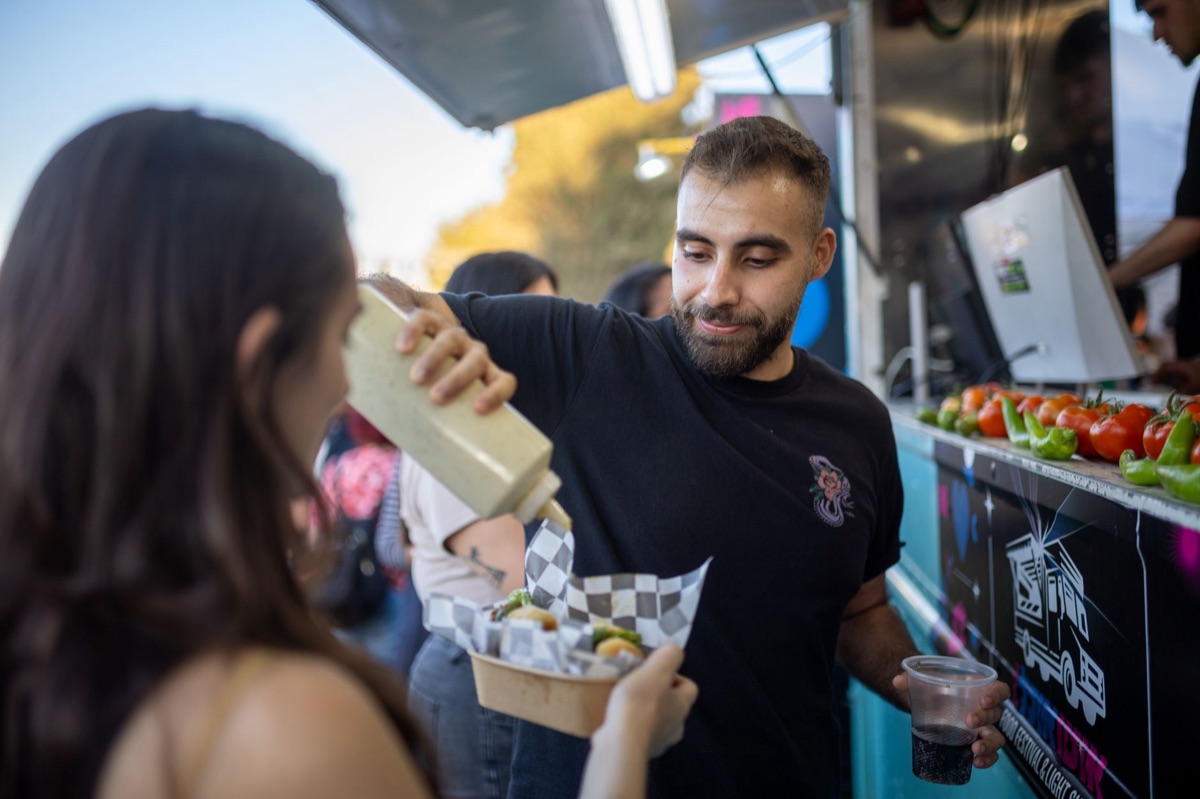
Beyond tacos: Pairing your journey with LA's vibe
The car hums along the Pacific Coast Highway as the sun begins to dip below the horizon, painting the sky in shades of pink and orange. You have a bag of warm tacos in the passenger seat, the perfect reward for a day of exploring.
A taco run is more than just a meal; it is an extension of the LA lifestyle. In this city, food is often paired with the geography of the coast or the ruggedness of the mountains.
A successful day might involve a morning surf session in Malibu followed by a drive to a hidden truck in the San Fernando Valley. In 2026, the mix of coastal leisure and urban grit remains the city's defining contrast.
This "road trip" mindset is essential for anyone exploring the greater LA basin. The transition from the urban density of Downtown to the coastal vibes of Santa Monica requires a mindset of movement.
The food you eat should complement the energy of your surroundings, whether it is a quick, spicy snack during a coastal drive or a heavy, satisfying meal after a long day of hiking in Griffith Park.
However, you need a plan to navigate the logistics of the street.
Survival guide: Dining in LA – Beyond the menu
You sit on a plastic stool at a folding table, checking your wallet before ordering the next round. The street is busy, and you keep a watchful eye on your belongings as you enjoy your meal.
Budgeting for street food is one of the greatest advantages of eating in LA. While a sit-down meal in a trendy restaurant can easily exceed $40 per person, a plate of three authentic tacos can often be found for $12 to $15.
This allows you to sample a wide variety of flavors without breaking the bank.
When it comes to payment, while many modern trucks now accept cards or mobile payments, you should always carry cash. Small-scale vendors often prefer it, and it is much easier to tip in paper bills.
To ensure you have the perfect experience, follow this checklist:
- Check the line: Prioritize trucks with a mix of local workers and residents.
- Verify the tortilla: Ensure they are fresh, warm, and smell of corn or flour.
- Test the salsa: Start with a small amount of the medium heat to gauge the freshness.
- less is more: Order three different types of meat to experience the full range of the chef's skill.
- Secure your belongings: Keep your bag on your lap or in a secure spot while you eat.
In terms of tipping, while there is no set rule for street food, leaving a few dollars in the tip jar or rounding up your total is a common way to show appreciation for the service.
Finally, maintain situational awareness. When dining in areas that are not primary tourist zones, stay aware of your surroundings. It is best to eat in well-lit areas and keep your valuables secure.
Following the crowds of locals is usually the best way to ensure you are in a safe and reputable environment.







Comments 0