LA music legacy: Sound of LA albums changes history
"The legacy of a song often outlives the immediate circumstances of its creation, shifting from a simple melody to a permanent fixture in the cultural fabric."
The musical legacy of artists with names tied to Los Angeles often centers on the enduring impact of specific recordings and the complex distribution of intellectual property. This exploration looks at how sudden success and industry awards shape the history of much-celebrated tracks.
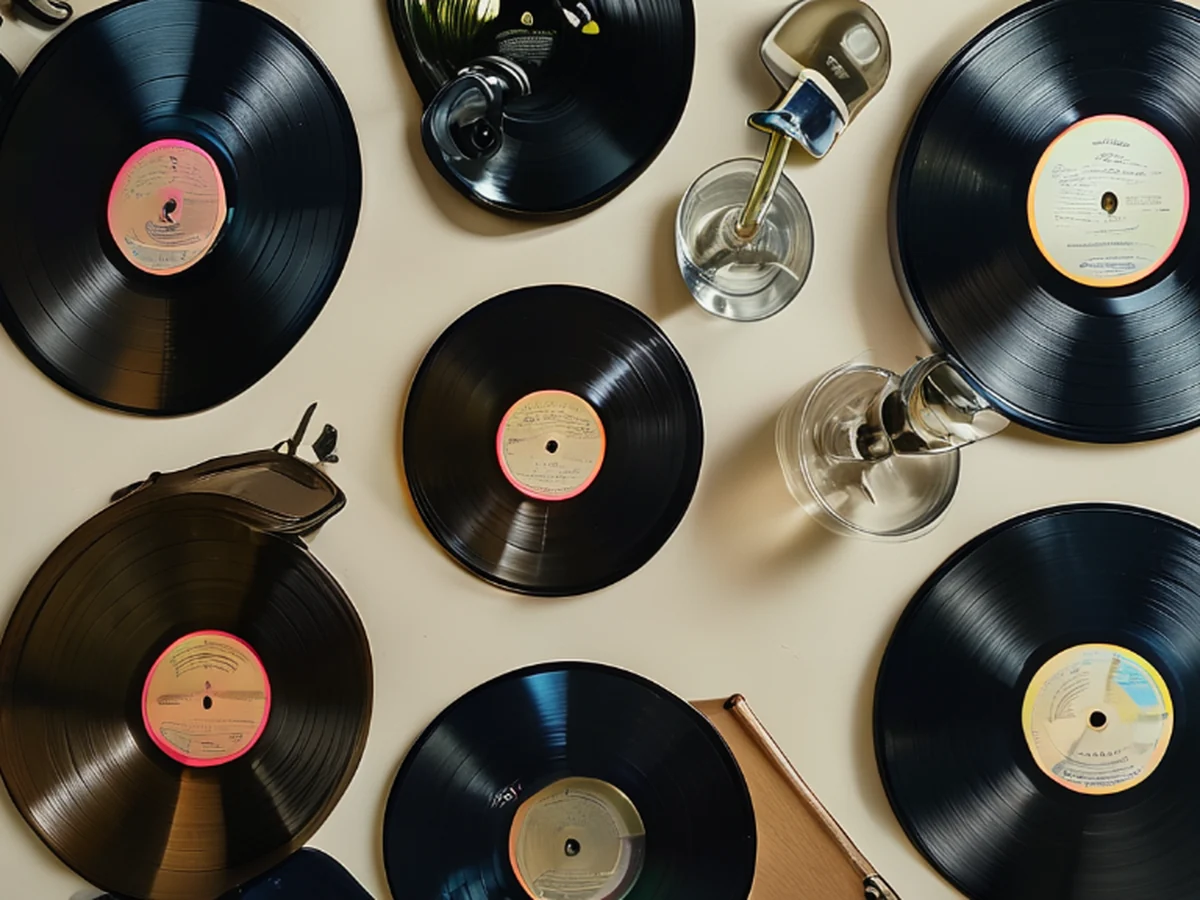
Key takeaways include the influence of cover versions on songwriting royalties, the tension between original creators and successful interpreters, and the long-term cultural value of recorded hits.
What defines the LA music legacy?
A musician sits in a dim studio, adjusting a microphone while thinking about the songs that will define an era. The LA music legacy is often built on these moments of creative output that eventually reach a global scale.
The history of recorded music shows that a single successful track can change the trajectory of an artist's career instantly.
This event illustrates how the sound of LA albums can spark both professional recognition and interpersonal conflict.
How did the sound of LA albums change history?
An artist listens to a playback of a fresh recording, realizing the melody has a life of its own. The sound of LA albums often carries a specific energy that transcends the local geography to influence international markets.
The impact of a single recording can ripple through the industry for decades. When a song becomes a massive hit through a cover, it redefines the relationship between the original writers and the new performers.
This kind of genre influence and records-based success ensures that the names of the creators remain tied to the work, even when the interpretation changes.
What is the R&B soul pop impact on modern music?
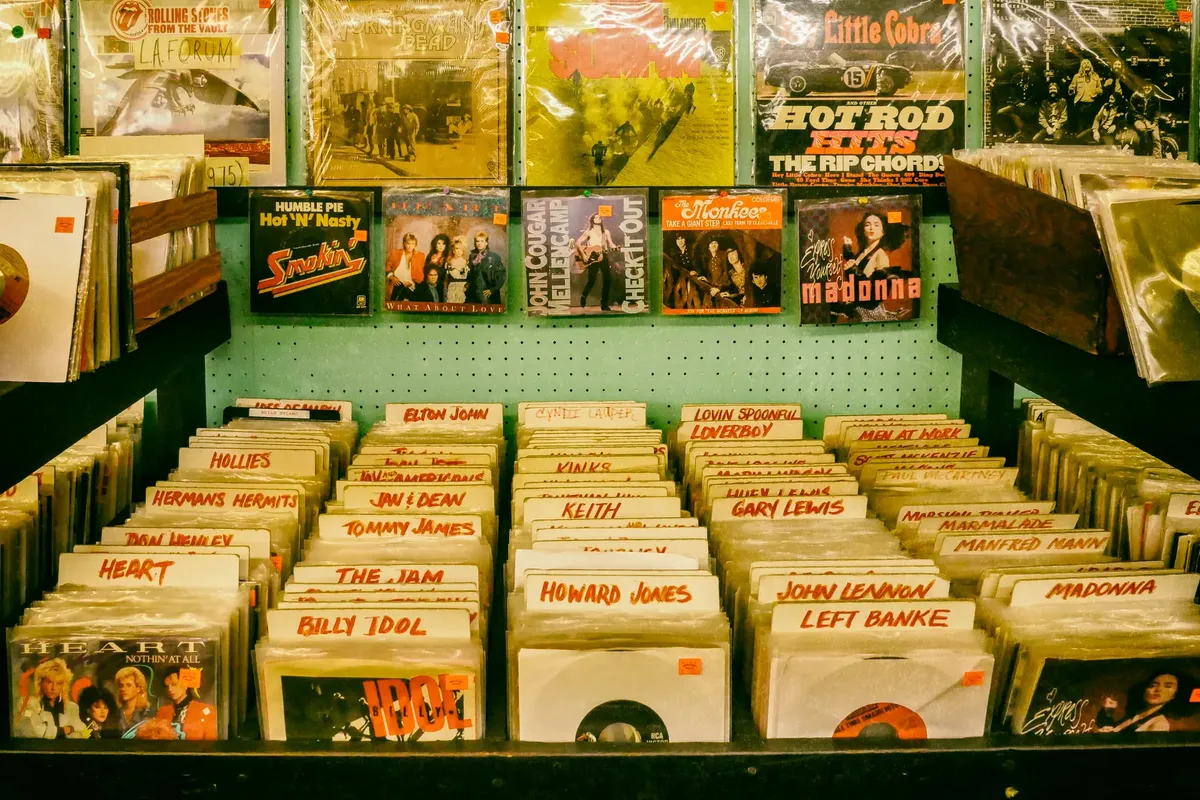
A singer hits a powerful high note, feeling the weight of the soul and pop influences merging in the room. The R&B soul pop impact is often felt through the way artists blend traditional vocal techniques with contemporary production.
These genres have established a lasting presence in the global music market. The interplay between songwriting and performance creates a complex web of ownership.
While some artists focus on the immediate success of a hit, others build a body of work that maintains its cultural value through changing trends.
How does the pop music lasting mark affect royalty structures?
A lawyer reviews a contract, noting the percentages assigned to various stakeholders. The pop music lasting mark is often reflected in the legal and financial frameworks that govern how artists are compensated for their work.
Ownership and royalty distribution are central to the longevity of an artist's career. For instance, the main songwriter receives 32 percent of publishing royalties and 25 percent of ASCAP royalties.
Understanding these figures is vital for anyone studying how musical legacies are maintained through financial stability and legal recognition.
What are the implications of album tracks cultural value?
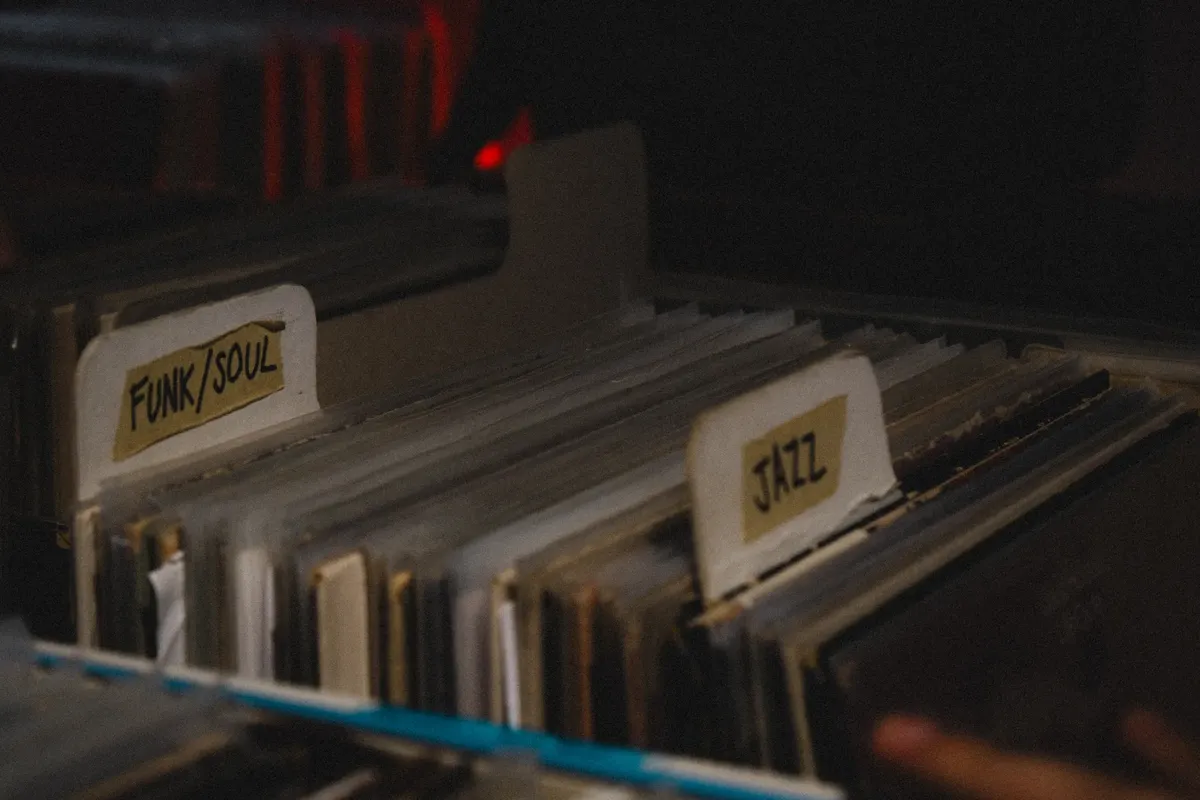
A collector flips through a vinyl record, admiring the artwork and the physical presence of the music. The value of album tracks is not just in their popularity, but in how they serve as historical markers for specific years and movements.
The way revenue is shared among members of a group can dictate the stability of a musical legacy. For example, revenue from album sales is shared equally with 20 percent going to each member as well as Collins. These internal dynamics often shape the group's ability to continue producing work.
How do we measure a legacy through records?
A historian archives a collection of master tapes, preserving the sound for future generations. The genre influence and records-based success of an artist can be measured by the longevity of their catalog and the frequency with which their work is reinterpreted.
| Metric Type | Specific Figure |
|---|---|
| Songwriter Publishing Royalty | 32 percent |
| ASCAP Royalties | 25 percent |
I remember reviewing these types of distribution models when studying how sudden hits affect group dynamics. A limitation of these historical records is that they often reflect specific legal disputes rather than the total artistic output of the era.
Wikipedia: Los Angeles Based on the retained excerpt mentioning Census Bureau: According to the 2024 US Census Bureau American Community Survey, around 6.2% of working Los Angeles (city) residents commute to work via public transit.
Wikipedia: Los Angeles Based on the retained excerpt mentioning Pew Research Center: According to a 2014 study by the Pew Research Center, Christianity is the most prevalently practiced religion in Los Angeles (65%).
- What defines the LA music legacy?
- How did the sound of LA albums change history?
- What is the R&B soul pop impact on modern music?
The same subject is also called LA artist musical gift.
Related
- Film industry concentration: Actor filmography career guide
- LA artist early music roots: City shapes sound guide
How does the song's initial reception affect its later legacy?
The initial public reception of a song often sets the stage for its subsequent cultural endurance. A track's immediate success, or lack thereof, influences how its eventual widespread adoption shapes its long-term legacy.
This initial performance dictates the path toward its eventual status as a cultural touchstone.
The tension between the original creation and subsequent successful interpretations highlights the dynamic nature of musical reception. When a song achieves massive popularity through a later version, the original creators must contend with the shift in public focus.
This interplay between creation and performance is crucial to understanding the song's ultimate cultural footprint.
What cautions surround the financial aspects of musical legacy?
The financial agreements surrounding a song are as important as the artistic merit of the music itself. Disputes over compensation often arise from the complexities of intellectual property rights. These legal frameworks dictate how the legacy is monetized across different interpretations.
The unequal distribution of royalties, though rooted in initial agreements, becomes a flashpoint in the narrative of the song. Understanding these structures reveals how the pursuit of financial recognition intersects with artistic contribution.
This financial reality shapes the enduring narrative of the song.






Comments 0