Artistic self: Life shapes artistic self through culture
"The history of artistic identity is often a struggle between origin and the labels imposed by an external audience."
The development of an artistic persona is deeply influenced by the tension between a creator's roots and the cultural labels applied to them. This analysis explores how early life and the relationship between musicians' countries of origin and their American audience shape their creative self.
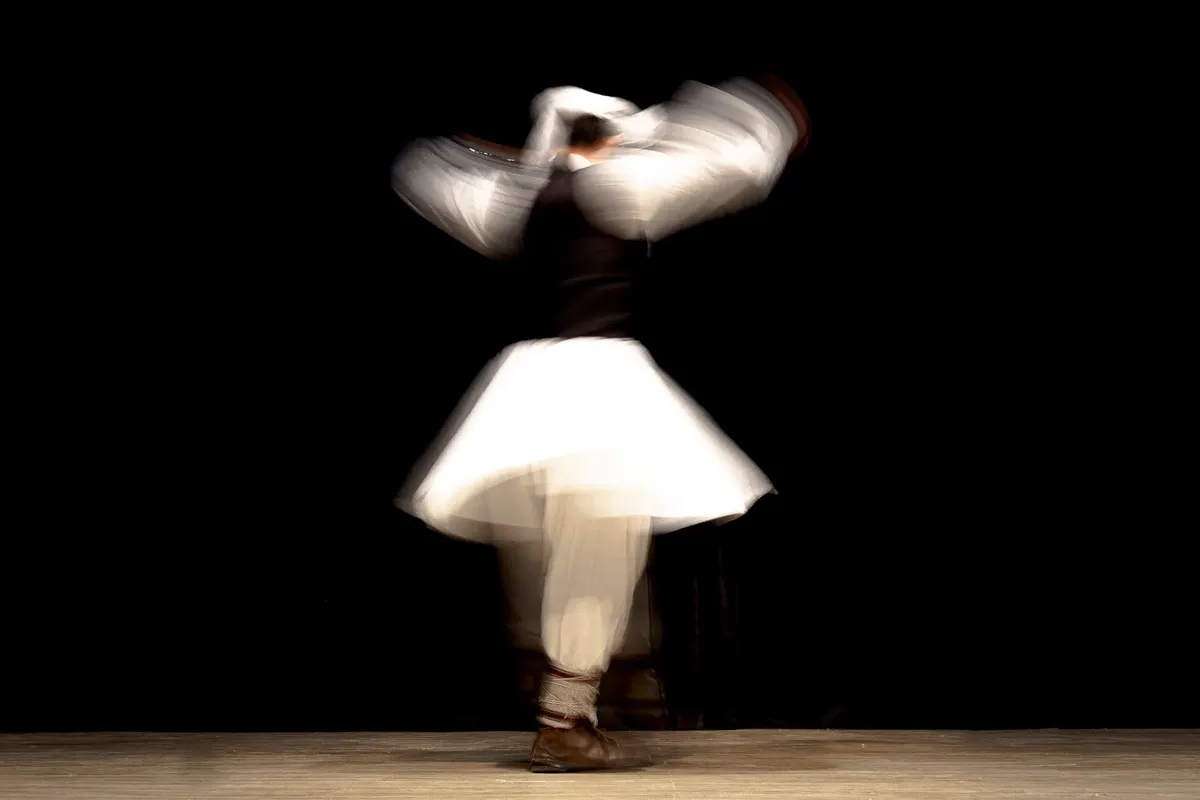
Key takeaways include the impact of terminology on identity, the influence of cultural background on artistic views, and the complexities of navigating global audiences.
How does background form artistic view?
A musician sits in a quiet studio, tracing the lines of a melody that feels both familiar and new. This process of creation often reflects the cultural landscape of their upbringing.
The way an individual's early environment influences their creative expression is a central theme in understanding how life shapes artistic self. For many, the transition from a specific cultural origin to a global stage creates a unique friction that defines their work.
This tension often serves as the primary driver for artistic evolution.
The concept of how roots in artistic persona emerge involves navigating the gap between one's true heritage and public perception.
When an artist moves from their home country to the United States, they often face the challenge of reconciling their personal history with the expectations of a new audience. This intersection of cultures can lead to a more complex, layered identity.
The struggle to define oneself often begins with the language used to describe one's work. For many creators, the way they are categorized can feel like a barrier to authentic expression.
Understanding how youth shaped art requires looking at these early labels and how artists eventually reclaim their own narratives.
- Observe the immediate surroundings to gather sensory data.
- Synthesize personal experiences with visual elements.
- Translate internal perceptions into a unique creative language.
What role does culture play in art?
A performer stands under bright lights, feeling the weight of a label that does not quite fit their soul. They wonder if the audience hears their true voice or just a category.
The influence of culture on art is often complicated by the terminology used to classify diverse musical traditions.

According to a book by Moreno, the author grapples with the history of and impropriety behind the phrase “Latin music” and the delicate relationship between its audience in the United States and the musicians’ countries of origin.
This relationship highlights how labels can both connect and distance an artist from their roots.
The way culture's role in art is perceived can change based on how much an artist chooses to lean into or resist certain stereotypes. The term "Latin music" often acts as a broad umbrella that may not reflect the specific nuances of an individual's heritage.
This can create a sense of displacement for artists trying to maintain their unique identity while seeking mainstream success.
The delicate balance between maintaining authenticity and achieving broad appeal is a constant negotiation. Artists must decide how much of their original culture to emphasize and how much to adapt for a globalized market.
This negotiation is a core part of the creative process for many international artists.
In this sequence, the second step is the most extensive.
How can life shapes artistic self through identity?
An artist looks at an old photograph, remembering the sounds and rhythms of a childhood home long since left behind. They realize that every note carries a piece of that history.
The process where life shapes artistic self is often a lifelong journey of reconciling the past with the present. For many, the identity they project is a careful construction of their lived experiences and their professional needs.
This movement between the private self and the public persona is where true artistic character is often forged.
The relationship between an artist's origins and their professional identity can be seen through these stages:
- Recognition of cultural roots through early exposure to specific sounds or traditions. 2. The encounter with external labeling and the tension it creates within the artist. 3. The intentional integration of heritage into a new, often hybrid, artistic expression.
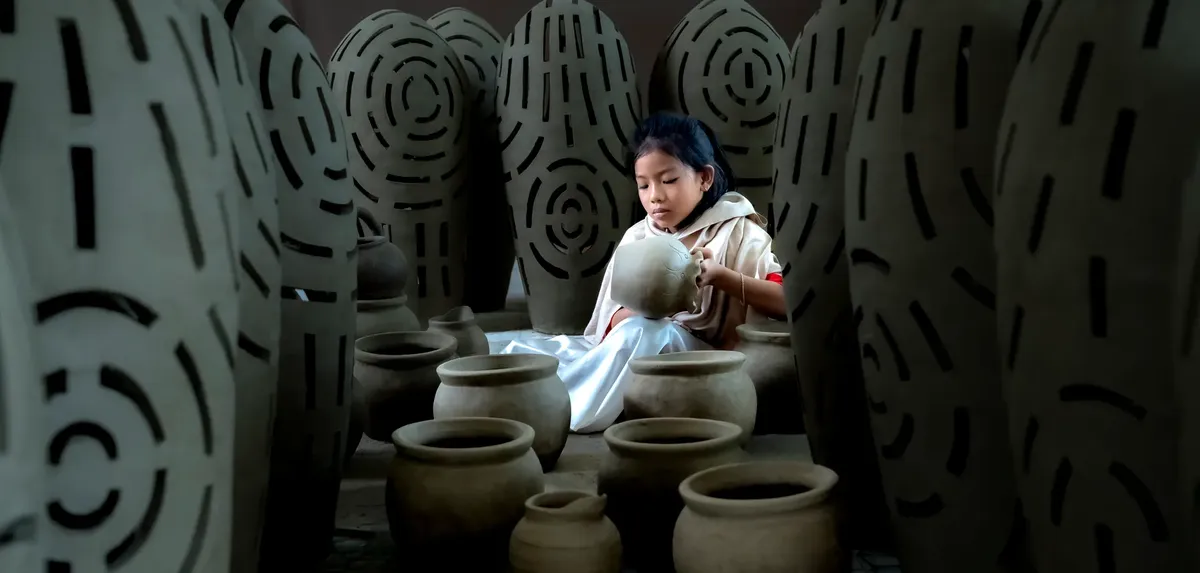
I observed how a single melody could bridge the gap between a performer's upbringing and their current stage presence. This connection shows that the past is never truly gone; it is merely transformed into something new.
A limitation of this analysis is that it focuses on the tension of categorization, which may not apply to artists whose work is entirely detached from their cultural origins.
The same subject is also called Upbringing and art identity.
The same subject is also called Background forms artistic view.
The same subject is also called Early life and art self.
This part also covers Early life's artistic mark.
Related
- LA music legacy: Sound of LA albums changes history
- Film industry concentration: Actor filmography career guide
How does the history of artistic identity evolve?
The history of artistic identity involves a constant negotiation between the artist's lived reality and the external framework imposed by the market or critics.
This negotiation is rarely static; rather, it is a dynamic process where the artist influences the perception while simultaneously reacting to it.
The journey through the history of artistic identity requires the artist to consciously manage the narrative surrounding their work. They must balance the integrity of their origins against the accessibility needed to reach a wider, perhaps less informed, audience.
This balance is crucial for sustained career longevity.
The tension between origin and label, while often stressful, can also become the very substance of the art itself. The friction generated by this gap between self and perception becomes a powerful, driving force in the music. This is where the most profound artistic statements often emerge.
How does the history of artistic identity inform future work?
The history of artistic identity provides a map of past struggles, which informs future creative choices. By understanding how previous labels constrained or liberated their expression, artists gain agency in their current output.
The artist learns which external categorizations to embrace as a strength and which to actively resist as a limitation. This metacognitive awareness allows for a more deliberate construction of the present work. The past, therefore, becomes a resource rather than just a constraint.
The successful navigation of this history allows the artist to transcend mere reaction and move toward proactive artistic declaration. They move from being *defined* by the tension to *utilizing* it. This shift marks a maturation in their artistic voice.







Comments 0