80% Congestion: Planning Your Perfect Hollywood Visit
"You came looking for the glitz of a movie set, but you found a sprawling, living metropolis that doesn't stop for your camera lens."
If you head to Hollywood expecting a manicured movie set, you might find yourself overwhelmed by the grit, the traffic, and the sheer scale of the city.
To make the most of your visit, you need to understand that Hollywood is a historic district within a massive urban sprawl, not a standalone theme park.
* Avoid the "Walk of Fame" Trap: Don't spend your whole day on the sidewalk; use it as a transit point to more scenic landmarks. * Master the Timing: Visit high-altitude spots like Griffith Observatory early to beat the 80% congestion levels common during peak hours. * Context is Everything: Understand that the historic film industry density has shifted, making local navigation skills more important than ever.
Why is Hollywood Different Than You Think?
The sun hits the pavement at 10:00 AM, reflecting off a sea of windshields as you realize the "Hollywood" you saw in movies is just one small corner of a much larger reality. You look at your map and realize the city limits extend far beyond the neon signs.
According to the World Tourism Organisation, arrivals of tourists from abroad, excluding same-day visits, numbered about 25.2 million in 1950.
The historical significance of the area is profound, as more than 80 percent of the world's film industry was concentrated in L.A. by 1921.
The gap between the Golden Age of cinema and the modern reality of Los Angeles is wide. While travelers often arrive looking for the magic of 1920s glamour, they are actually stepping into a massive, complex urban ecosystem.
By 1921, more than 80 percent of the world's film industry was concentrated in L.A., creating a legacy that still defines the area's identity, even as the industry has moved to different studios and outskirts.
This historical weight makes the area feel different from any other city. It isn't just a neighborhood; it is a symbol. However, the scale of the surrounding area can be disorienting.
Los Angeles County is the most populous county in the United States, with an estimated 9.86 million residents as of 2022, which makes the Hollywood district feel like a small, dense island in a vast sea of sprawl.
The cultural ecosystem is a blend of that deep film history and a gritty, modern reality. Visitors often struggle to reconcile the legendary status of the names on the sidewalks with the bustling, sometimes chaotic, local life happening right next to them.
How do I see the real landmarks? You stand on a street corner, squinting against the glare, looking for a specific star while dodging a crowd of people all trying to take the exact same photo. It feels like everyone is looking for something that might not be right where they think it is.
According to World Bank, the United States recorded international tourist arrivals of 45,037,000 in 2020.
The Hollywood Walk of Fame is often the first stop, but it requires a strategy. Instead of wandering aimlessly, identify specific stars or landmarks beforehand. It is best treated as a walking tour of history rather than a destination where you spend hours.
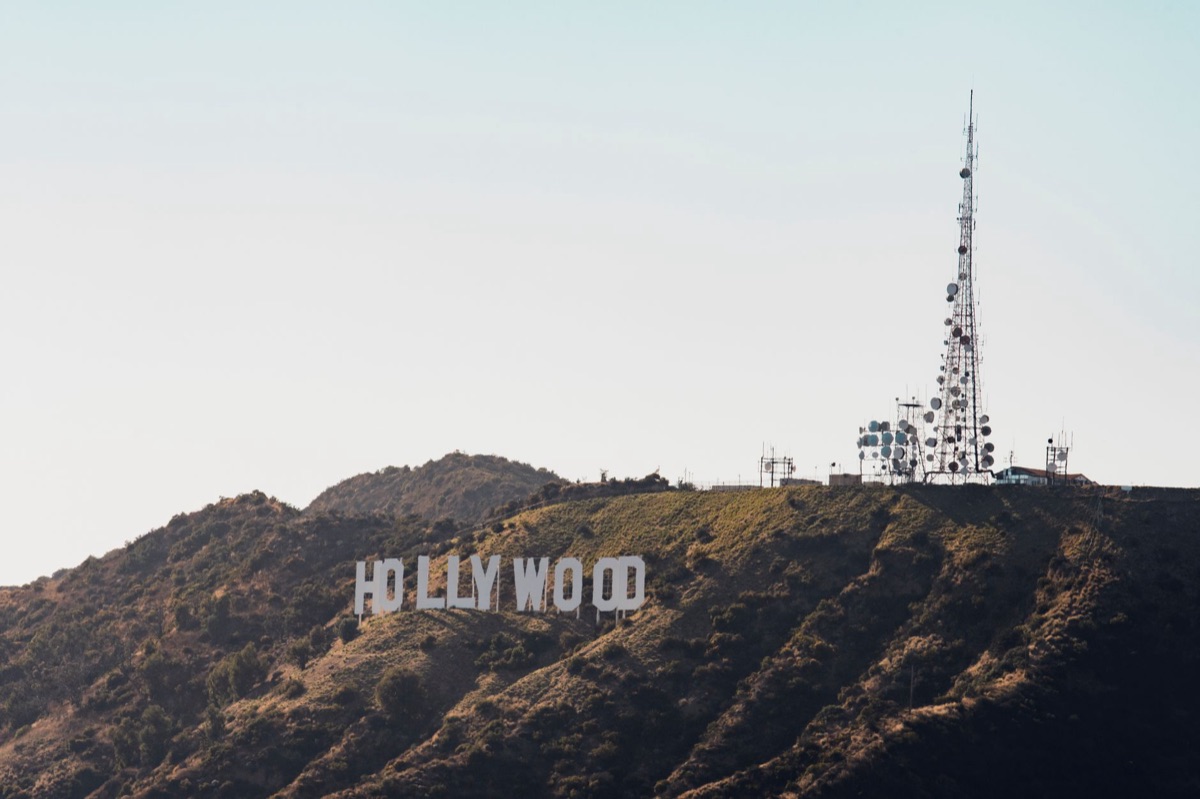
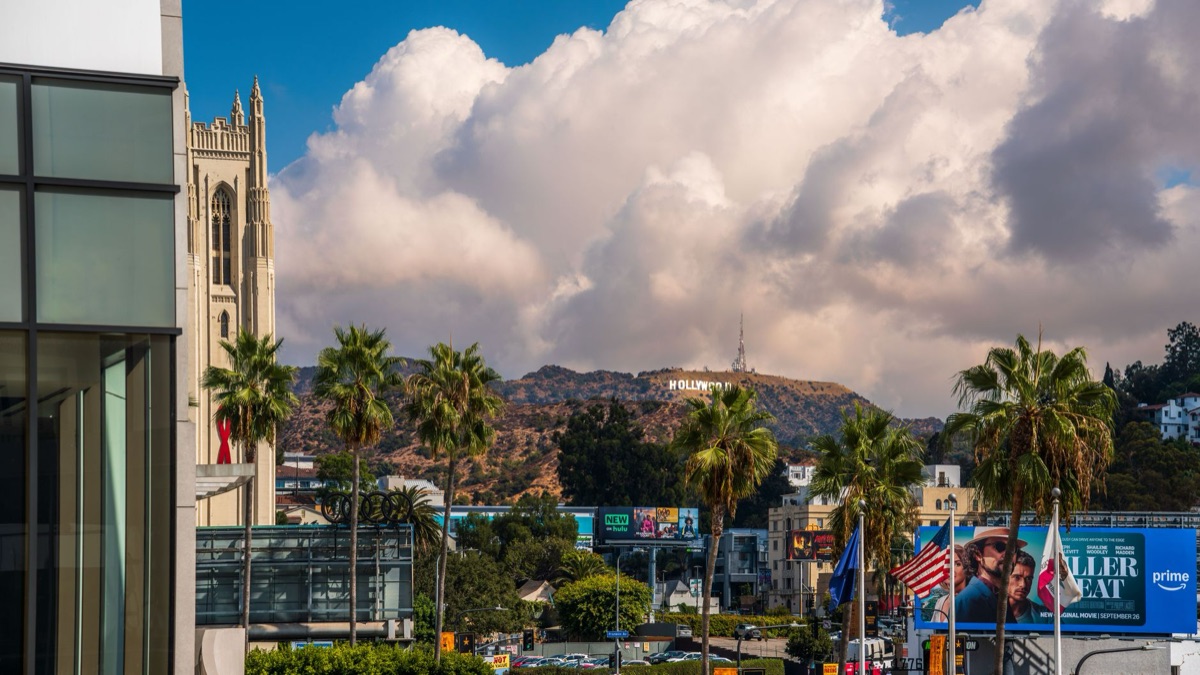
For those looking for the Hollywood Sign, remember that the sign itself is not a place you "enter." It is a backdrop. For the best views, head toward Lake Hollywood Park or hike the trails in Griffith Park.
If you want to get closer, you often need to navigate specific park access points or understand that certain viewpoints require significant walking.
Griffith Observatory provides a perfect counterpoint to the Hollywood Sign. While the sign is a symbol of the industry, the Observatory offers a literal view of the city's layout.
It is often easier to manage the crowds by visiting the Observatory in the late afternoon to catch the sunset, though you must account for the winding roads and limited parking.
What is the reality of driving and safety in LA? You sit in your rental car, looking at a digital clock that shows you have been idling in the same spot for twenty minutes, wondering how a city this large can feel so stuck. The heat from the dashboard makes you realize that navigating this city is a full-time job.
The World Tourism Organisation (WTO, 1998) recorded that, in 1950, arrivals of tourists from abroad, excluding same-day visits, numbered about 25.2 million.
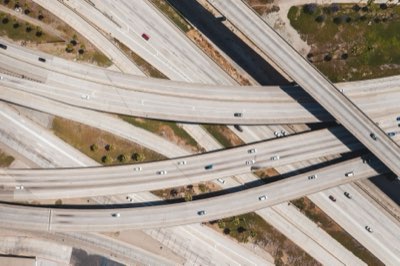
Logistics in LA are often the biggest hurdle for travelers. The city's perimeter is 342 miles, meaning distances are deceptive. What looks close on a map can take an hour to traverse. LA drivers spend an additional 92 hours in traffic each year, a reality that can quickly ruin a tight itinerary.
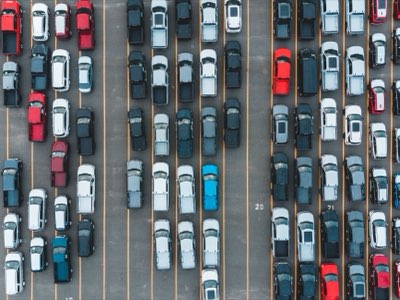
Parking near Hollywood landmarks can be expensive and difficult. Always budget extra for garage fees or look for remote parking lots if you are driving into high-density areas. During peak rush hour, there is 80% congestion, which can turn a simple trip to a landmark into a logistical nightmare.
Safety is another layer of the reality check. While tourist zones like the Walk of Fame are heavily patrolled, they are still high-traffic urban areas. It is important to stay aware of your surroundings, keep your belongings secure, and understand that different neighborhoods have different vibes.
The transition from a high-traffic tourist zone to a quiet residential area can happen in a single block, so staying alert is key.
Maximizing Your Day: Beyond the Main Attraction
You finish a quick taco from a street vendor, the spice lingering as you look toward the hills, realizing you have much more to see than just the landmarks on your list. You decide to pivot your plans to include the coast, realizing the city is much bigger than this one neighborhood.
To maximize your time, don't treat Hollywood as an isolated trip. Pair a morning visit to the Hollywood landmarks with an afternoon in Beverly Hills or a trip toward the coast in Santa Monica. This prevents you from feeling "trapped" in one high-density area all day.
Timing is your best friend. Aim to hit the most popular landmarks in the early morning to avoid the heaviest crowds and the worst of the midday heat. If you visit during the afternoon, plan for significant travel time between locations.
Transitioning from a tourist to a local-style traveler means looking for authentic food experiences. Instead of sitting in a chain restaurant, look for local food trucks or small family-owned spots in nearby neighborhoods.
This allows you to experience the actual culture of LA—a mix of global flavors and fast-paced living—rather than just the movie-set version.
| Activity Type | Typical Duration | Best Time to Visit | Local Tip |
|---|---|---|---|
| Walk of Fame | 1-2 Hours | Late Morning | Use as a walking transition |
| Griffith Observatory | 2-3 Hours | Sunset/Late Afternoon | Watch for heavy traffic |
| Hollywood Sign Hike | 2-3 Hours | Early Morning | Wear sturdy shoes |
How to Plan Your Perfect Hollywood Itinerary
You sit at a small café table, a notebook open in front of you, sketching out a timeline to ensure you don't spend your entire vacation stuck in a car. You realize that a successful trip requires a logical flow from one district to the next.
As recorded by the WTO, the United States recorded international tourist arrivals of 45,037,000 in 2020.
When I first visited, I spent four hours looking for parking near the Chinese Theatre, only to realize I had wasted half my daylight. Now, I use a much more structured approach to avoid that mistake.
Follow these steps to organize your exploration:
- Identify Your Anchor Points: Pick two major landmarks (like the Walk of Fame and Griffith Observatory) to serve as your primary goals for the day.
- Calculate Travel Buffers: Always add 45 minutes of travel time to any cross-town trip to account for unpredictable traffic.
- Check Park Hours and Access: Before heading to Griffith Park, verify which trailheads are open to avoid dead-end hikes.
- Sequence by Altitude: Start at high-elevation spots in the early morning and work your way down to the city streets as the day progresses.
- Budget for Parking: Set aside approximately $20 to $40 per day specifically for garage fees to avoid last-minute stress.



Comments 0