Southern CA Drive: 7 AM Starts Beat City Congestion
"The horizon isn't a line; it's an invitation to leave everything behind."
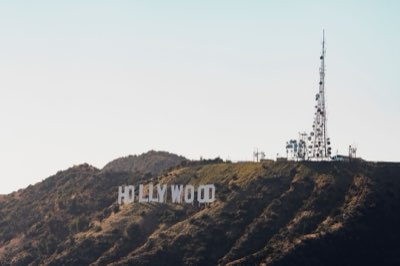
If you find yourself staring out at the hazy skyline of Los Angeles in late 2025, wondering where the concrete ends and the world begins, this is your exit strategy.
This guide maps out how to navigate the vastness of Southern California, moving from the searing heat of the desert to the cool, pine-scented peaks of the mountains.
Key Takeaways * Master the transition between the sprawling LA basin and the high-altitude environments of Palm Springs and Big Bear. * Understand that vehicle preparation is non-negotiable when moving between desert heat and mountain inclines.
* Timing your departure from the city is the difference between a scenic cruise and a traffic nightmare. * Balance the vastness of Los Angeles County with the solitude of the wilderness.
Why Drive Beyond LA? Escaping the Urban Grind
At dawn, the heavy hum of city traffic vibrates through the steering wheel as the morning light hits the windshield.
The sun hits the dashboard of a rental car at 7:00 AM on a Tuesday in 2026, and the sheer scale of the city begins to settle in. You look at the GPS and realize that even moving between neighborhoods can feel like a cross-country trek.
Navigating Los Angeles is often an exercise in patience. With an estimated 9.86 million residents in Los Angeles County, the sheer volume of people and vehicles creates a constant hum of motion.
The scale is massive; for context, the city itself extends 44 miles north to south and 29 miles east to west. When you live in a place this large, the "urban grind" isn't just a feeling—it is a logistical reality.
Driving is the lifeblood of Southern California. It is not just about getting from point A to point B; it is about the freedom to leave the congestion behind. To make these trips successful, you have to leave the city early.
If you are heading toward the desert or the mountains, aim to be out of the metropolitan core before the morning rush hits its peak. Mastering the freeway is the first step to mastering the road trip. But once you leave the freeway, the real challenge begins.
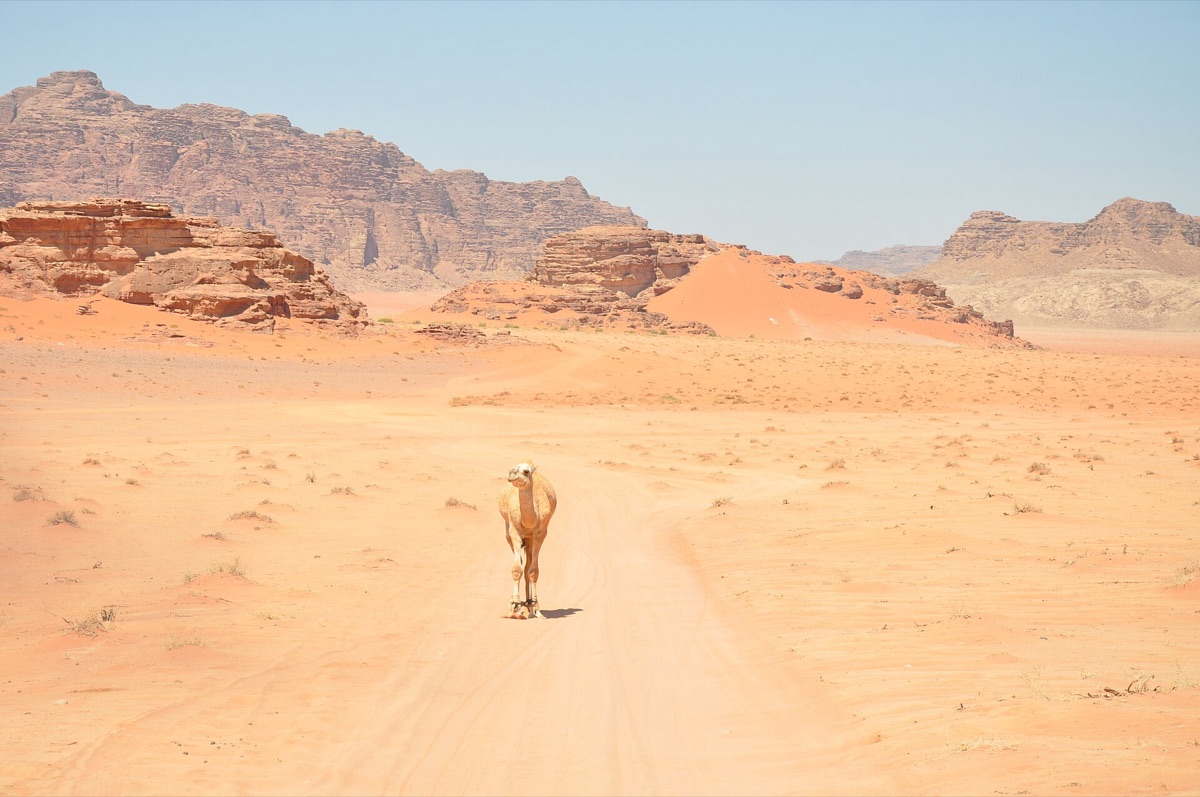
Is the Palm Springs detour worth it? The air changes almost instantly as you leave the suburban sprawl and hit the desert highways. The temperature climbs toward 105 degrees, the greenery fades into sage and yucca, and the horizon opens up into a vast, shimmering expanse.
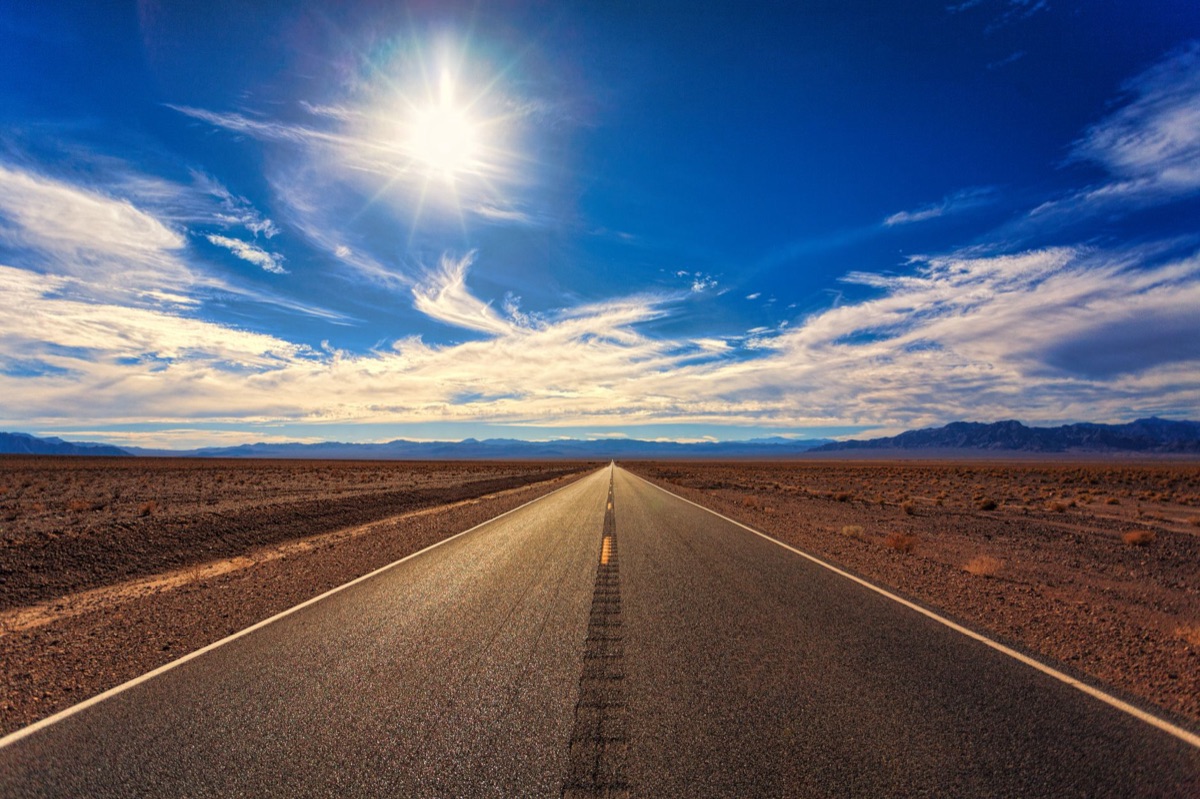
Driving toward Palm Springs is a study in heat and light. As you move away from the coastal influence, the environment shifts toward a high-desert climate. The roads are often long, straight, and unforgivingly bright.
You will notice the transition from the dense urban layout to the wide-open vistas of the Coachella Valley.
When driving in this environment, keep an eye on your vehicle's cooling system. The desert heat is a different beast than the heat of a paved parking lot. A great way to break up the drive is to look for local roadside stops that offer authentic desert flavors.
If you find yourself near the outskirts of the valley, look for specialized desert eateries that focus on fresh, local ingredients. The shift in air quality and temperature is palpable; it is a dry, sharp heat that demands hydration and a reliable AC unit. However, the heat is only half the story.
Can I handle the Big Bear ascent? The engine groans slightly as the car begins to climb the winding paths of the San Bernardino National Forest, and the temperature suddenly drops by 20 degrees. The desert heat is replaced by a crisp, pine-scented breeze that rolls through the open windows.
Heading toward Big Bear is the complete opposite of the Palm Springs run. Instead of flat expanses, you are navigating winding roads and significant elevation changes. The topography of Southern California is diverse, featuring everything from low-lying basins to high peaks.
For example, San Gorgonio Mountain stands as one of the highest points in the region, reaching an elevation of 11,503 feet.
Driving in the mountains requires a different mindset. You are no longer cruising on wide freeways; you are managing inclines, tight turns, and varying road surfaces. The ascent requires steady braking and careful throttle control. Once you reach the top, the reward is a complete sensory shift.
The rugged beauty of the mountains offers a sense of isolation that is impossible to find within the city limits. Whether you are hiking or simply soaking in the view, the mountain air provides a necessary reset. But how do you manage the logistics of such a drastic change?
Road Trip Logistics: Making the Drive Seamless
You sit at a gas station in the middle of nowhere in 2026, looking at the fuel gauge and wondering if you can make it to the next town. The vastness of the landscape makes every logistical decision feel much heavier.
To ensure your trip doesn't end on the side of a highway, you must prioritize vehicle readiness. Before heading into the desert or the mountains, check your tire pressure and fluid levels. High-altitude driving and high-temperature driving put unique stresses on a car.
| Feature | Desert Driving (Palm Springs) | Mountain Driving (Big Bear) |
|---|---|---|
| Primary Concern | Engine Overheating & AC | Brake Wear & Traction |
| Road Type | Long, Straight Freeways | Winding, Inclined Roads |
| Terrain | Flat, High-Heat Basin | Steep, High-Altitude Peaks |
| Fuel Strategy | Fill up before entering desert | Monitor levels during climbs |
Essential Preparation Checklist:
- Check Tire Pressure: Temperature changes affect tire pressure significantly. A 10-degree shift can change your PSI.
- Fluid Inspection: Ensure coolant levels are topped off for the desert.
- Navigation Check: Download offline maps; cell service can be spotty in mountain passes.
- Emergency Kit: Always carry extra water and a physical map.
- Fuel Management: Never let your tank drop below half when entering remote areas.
When planning your route, decide if you are looking for a day trip or a weekend. A single day is possible for these destinations, but it requires an early start to maximize your time at the destination. If you are using a rental car, ensure it has the power necessary for mountain climbs.
Beyond the Drive: Why Southern CA is a Year-Round Destination
The sun sets behind the mountains, casting long, golden shadows across the road. You realize that the journey was just as much a part of the vacation as the destination itself. According to World Bank data, the United States recorded international tourist arrivals of 45,037,000 in 2020.
The beauty of these drives is that they offer a complete escape within a few hours of the city. Southern California is not just one single environment; it is a collection of microclimates and landscapes.
You can experience the scorching beauty of the desert in the morning and the cool relief of the mountains in the afternoon.
This diversity is why people keep comingly back. Whether it is the vastness of the desert or the ruggedness of the peaks, these landscapes provide a sense of scale that puts the chaos of the city into perspective.
The "Golden Drive" is about finding that balance between the urban energy of Los Angeles and the timelessness of the natural world.
#





Comments 0