Michelin LA hidden gems: 44 miles north to south guide
Finding the right dining experience in a massive metropolis can feel like navigating an endless maze of streets.
To find the best food in Los Angeles, travelers must balance destination popularity with local transit realities and geographic scale. This guide explores how to navigate the city's sprawling landscape to reach top-tier culinary spots while managing the unique challenges of urban life.
* Understand the scale of the Los Angeles metropolitan area. * Plan for significant travel times between dining districts. s
How do you navigate the vastness of Los Angeles for dining?
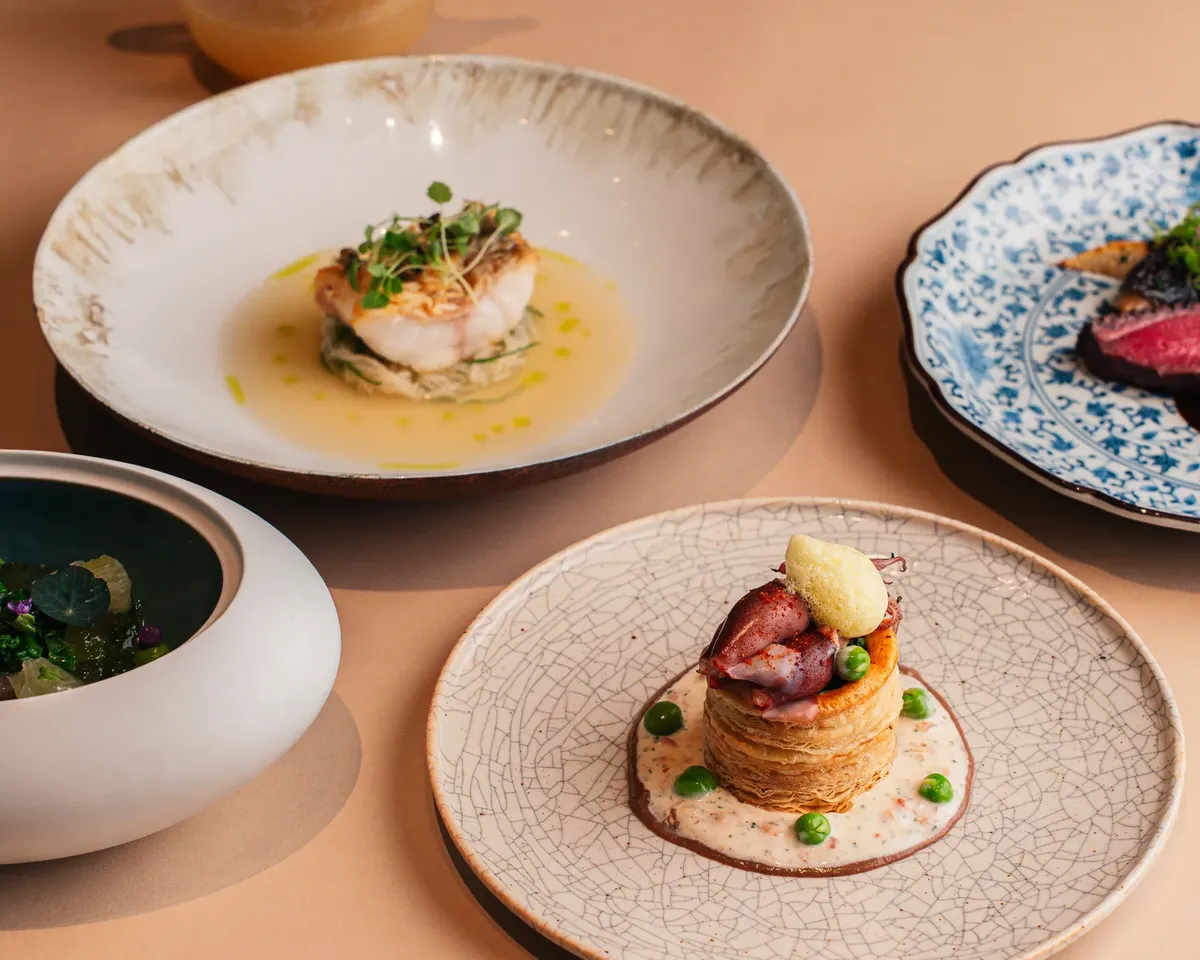
I grip the hot steering wheel while squinting at the sunset, mapping out a route to find a hidden michelin gem across the sprawling city.
A driver grips the steering wheel, staring at a sea of brake lights stretching toward the horizon. Because the city extends for 44 miles from north to south and for 29 miles from east to west, traveling between different culinary hubs requires significant planning.
The sheer size of the city means that a restaurant in one district might be an hour away from another. For example, the city covers a total area of 502.7 square miles, comprising 468.7 square miles of land and 34.0 square miles of water.
This vastness makes it difficult to visit multiple locations in a single afternoon.
Effective travel planning is key to enjoying Michelin LA hidden gems without spending the entire day in a vehicle. You must group your dining stops by neighborhood to avoid the exhaustion of long-distance transit.
- Identify the general region you wish to explore.
- Group potential restaurants by neighborhood to minimize travel.
- Check the distance between locations before finalizing your route.
Why is it so hard to get to local food? Michelin LA hidden gems A commuter checks their watch as the clock ticks toward the evening rush hour. Navigating the city often involves dealing with heavy congestion on major thoroughfares.
The Texas Transportation Institute's annual Urban Mobility Report ranked Los Angeles area roads the most congested in the United States in 2019, as measured by annual delay per traveler, area residents experiencing a cumulative average of 119 hours waiting in traffic that year.
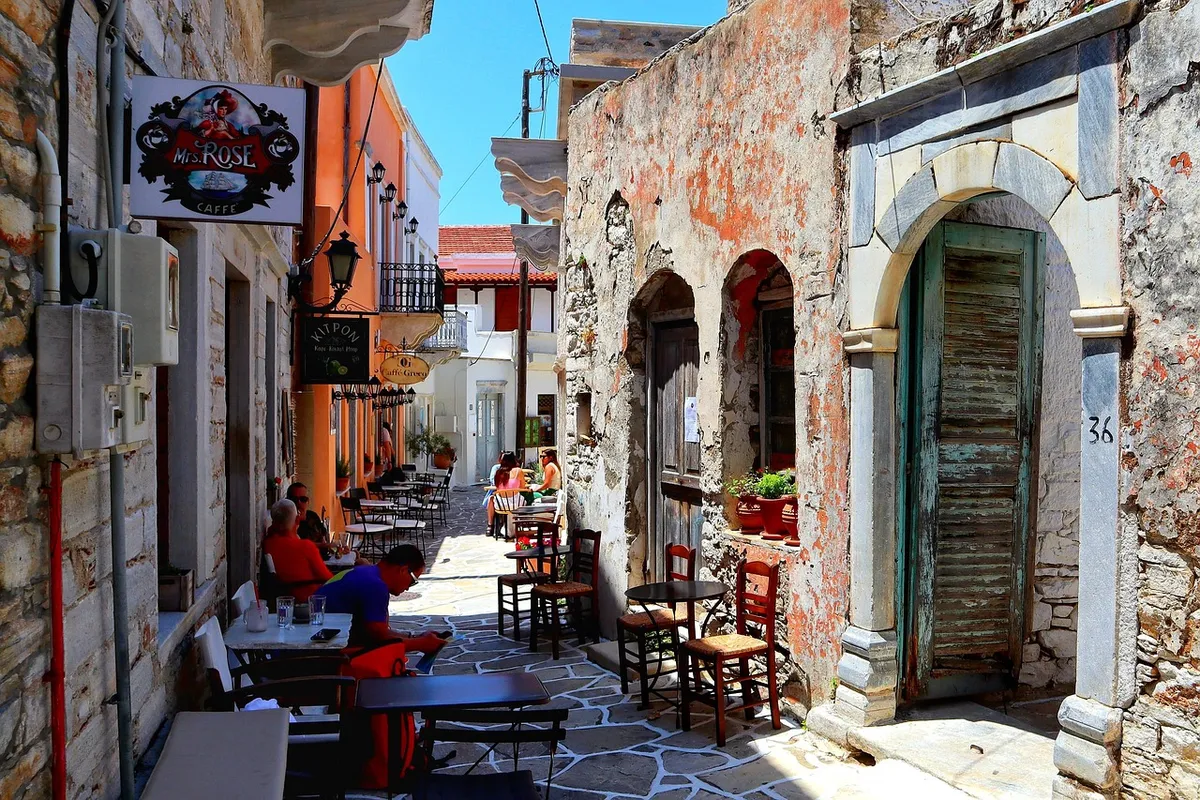
These delays can significantly impact a scheduled dinner reservation. Because of these delays, LA drivers spend an additional 92 hours in traffic each year.
To find the best LA spots locals love, you should avoid traveling during peak congestion periods. Planning meals around the flow of the city helps ensure you arrive at your table on time.
In this sequence, the second step is the most time-consuming.
How do you choose between different dining districts?
A diner looks at a map, tracing a finger from the coast toward the inland valleys. In Los Angeles, the skyline and density change drastically depending on which neighborhood you visit.
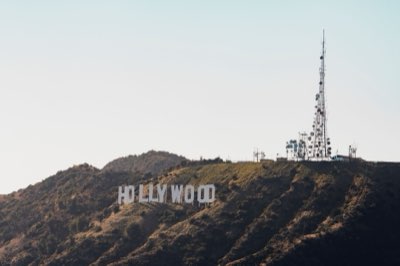
High-rise buildings are not common in Los Angeles outside of a few centers such as downtown, Warner Center, Centurycity, Koreatown, Miracle Mile, Hollywood, and Westwood. Because these centers host the highest concentration of dining, they are the primary targets for food enthusiasts.
When searching for local picks LA fine dining, it is helpful to focus on these specific hubs. This strategy minimizes the time spent on the road and maximizes the variety of flavors available.
What's the best way to get to the restaurant? A passenger looks out the window of a moving train as the city passes by. While many rely on cars, there are other ways to move through the urban landscape.
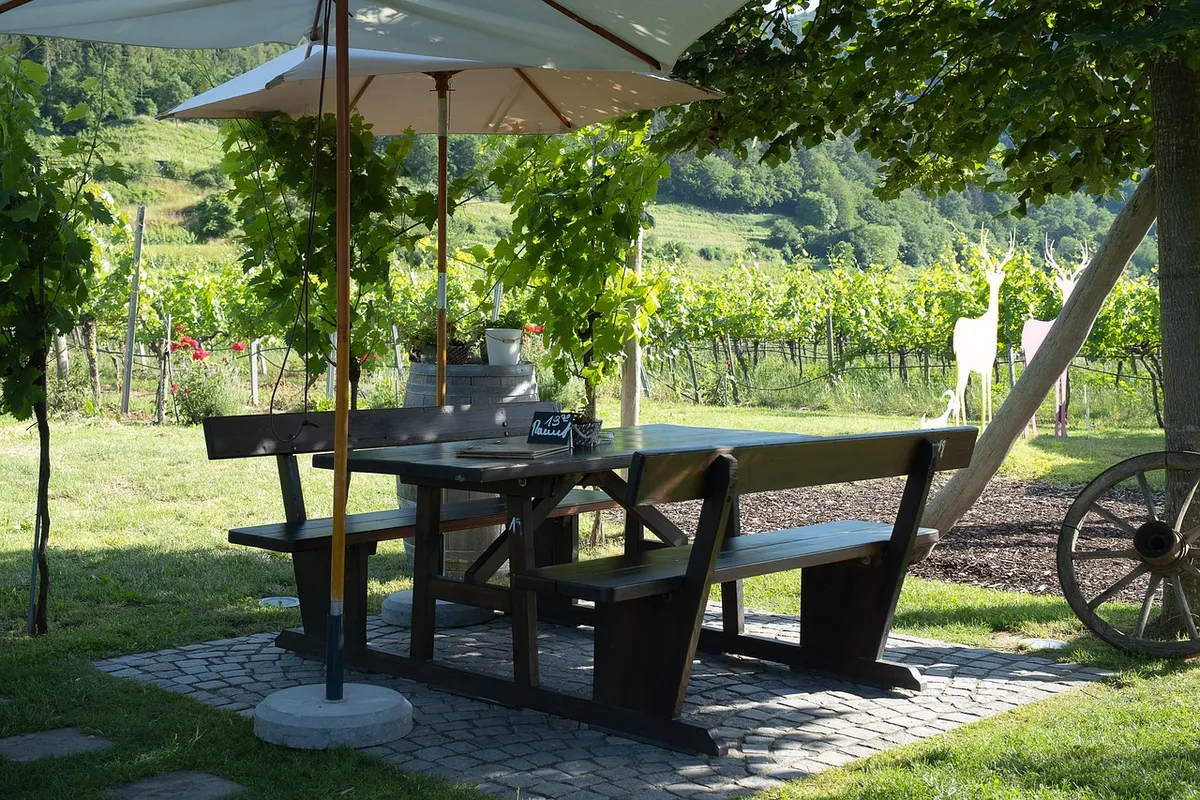
The 2024 US Census Bureau American Community Survey found that around 6.2% of working Los Angeles (city) residents commute to work via public transit. While this percentage is relatively low, public transit can be a viable option for certain urban routes.
If you are targeting a specific area, you might consider these steps:
- Identify the specific neighborhood or district of the restaurant. 2. Check if the destination is accessible via public transit or if a ride-share is necessary. 3. Account for transit time to avoid being late for a reservation.
I once found that checking the distance between two different dining districts before booking a trip saved me hours of frustration.
How do you manage a dining itinerary?
A person sits at a cafe, writing down a list of names and addresses in a notebook. Organizing a trip requires understanding the relationship between different parts of the city.
The city's layout includes long streets, such as Sepulveda Boulevard, which is 43 miles long, and Foothill Boulevard, which is over 60 miles long. These distances can make a simple cross-city trip feel much longer than it appears on a map.
| Feature | Measurement |
|---|---|
| North-to-South distance | 44 miles |
| East-to-West distance | 29 miles |
Using this comparison, a traveler can see that traveling east-to-west is generally a shorter journey than traveling north-to-south. This kind of spatial awareness is vital for any top LA restaurants guide.
Can you visit multiple spots in one day?
A traveler checks their phone for a weather update before stepping out the door. Exploring the culinary diversity of the city is difficult when the geography is so expansive.
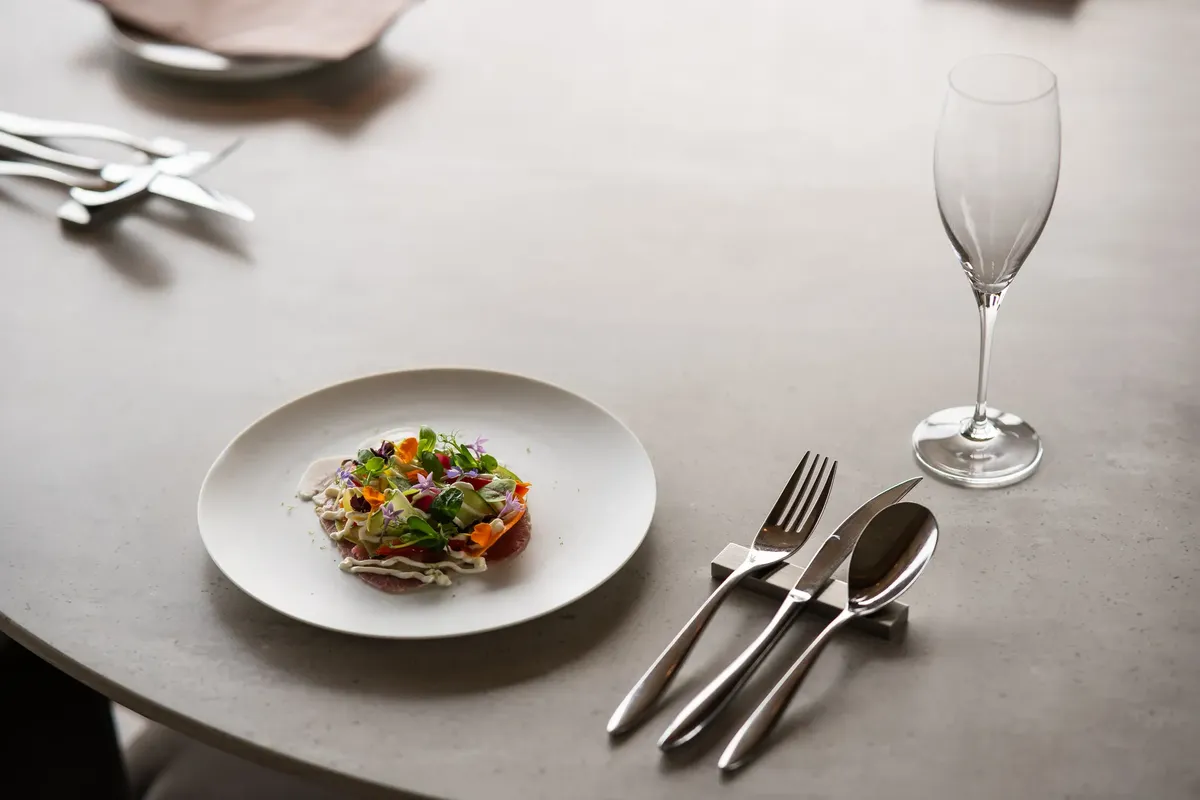
A limitation of planning a multi-stop food tour is the potential for heavy congestion, especially during peak hours when there can be 80% congestion. This makes it difficult to hit multiple high-end locations in a single afternoon.
Wikipedia: Los Angeles Based on the retained excerpt mentioning Pew Research Center: According to a 2014 study by the Pew Research Center, Christianity is the most prevalently practiced religion in Los Angeles (65%).
The same subject is also called Michelin rated LA dining.
This part also covers Guide to finding LA gems.
This part also covers Tips for dining in LA.
This part also covers Why choose this LA spot.
Guide to finding LA gems
Related
- Why are food trucks so common? LA taco truck guide
- Will local food culture shape the LA Olympics food culture?
What cautions apply when seeking the right dining experience?
Finding the right dining experience requires acknowledging the physical constraints of the metropolis. The sheer geographic spread means that even short-sounding drives can consume considerable time due to the city's dimensions.
Therefore, careful itinerary construction is necessary to match the scale of the journey to the desired dining outcome.
- Assess the distance between potential dining locations before committing to a plan. 2. Factor in the potential for severe traffic slowdowns during travel days. 3. Group dining reservations into geographically proximate clusters to minimize transit strain.
This proactive approach helps ensure that the pursuit of the right dining experience remains enjoyable rather than becoming a logistical ordeal.



Comments 0