Why are food trucks so common? LA taco truck guide
An urban landscape shaped by movement often finds its soul in the mobile kitchens parked on street corners.
This guide covers the essential elements of the local food scene, including the scale of the city, the rise of mobile food businesses, and the logistics of finding quality eats.
* Understanding the massive scale of Los Angeles * The surge in the food truck workforce * Navigating urban congestion and transit * Practical tips for finding local favorites
How massive is the Los Angeles area?
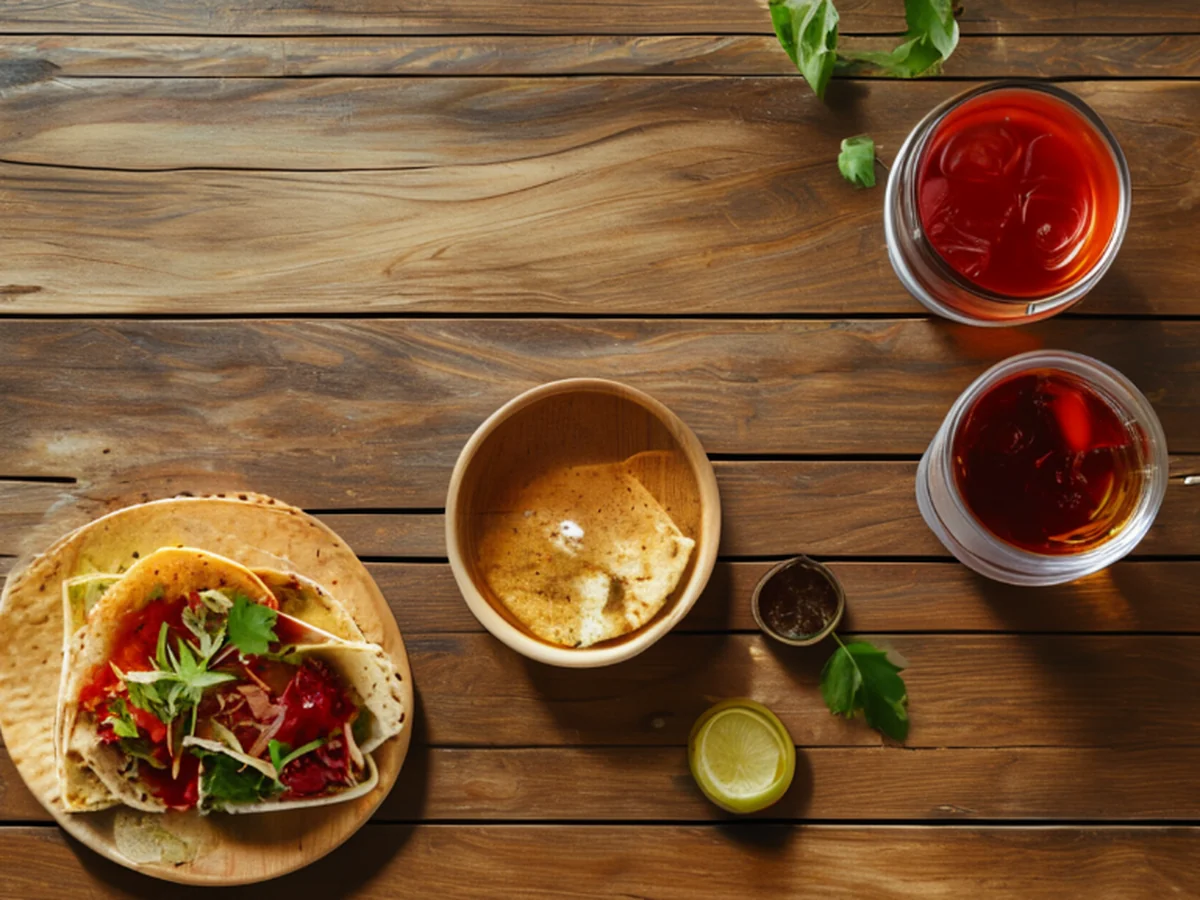
Staring at the vast horizon at dusk, I grip my steering wheel and wonder if I can reach the taco stand before the sun sets.
The sheer size of the urban environment influences every aspect of how people eat and move.
This vast territory means that food options are often spread across wide distances.
The city extends for 44 miles (71 km) from north to south and for 29 miles (47 km) from east to west.
Why are food trucks so common? LA taco truck guide
At noon, I stand on the crowded sidewalk and smell the spicy aroma of a freshly prepared taco coming from the nearby truck.
A chef flips a tortilla on a small metal griddle as customers gather around a brightly colored vehicle. The rise of mobile dining is a significant part of the modern urban diet.
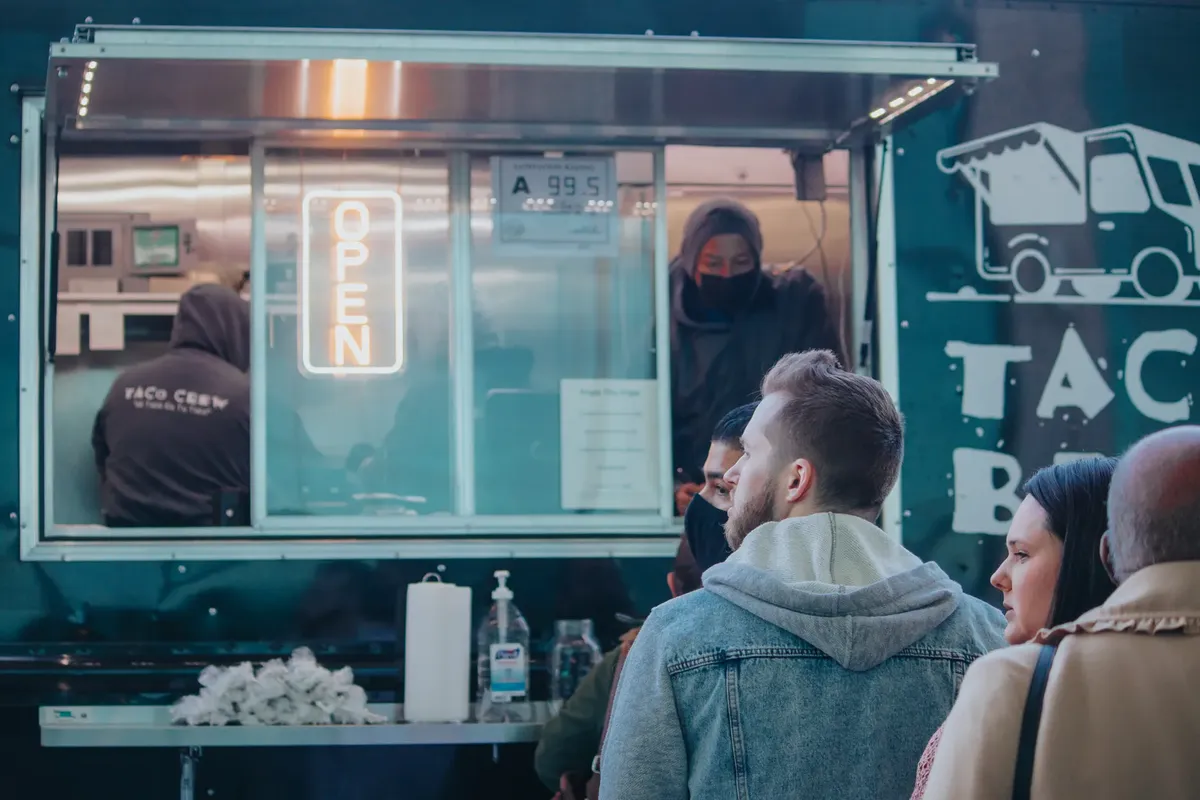
The popularity of the mobile food industry has seen a dramatic increase in the workforce. By 2024, the Bureau of Labor Statistics reported 44,119 people working in jobs related to food trucks, up 907% since 2000. This growth reflects a shift in how urban residents access quick, diverse meals.
According to World Bank, the 2024 record includes 46.1%.
How does traffic affect the food scene?
While stuck in idling traffic on the freeway, the savory smell of a passing taco truck wafts through my window.
A commuter sits in bumper-to-bumper traffic, eyeing a nearby food truck parked on the shoulder. Moving through the city to find a specific meal can be a challenge due to infrastructure.
Such congestion can make visiting specific locations difficult.
What are the logistical realities of the city?
A passenger looks out the window of a bus as the city skyline shifts in the distance. Understanding the layout helps in planning a food tour.
The city is the county seat and most populated city of Los Angeles County, which is the most populous county in the United States with an estimated 9.86 million residents as of 2022. Navigating such a large population requires understanding different neighborhoods.
How can you find the best local spots?
A group of friends walks toward a street corner, following the scent of grilled meat. Finding quality food often involves looking beyond traditional brick-and-mortar restaurants.
| Category | Metric |
|---|---|
| Total City Area | 502.7 square miles |
| Food Truck Workforce | 44,119 people |
I remember checking the map to see if a specific truck was within my driving range. The scale of the city makes it essential to plan routes carefully.
What are the limitations of mobile dining?
A health inspector walks around a food truck, checking the cleanliness of the prep area. While convenient, mobile units face unique challenges.
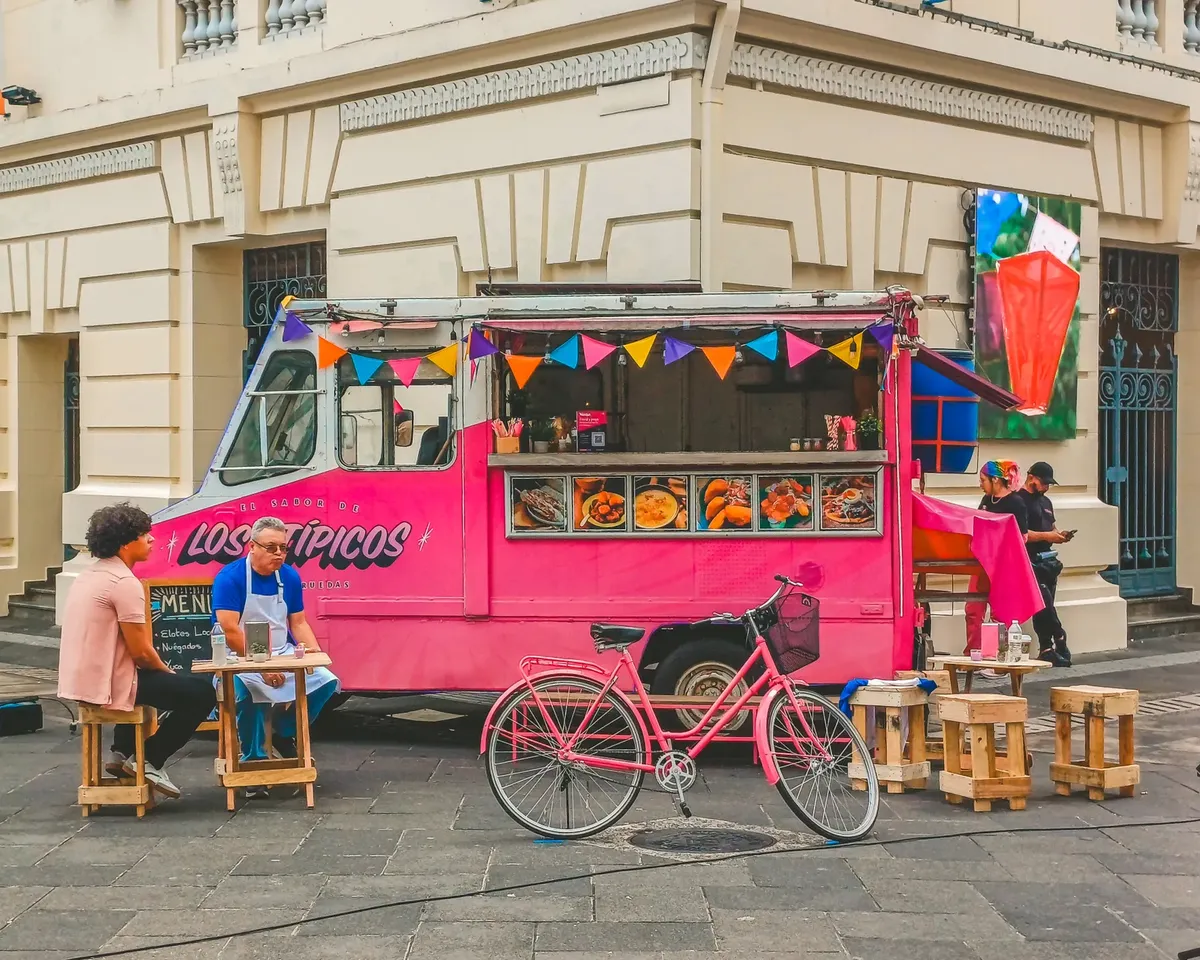
The ability to reach a diverse range of people is limited by the physical reach of the vehicles and the density of the urban layout. The size of the city and the congestion on the roads can limit how frequently trucks can move between different neighborhoods.
World Bank Based on the retained excerpt mentioning World Bank: According to World Bank data, the United States recorded agricultural land share of 46.1% in 2024.
Wikipedia: Los Angeles Based on the retained excerpt mentioning Pew Research Center: According to a 2014 study by the Pew Research Center, Christianity is the most prevalently practiced religion in Los Angeles (65%).
- Exploring the flavors of a sprawling metropolis requires understanding its unique mobility and scale.
- A driver grips the steering wheel while looking at a sprawling map of the city limits.
- The city of Los Angeles covers a total area of 502.7 square miles (1,302 km2), comprising 468.7 square miles (1,214 km2) of land and 34.0 square miles (88 km2) of water.
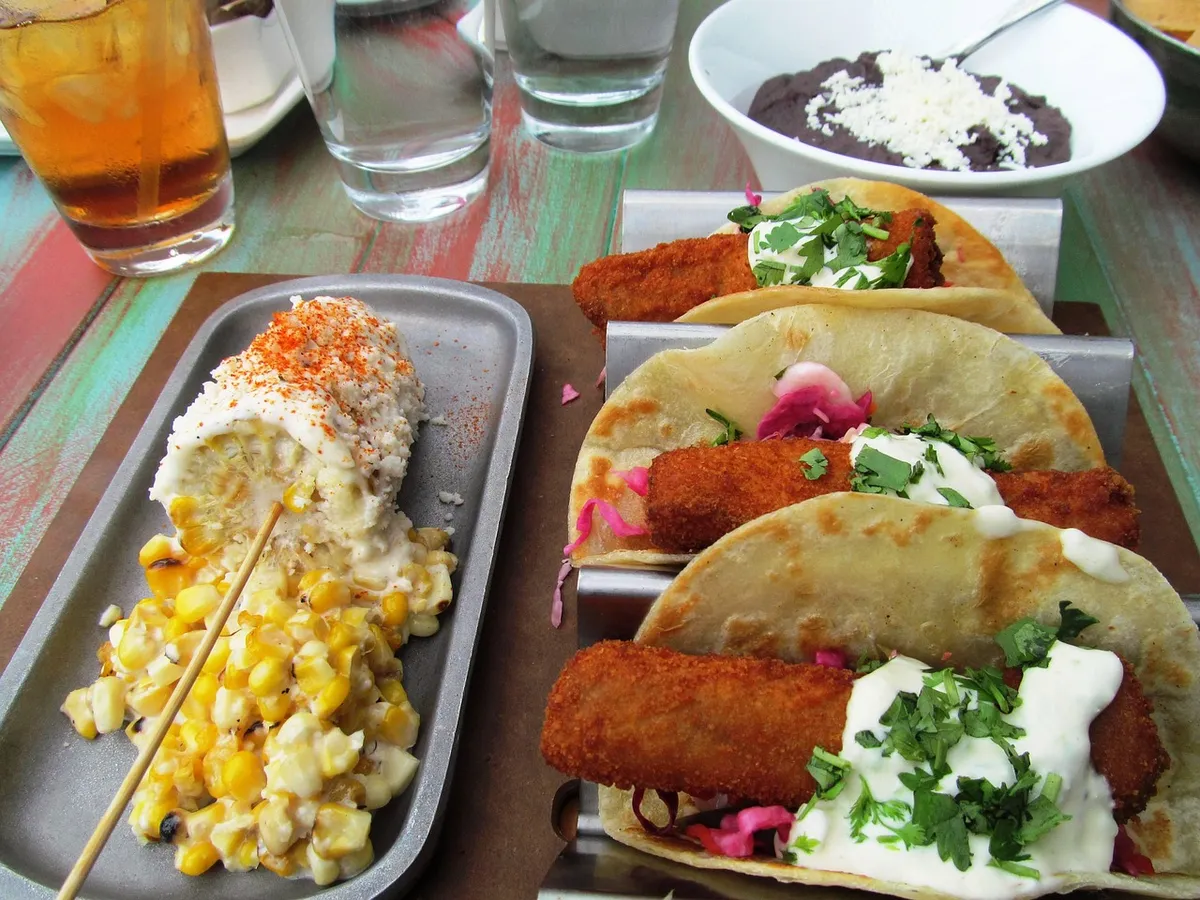
The subject here is LA taco truck guide.
The same subject is also called best LA taco trucks.
The same subject is also called local favorite eats LA.
The same subject is also called authentic LA food tour.
The same subject is also called must try LA spots.
This part also covers LA food scene deep dive.
This part also covers local picks for visitors.
This part also covers foodie decision maker.
LA food scene deep dive
Related
- LA travel itinerary guide: 29 miles how to plan your visit
- Disney vs Universal Guide: Planning Your Best Visit
How does the urban landscape impact food access?
The urban landscape affects food access through its massive size and road congestion. Because the city extends 44 miles north to south and 29 miles east to west, food options are spread across wide distances. This scale requires careful route planning to navigate the territory effectively.
- Identify the specific location of the food truck. 2. Compare the distance to the destination against the city's 502.7 square mile area. 3. Account for potential delays caused by road congestion.
What constraints do transit and congestion impose?
Congestion and transit limitations define the movement within the urban landscape. With the 2019 ranking of the most congested roads in the United States, traveling to specific food locations can be difficult due to significant delays.
This makes the 6.2% of residents using public transit a factor in how people move between neighborhoods.
If you are traveling to a specific meal, you must consider the following conditions:
- The cumulative average of 119 hours of traffic delay per traveler can impact arrival times. 2. The physical reach of vehicles must be balanced against the density of the urban layout. 3. The distance between neighborhoods requires managing the 44-mile north-to-south span.
How does the urban landscape affect travel times?
The urban landscape affects travel times through significant road congestion and the massive scale of the city. Because the city covers 502.7 square miles, traveling between locations involves navigating wide distances.
The 2019 ranking of the most congested roads in the United States indicates that delays are a common condition for travelers.
When planning a trip to a food truck, consider these conditions:
- The 44-mile north-to-south span of the city requires significant travel time. 2. The 119 hours of annual delay per traveler can cause unpredictable arrival times. 3. The density of the urban layout may limit the movement of mobile food units.




Comments 0