90 Minutes Matter: Conquer Universal's Top Attractions
"The difference between a magical day and a miserable one isn't the price of your ticket, but the direction you walk when the gates first open."
Success at Universal Studios Hollywood isn't about how much money you spend; it's about how much time you reclaim from the crowds. If you find yourself standing in a 90-minute line for a ride you wanted to hit first thing in the morning, you've already lost the battle.
Key Takeaways
* The Golden Window: The first 90 minutes of park operation are your most valuable assets for high-demand attractions. * Directional Logic: Successful visitors move against the grain, heading to back-of-park attractions immediately upon entry. * Strategic Dining: Timing your meals during peak ride-demand windows prevents the mid-day bottleneck. * Logistical Readiness: Managing the trek from your hotel to Universal is just as critical as the ride strategy itself.
When is the "Open Run" worth it?
As the sun crests over the hills, you tighten your grip on your bag and walk toward the gates while the cool morning air hits your face.
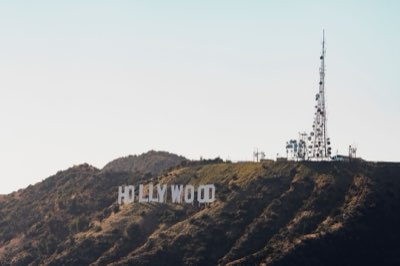
The sun is just beginning to crest over the Hollywood Hills, casting long shadows across the entrance plaza as a sea of eager travelers gathers near the gates. You can feel the nervous energy in the air, the quiet hum of excitement before the turnstiles begin to spin.
According to World Bank data, the United States recorded share of internet users of 94.7% in 2024.
The "Open Run" refers to that critical period between park opening and the first major crowd surge, usually around 11:00 AM. While the gates might officially open at 10:00 AM, arriving at the parking lot by 8:30 AM is often the difference between riding a headliner twice or seeing it only once.
The goal of the first 60 to 90 minutes is to hit the "E-Ticket" attractions—the high-intensity, high-demand rides—before the general public has even finished their first coffee.
While most people wander toward the entrance landmarks, the veteran visitor is already sprinting toward the back of the park.
By 11:30 AM, the park's density shifts rapidly. If you haven't secured your "must-do" rides by then, you will spend the rest of your day looking at digital wait-time boards rather than looking through ride restraints.
But the real challenge isn't just being there; it's knowing exactly where to step the moment the gates crack open.

How do you build a winning attack plan?
You stand at the entrance, looking at a park map, trying to decide which way is north. The sounds of distant screams from a roller coaster echo through the air, and you realize that every minute spent debating is a minute lost to a growing line.
To maximize your throughput, you need a tiered priority list. Before you even step out of your hotel, categorize every ride into three buckets: "Must-Do," "Nice-to-Do," and "Filler."
When I first visited in the summer of 2025, I spent forty minutes just standing in the plaza deciding where to go. That mistake cost me a chance to ride the big attractions before the noon rush.
- Identify High-Priority Targets: Focus on the heavy hitters like *Mario Kart: Bowser's Challenge* or *Harry Potter and the Forbidden Journey*. These are your primary targets for the morning.
- Sequence Geographically: Do not zig-zag across the park. If your target is in Super Nintendo World, stay in that zone until you have exhausted the high-priority rides there before moving to the next land.
- Strategic Dining: Do not eat your main meal at 12:30 PM. That is when the lines are longest. Instead, eat a heavy breakfast, a light snack at 11:30 AM, and save your large meal for 2:00 PM when the crowd-induced hunger-frenzy begins to dip.
- The Pivot Plan: Always have a backup. If a ride has an unexpected technical delay, don't stand in the standby line watching the clock. Immediately pivot to a secondary high-priority ride in a different zone to keep your momentum.
By following this sequence, you turn a chaotic day into a controlled mission. However, even the best plan can be derailed by the reality of the queues.
Why do the lines feel so much longer?
You stand in a shaded queue, looking at the digital timer that says 75 minutes. You glance at the people breezing past you through a separate entrance, and you realize that your strategy might need an upgrade.
There is a fundamental difference between a standard ticket and an Express Pass. A standard ticket is a test of patience and timing; an Express Pass is a tool for efficiency.
If your goal is to hit every major attraction in a single day, the Express Pass is often the only way to guarantee that outcome.
* Value vs. Premium: If you are a thrill-seeker who wants to ride everything, the Express Pass is an investment in time. If you are a casual visitor who only cares about two specific rides, a standard ticket with a well-timed "Open Run" might suffice. * Real-Time Monitoring: Use the official park app constantly. It is not just for maps; it is your tactical radar. If a ride's wait time suddenly drops, that is your cue to move. * The Mid-Day Reset: Around 2:00 PM, there is often a momentary lull as families head toward lunch. This is a perfect time to hit rides that are usually high-demand but might have slightly lower capacity.
Understanding the difference between a ticket and a time-saver is key, but the preparation starts long before you enter the gates.
What should you do before you arrive?
You are packing your bag in a hotel room, checking the weather forecast on your phone. The sky is clear, but you know that California heat or a sudden afternoon shower can change everything.
Success begins before you arrive. You must check for seasonal events, such as special character meet-and-greets or limited-time ride overlays, which can drastically change crowd patterns. A seasonal event might make a specific area much more crowded than usual.
Weather is a major factor in ride availability. High winds or lightning can shut down outdoor coasters instantly. Always have a "rainy day" plan that focuses on indoor attractions like the *Studio Tour* or indoor dark rides.
Additionally, pre-booking dining reservations can save you from the chaos of wandering the park looking for a table when you are already exhausted.
But even with a perfect bag and a weather-proof plan, you still have to deal with the reality of Los Angeles.
How do you handle the LA logistics?
You sit in your rental car, looking at the sprawling Los Angeles skyline as you navigate toward Universal City. The traffic is heavy, a constant hum of engines and the rhythmic sound of tires on pavement.
Getting to the park is a logistical hurdle. Universal Studios is located in a unique pocket of LA, and traffic can be unpredictable. If you are driving from places like Santa Monica or Pasadena, remember that LA traffic is not just a possibility; it is a certainty.
* Traffic Timing: Avoid driving toward the park during peak rush hour if possible. If you must travel during these times, factor in significant extra time. * Note: While the park is a controlled environment, remember that the surrounding streets can be busy. Always keep an eye on local news for any major road closures or transit changes that might affect your route to the parking garage.
| Strategy Component | Standard Approach | Pro-Level Strategy |
|---|---|---|
| Arrival Time | At park opening | 60-90 minutes before opening |
| Route | Random exploration | High-priority, back-to-front flow |
| Dining | When hungry | During low-demand ride windows |
| Tech Usage | Occasional map checks | Constant real-time wait monitoring |
Navigating the streets is one thing, but navigating the park itself requires a final set of answers.



Comments 0