LA Safety Guide: Know Your Neighborhood Before You Go
"Safety in Los Angeles isn't about which city you're in, but which street you're standing on."
Navigating LA requires moving past the movie-set stereotypes to understand a city where a quiet residential street can sit just blocks away from a high-activity urban hub. This guide provides a realistic map of neighborhood dynamics to help you choose where to sleep, where to park, and when to move.
Key Takeaways * LA's safety is hyper-local; a single zip code can contain vastly different security realities. * Successful navigation requires matching your itinerary to the specific rhythm and density of each neighborhood.
* Always prioritize well-lit, high-traffic areas for walking, especially during late-night transitions.
Beyond the Stereotype: Why is the safety divide so sharp?
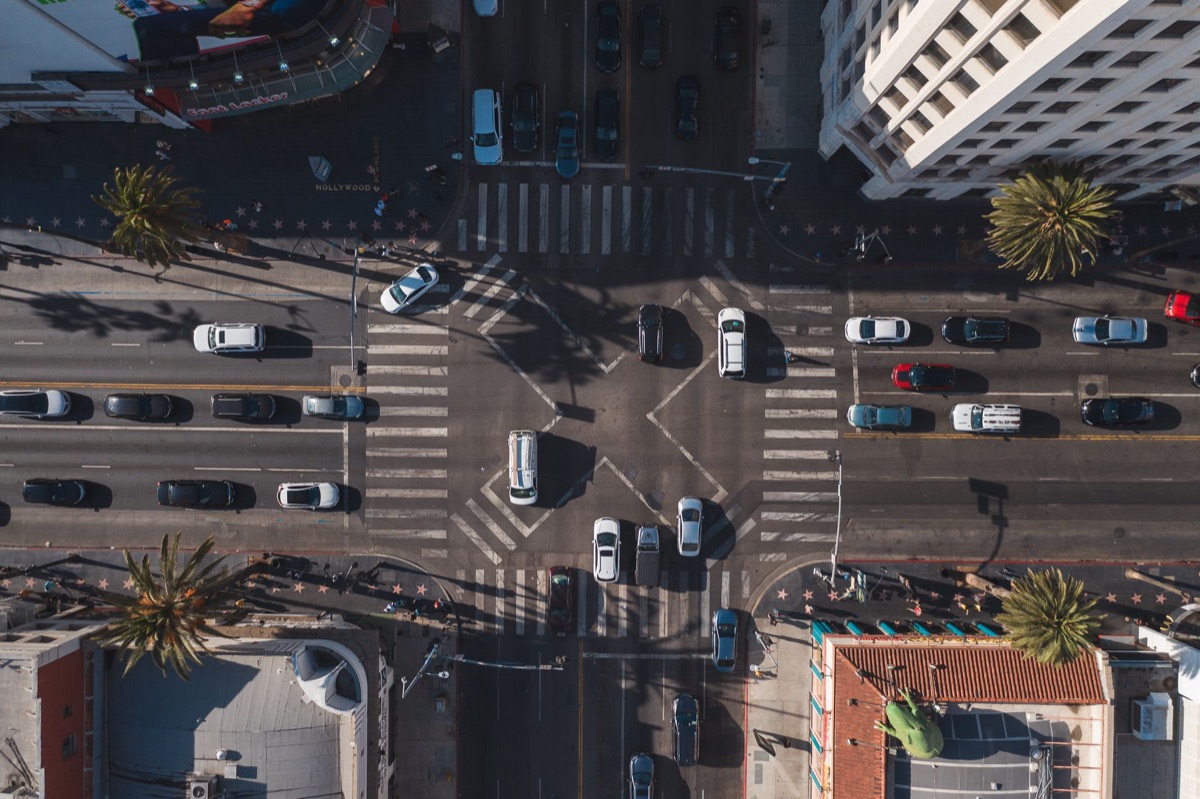
The sun hits the pavement on Sunset Boulevard at 10:15 AM, reflecting off glass towers while just a few miles away, quiet residential shadows stretch across empty sidewalks.
You might find yourself sipping an expensive $7 latte in a manicured plaza, only to realize the atmosphere has shifted entirely as you cross a single intersection.
The sheer geographical scale of Los Angeles makes blanket statements about "safety" useless. Because the city is a massive sprawl of interconnected pockets, the risk profile changes based on the time of day, the specific block, and the density of foot traffic.
A tourist zone might feel incredibly secure at 2:00 PM due to crowds, but feel entirely different at 2:00 AM when the commercial activity ceases.
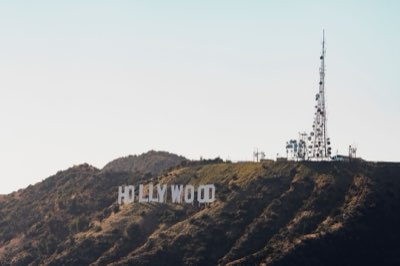
It is crucial to understand the difference between perceived risk and actual risk. A high-traffic area like Hollywood might feel chaotic, but the constant presence of people often provides a layer of natural surveillance.
Conversely, a quiet, beautiful residential street might feel peaceful, but its low foot traffic can present different challenges after dark.
When I first arrived in the city in 2025, I spent an entire afternoon walking from the bright lights of Hollywood Boulevard toward the residential pockets of Los Feliz, and the shift in energy was immediate and palpable.
Actionable Tip: Never search for "is LA safe?" Instead, search for "[Neighborhood Name] walking guide" or "[Neighborhood Name] parking tips" to understand the specific nuances of your destination.
Neighborhood Deep Dive: Where to go and where to proceed with caution?
Walking along the boardwalk in Venice at 4:30 PM, you feel the salt air and hear the eclectic mix of music from street performers, a sharp contrast to the more polished atmosphere of nearby Santa Monica.
The coastal identity of LA offers two very different experiences. Venice, originally founded by developer Abbot Kinney in 1905 as a beach resort town, maintains a gritty, bohemian, and high-density energy that can feel overwhelming to some.
While it is a vibrant cultural hub, its density and mix of residents require more situational awareness than the more manicured, tourist-heavy corridors of Santa Monica.
In central hubs like Hollywood or Downtown Los Angeles (DTLA), the atmosphere is transient. These areas are designed for high-volume movement, meaning you will encounter a wide spectrum of people, including those experiencing homelessness or transient populations.
While these areas are heavily policed and heavily traffented, the sheer volume of activity requires you to stay alert to your surroundings, especially when moving between transit stops and hotels.
Actionable Tip: Match your activity to the neighborhood's natural rhythm. If you prefer quiet, strolling environments, stick to coastal or residential-adjacent zones during daylight. If you want nightlife, choose high-traffic commercial corridors where there is a constant flow of people.
Mobility Matters: How do you navigate the LA ecosystem?
You sit in a rental car at 6:30 PM, looking at a digital map while the sounds of the 405 freeway hum in the background, wondering if the parking garage at your destination is secure.
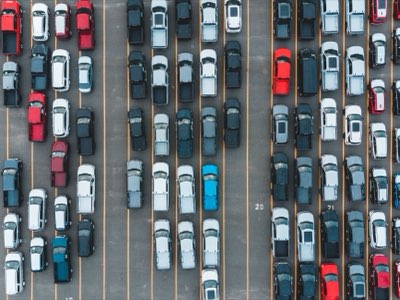
Choosing between a rental car and ride-sharing services like Uber or Lyft is a fundamental decision for any LA traveler. A rental car offers autonomy and is often necessary for trips to places like Santa Barbara or Malibu, but it introduces the variable of vehicle security and parking logistics.
Ride-sharing eliminates the need to find parking but can become expensive during long-distance trips or peak surge pricing.
According to the 2024 US Census Bureau American Community Survey, approximately 6.2% of working Los Angeles city residents commute via public transit. While the metro system is expanding, it is not the primary mode of transport for most visitors.
If you do use transit, understand that it often requires transfers and can lead to longer travel times, which might affect your ability to navigate certain areas after dark.
| Feature | Rental Car | Ride-Share (Uber/Lyft) |
|---|---|---|
| Flexibility | High - Go anywhere at any time. | Moderate - Dependent on driver availability. |
| Cost | High upfront, but lower per-trip cost. | Low upfront, but high cumulative cost. |
| Security | Risk of vehicle break-ins/theft. | Generally high, but requires driver vetting. |
| Parking | Major logistical challenge. | No parking issues. |
Actionable Tip: If you rent a car, never leave any belongings—even a shopping bag or a charger—visible in the seats. If you use ride-shares, always verify that the license plate and driver match the app before entering the vehicle.
Accommodation Choices: Where should you base your journey?
You stand in the lobby of a hotel at 8:00 PM, looking out at the city skyline, weighing the convenience of your location against the quiet of a suburban retreat.
Selecting a base of operations is a trade-off between lifestyle, budget, and ease of movement.
* Santa Monica/Venice: High-vibe, coastal, and walkable, but can be expensive and high-density. * Hollywood: Central to many attractions, but requires constant vigilance due to high foot traffic and transient populations. * Anaheim: Ideal for theme park lovers, offering a much more controlled and family-friendly environment, though it is a significant drive from the coast. * K-Town (Koreatown): A vibrant, high-energy urban hub with incredible food, perfect for those who want to be in the thick of city life.
When choosing, consider your primary activities. If you are spending most of your time at Disneyland, staying in Anaheim makes more sense than staying in West Hollywood. If you want a mix of beach and city, Santa Monica is a strong contender.
Actionable Tip: Select your base based on your *next* activity, not just the "vibe." If you plan to drive to various parts of the city, a central location might save time, but a more quiet, residential-adjacent hotel might offer better rest.
Dining & Discovery: How to fuel your trip authentically?
The smell of grilled meat from a nearby taco truck wafts through the air at 11:00 PM, mixing with the scent of ocean salt as you decide where to eat.
LA is a culinary melting pot, and dining is often the centerpiece of any trip. From high-end Michelin-starred restaurants to late-night taco trucks, the food scene reflects the city's diverse demographics.
When dining, understand that food trucks and street stalls are a staple of LA culture. While generally safe and incredibly delicious, they are often located in high-traffic areas.
If you are dining at a taco truck, look for spots that are busy with local residents; high turnover is usually a good sign of food quality and safety.
Actionable Tip: Use dining as a way to understand a neighborhood. If a neighborhood has a high density of well-reviewed, busy restaurants, it is often a good indicator of a stable, active community.
The LA Navigation Checklist: How to stay prepared
You sit at a small cafe table in Silver Lake, checking your phone and organizing your plans for the next three days.
To ensure a smooth and safe experience, follow this step-by-step preparation guide:
- Analyze the Route: Before leaving your hotel, use a map to identify the specific blocks you will be walking and note the locations of major transit hubs.
- Verify the Arrival: When using ride-shares, always cross-reference the driver's name and the vehicle's license plate with the information on your smartphone.
- Manage Belongings: If driving, remove all visible items from your car and store them in the trunk before you reach your destination to avoid "smash and grab" incidents.
- Monitor the Clock: Plan your arrivals and departures to coincide with peak activity hours, minimizing time spent in transit during late-night or early-morning hours.
- Confirm the Base: Always double-check the neighborhood and walking accessibility of your accommodation against your intended daily itinerary.



Comments 0