LA Lodging Guide: Balance Safety and Budget in Southern CA
"Your zip code in Los Angeles is more than just an address; it is your primary strategy for survival and enjoyment."
Choosing where to lay your head in Los Angeles is a high-stakes game of trade-offs. You are essentially balancing the desire for a scenic sunset against the reality of a monthly budget and the necessity of feeling secure when walking back to your car at 10:00 PM.
Key Takeaways
* Prioritize by Purpose: Match your neighborhood to your primary activity, whether it is beach access in Santa Monica, theme park proximity in Anaheim, or industry access in Hollywood. * The Safety-Budget Seesaw: Generally, higher safety and high-amenity areas command premium prices, while budget-friendly options often require more vigilant situational awareness. * Logistics Matter: Consider the hidden costs of your location, such as daily parking fees in coastal areas or transit accessibility for those avoiding car rentals.

Where should I stay in LA? The sun hits the pavement on Sunset Boulevard, casting long shadows over a city that feels like a collection of separate worlds stitched together by freeways.
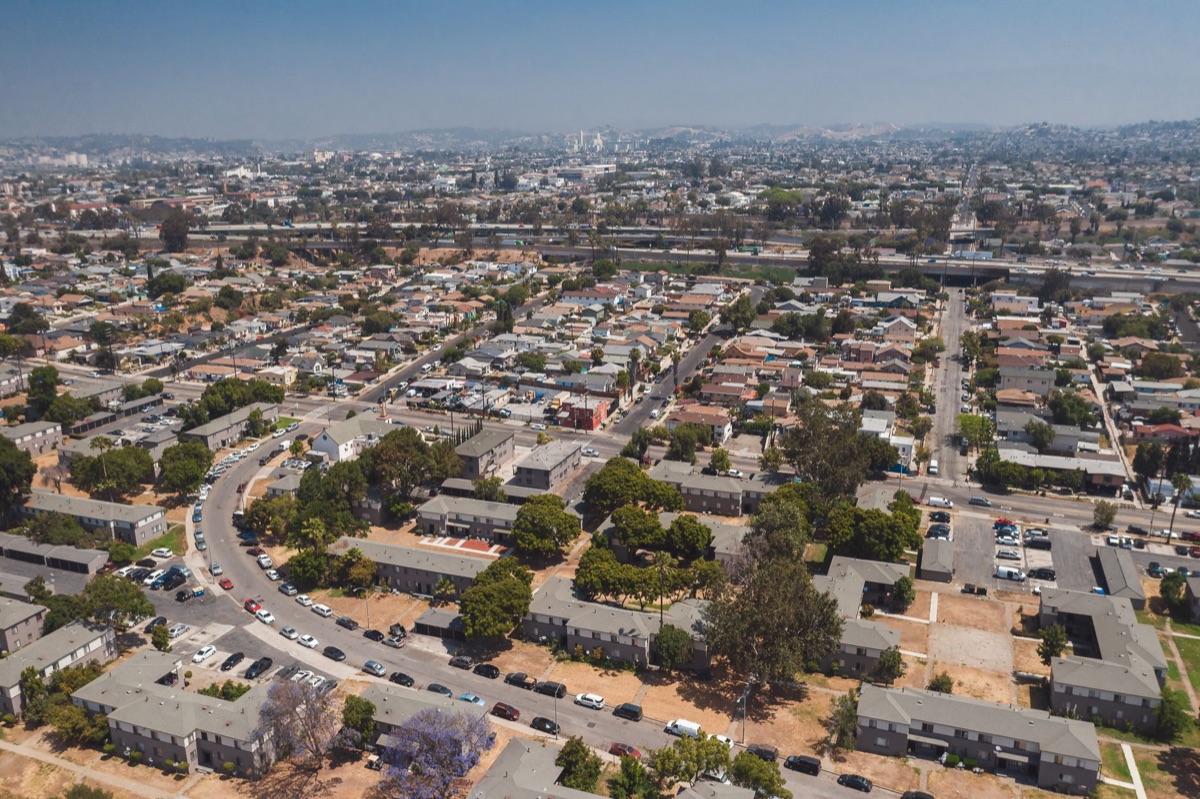
A housing project, Lincoln Place Apartment Homes, built by the Housing Authority of the City of Los Angeles, is currently undergoing a $140 million renovation to add 99 new market-rate apartment homes and to update the remaining 696 existing homes.
You stand at a crossroads, looking at a map where "downtown" might mean a skyscraper in a financial district or a historic sprawl, and realize that choosing a hotel is actually choosing a lifestyle.
If you want the quintessential California dream, Santa Monica or Venice offers that breezy, salt-air atmosphere where the lifestyle revolves around the Pacific. These areas are high-cost, high-energy, and perfect for those who want to step out of a hotel and immediately feel the ocean breeze.
For those visiting for the magic of the parks, Anaheim is the logical hub, offering a much more controlled, family-oriented environment that keeps you close to the rides but far from the urban grit.
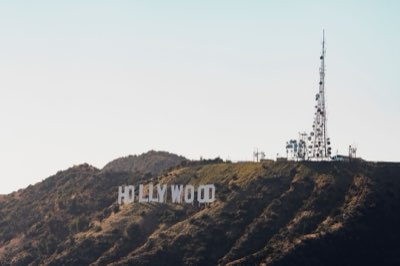
If your trip is driven by the glitz of the film industry or nightlife, Hollywood acts as a central, high-density hub, though it requires a much sharper eye for street-level reality.
Each area has its own "neighborhood DNA." Santa Monica is polished and tourist-friendly; Hollywood is gritty, historic, and fast-paced; Anaheim is suburban and structured.
Understanding these vibes helps you decide if you want to wake up to the sound of seagulls or the hum of a metropolitan transit line.
Which neighborhoods are safe? Walking down a quiet, tree-lined street in West Hollywood feels entirely different from navigating a crowded intersection in South LA, yet both are technically within the same metropolitan sprawl.
You might find yourself checking your surroundings more frequently in one than the other, a natural response to the shifting atmosphere of the city.
Safety in Los Angeles is often a matter of blocks, not just neighborhoods. A single street can transition from a high-end shopping district to a much more desolate area within a few hundred yards.
It is vital to research specific intersections and understand that "safety" is often subjective, influenced by lighting, foot traffic, and local crime trends.
Large-scale urban developments also shape the safety landscape.
For instance, a housing project like the Lincoln Place Apartment Homes, which was built by the Housing Authority of the City of Los Angeles, has undergone a $140 million renovation to add 99 new market-rate apartment homes and update 696 existing homes, demonstrating how urban renewal attempts to balance housing needs with community stability.
Always remember that situational awareness is your best tool. Whether you are in a luxury high-rise or a budget motel, being aware of your surroundings, staying in well-lit areas, and understanding local transit patterns are essential for a smooth trip.
Budget Breakdown: Making Your Dollar Stretch in LA
You sit at a small cafe table, looking at a receipt for a simple lunch and realizing that the cost of living in LA is a variable that can break a travel budget if not managed carefully. You have to decide if you want to spend your money on a nicer room or on the activities that define your trip.
The budget equation involves more than just the nightly hotel rate. In coastal areas like Santa Monica, you might pay a premium for the room, but you might save on transportation if you can walk to your destinations.
Conversely, staying in a cheaper, more remote suburb might save you $100 a night, but the cost of gas, parking, and ride-shares could quickly eat those savings.
Parking is a notorious hidden cost in Los Angeles. Many hotels in urban centers charge upwards of $50 per night just to secure a spot in a garage. If you are renting a car, you must factor in these daily fees, as well as potential tolls or the cost of navigating heavy traffic.
To stretch your dollar, consider staying in "second-tier" neighborhoods that are well-connected by transit or a short drive to the main attractions.
Staying in a quiet part of Culver City or looking for accommodations in Glendale might offer a better balance of safety, price, and accessibility than staying directly in the heart of Hollywood or right on the beach.
Lifestyle Match: Aligning Your Needs with the Location
You watch the morning commute from a window, seeing a sea of cars moving toward the city center, and realize that your daily transit time will define your mood for the entire trip.
According to a 2014 study by the Pew Research Center, Christianity is the most prevalently practiced religion in Los Angeles (65%).
If you spend three hours a day in traffic, you aren't really experiencing Los Angeles; you are just experiencing its highways.
Your lifestyle needs dictate your location. If your priority is the beach, you will naturally gravitate toward the coast, accepting higher prices for the ability to walk to the sand.
If your priority is visiting Universal Studios or Hollywood, staying in the central Los Angeles area makes sense, though you trade quiet nights for urban noise.
Infrastructure plays a massive role in lifestyle. While much of LA is car-centric, some areas are much more navigable via public transit.
According to the 2024 US Census Bureau American Community Survey, around 6.2% of working Los Angeles city residents commute to work via public transit, highlighting that while driving is common, a segment of the population relies heavily on the rails and buses.
| Priority | Recommended Area | Typical Vibe | Trade-off |
|---|---|---|---|
| Beach & Relaxation | Santa Monica / Venice | Coastal, Trendy | High Cost, High Tourism |
| Theme Parks | Anaheim | Family, Suburban | Distance from City Center |
| Entertainment/Film | Hollywood / West Hollywood | Urban, High Energy | Noise, Variable Safety |
| Culture & Variety | Downtown LA / K-Town | Metropolitan, Diverse | High Density, Busy |
Mobility in LA: Getting Around Safely and Affordably
You stand on a subway platform, looking at the digital readout of the next arriving train, wondering if this is the most efficient way to cross the city. Mobility in LA is a puzzle of trains, buses, ride-shares, and the inevitable traffic jams.
Public transit is an option, but its effectiveness depends heavily on where you stay. The LA Metro system is extensive, with the system running a total of 125.1 miles and 110 stations as of May 2026.
This makes certain parts of the city very accessible, but it also means you need to understand which lines go where to avoid getting lost or stuck in long detours.
For those who prefer to drive, a rental car offers freedom but brings the challenge of navigating complex freeway interchanges and finding parking.
If you choose to rely on ride-shares like Uber or Lyft, remember that prices can surge during peak hours or bad weather, which can significantly impact your daily budget.
| Mobility Mode | Best For... | Pros | Cons |
|---|---|---|---|
| Rental Car | Road trips, families, outskirts | Total freedom, convenience | Parking costs, traffic stress |
| Public Transit | Urban exploration, budget travelers | Lower cost, avoids traffic | Fixed schedules, limited reach |
| Ride-Share | Nightlife, short distances | Door-to-door, no parking hassle | Expensive during peak times |
How to Plan Your LA Stay: A Step-by-Step Checklist
When I first visited the Westside, I spent too much time driving and not enough time actually seeing the sights. I realized that a lack of a logistics plan was the biggest mistake a visitor could make.
To avoid the same pitfalls, follow this sequence to lock in your perfect base:
- Define Your Anchor: Identify the one location you will visit most frequently (e.g., Disneyland, the Beach, or a specific studio).
- Set a Transit Budget: Decide if you will rely on a rental car (factor in $50+ daily parking) or ride-shares (factor in surge pricing).
- Map the "Buffer" Zones: Look for neighborhoods adjacent to your anchor. If you want the beach, look at Culver City as a mid-priced alternative to Santa Monica.
- Verify Transit Access: Check the proximity of your potential accommodation to the nearest Metro station to ensure you aren't trapped in traffic.
- Cross-Reference Safety and Amenities: Use local maps to ensure your hotel isn't on a desolate corner and has sufficient foot traffic nearby.





Comments 0