Santa Monica vs Hollywood: Choose Your Perfect LA Base Now
"Don't book your first night in Los Angeles until you decide if you want to wake up to the sound of crashing waves or the hum of the city streets."
Choosing between the coast and the concrete jungle is the most important decision you will make for your trip. Your choice dictates your budget, your daily transit time, and how safe you feel stepping out of your hotel lobby.
Key Takeaways * Santa Monica: Best for a relaxed, upscale coastal vibe with direct beach access and a slower pace. * Hollywood: Ideal for those seeking celebrity culture, central access to major attractions, and high-energy nightlife.
* Safety Dynamics: Perceived safety varies significantly; your choice of neighborhood dictates your daily comfort level more than the city as a whole. * Logistics: Your base will determine whether you need a dedicated rental car or if ride-sharing and transit are sufficient.
Why Does Location Matter in LA?
The sun hits the Pacific horizon at 6:00 AM, casting a golden light over the pier while the city dwellers in the hills are still sleeping. In the same moment, the neon lights of Hollywood Boulevard are flickering to life for the night owls.
According to the Housing Authority of the City of Los Angeles, a housing project is currently undergoing a $140 million renovation to add 99 new market-rate apartment homes.
The divide between the Westside and the central hubs is not just about distance; it is about identity. Santa Monica was founded as a beach resort town by developer Abbot Kinney in 1905, originally intended to be the "Venice of America" (14 miles west of Los Angeles).
This history created an atmosphere of leisure and upscale living that remains today. If you stay here, you are choosing a lifestyle of morning walks on the boardwalk and salty air.
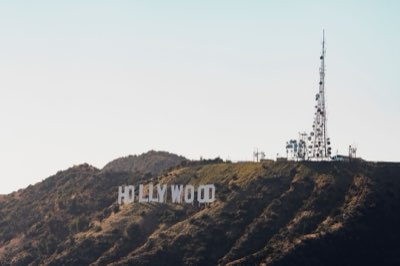
Hollywood, conversely, is the engine of the city's fame. It is a place of hustle, where the industry meets the tourist.
While Santa Monica offers an escape from the urban grind, Hollywood places you in the center of the action, providing quick access to Griffith Observatory and the various studio hubs. Locals view Santa Monica as the refined getaway and Hollywood as the high-energy transit and activity hub.
The choice you make will define the "flavor" of your entire vacation. But choosing a vibe is only the beginning of the logistical puzzle.
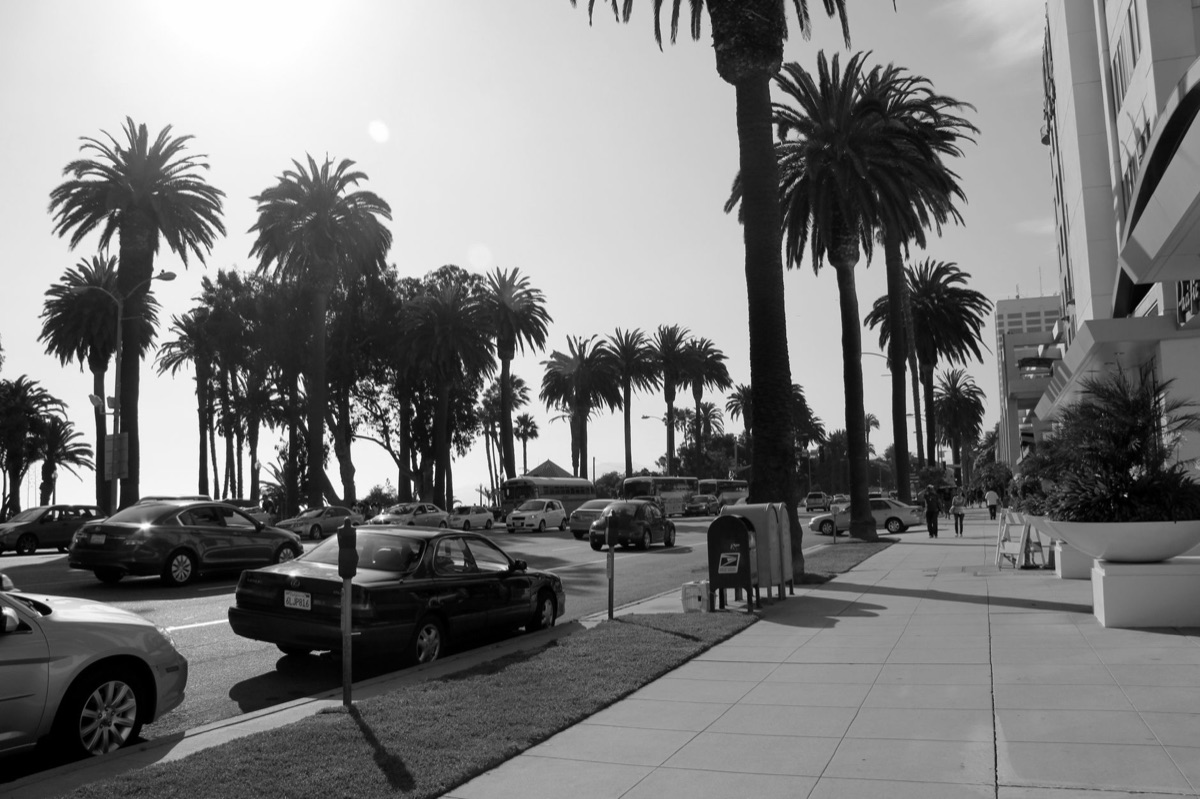
Is it safe and practical to navigate LA? A tourist walks through a crowded street in Hollywood, feeling the pulse of the city, while another sits in a quiet cafe in Santa Monica, watching the world go by. Both are in Los Angeles, but their sense of security is worlds apart.
Safety in Los Angeles is highly localized. You cannot judge the safety of the entire city by one street corner. In Hollywood, the density of people and the presence of transient populations can make certain blocks feel unpredictable, especially late at night.
In Santa Monica, the atmosphere is generally more controlled and polished, though it is not immune to urban issues.
The "rental car equation" is the secondary factor in your safety and ease of travel. In Hollywood, you might find it easier to rely on ride-sharing or even the Metro system, which features 29 stations and has seen significant daily ridership.
However, if you choose Santa Monica, you are often moving between the coast and other inland attractions, making a car almost essential.
A dedicated vehicle provides a "safe bubble" for moving between neighborhoods, but it also introduces the headache of parking.
If you choose a central Hollywood hotel, you might deal with tight garages and high fees, whereas a Santaᒧa Monica base might require more driving to reach the outskirts of the city.
When I first visited the Westside in 2025, I realized that even a 5-mile drive could take 45 minutes during the afternoon rush. This reality hits harder once you look at your itinerary.
Which base matches my trip goals? A traveler sits at a desk, staring at a map of Los Angeles, trying to decide if they should prioritize the ocean or the icons.
Your itinerary is the ultimate tie-breaker. If your primary goal is relaxation, coastal dining, and a sense of vacation bliss, Santa Monica is the clear winner. It is perfect for those who want to spend their afternoons at the pier or browsing boutiques and then enjoy upscale seafood dinners.
If your focus is sightseeing, action, and moving through the "must-see" tourist icons, Hollywood makes more sense. You will be closer to the Walk of Fame, various movie-themed attractions, and the transit lines that lead toward Universal Studios.
For the "hybrid traveler," the decision becomes a matter of logistics. If you plan to visit both the beach and the mountains (like Griffith), you will likely spend a significant amount of time in traffic.
Using Santa Monica as a base is great for a coastal-heavy trip, but it adds significant travel time to any inland activities.
| Feature | Santa Monica | Hollywood |
|---|---|---|
| Primary Vibe | Relaxed, Coastal, Upscale | High-Energy, Urban, Iconic |
| Best For | Beach lovers & Relaxation | Sightseers & Nightlife seekers |
| Safety Feel | Generally higher perceived safety | Variable; requires more awareness |
| Transportation | Car highly recommended | Mix of Car, Rideshare, & Transit |
| Cost Level | Typically higher (Premium) | Wide range (Budget to Luxury) most often |
The choice is hard, but the execution is harder. You need a plan to avoid getting stuck in the gridlock.
Beyond the Base: Essential LA Travel Logistics
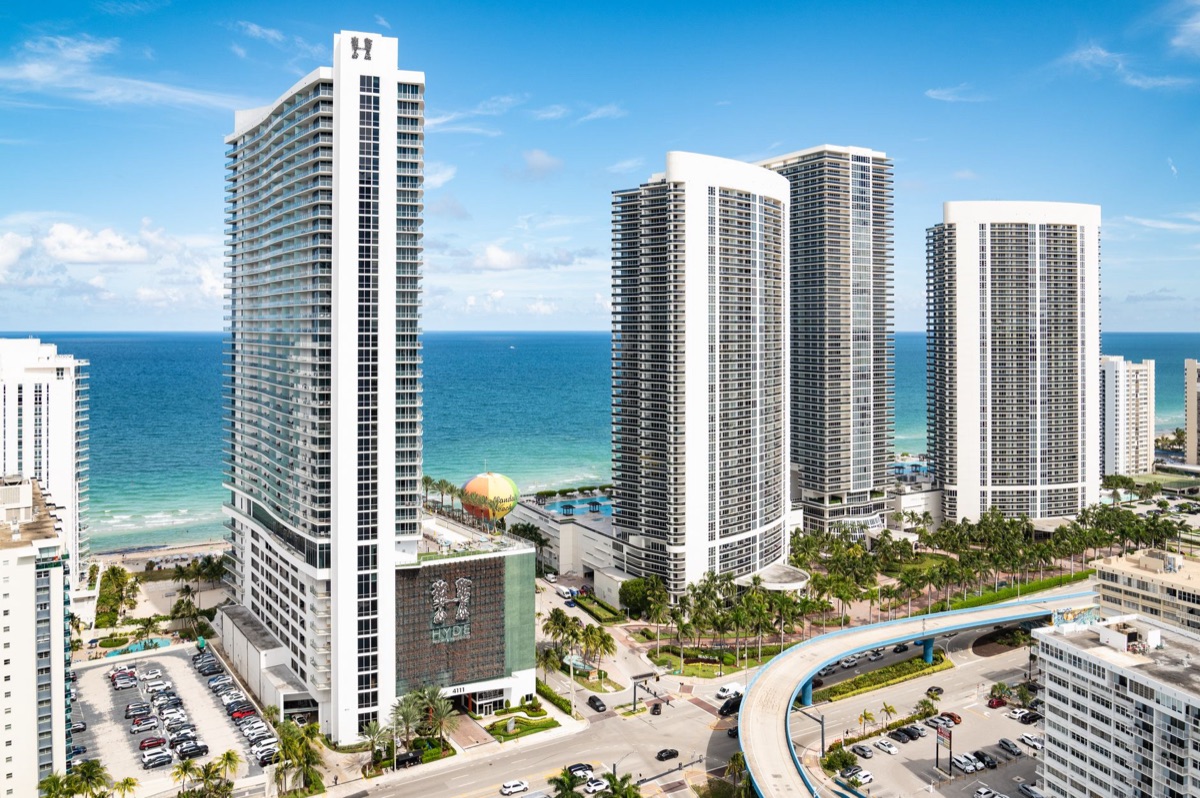
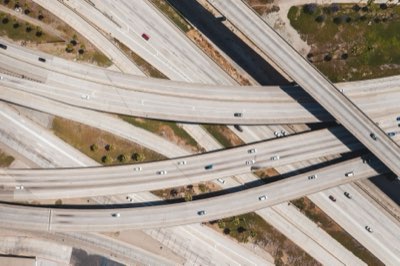
The driver grips the steering wheel as they navigate a massive freeway interchange, looking for an exit while the GPS recalculates. According to the World Bank, the United States recorded international tourist arrivals of 45,037,000 in 2020.
Parking is the hidden cost of Los Angeles. In Santa Monica, street parking can be difficult to find near the ocean, and public lots can be expensive. In Hollywood, almost every hotel will charge a daily parking fee that can rival the cost of a mid-range meal.
Always check if your accommodation includes parking or if there are nearby public garages before you arrive.
The scale of Los Angeles is deceptive. It is not a single city but a massive sprawl of interconnected communities. A distance that looks short on a map can take an hour to traverse during peak traffic.
This is why your choice of base matters so much; you are not just choosing a bed, you are choosing your starting point in a massive traffic puzzle.
For cultural immersion, remember that both areas have distinct local pockets. In the Westside, look for the artisanal food scene and seaside markets. In Hollywood, look for the classic diner culture and the diverse food trucks that line the streets.
But how do you actually organize your arrival? Follow these steps to ensure a smooth transition into the city.
- Set your primary anchor: Choose your hotel based on your most frequent activity (Beach vs. Studio tours).
- Calculate the "Parking Tax": Add $40-$60 per day to your hotel budget if you are staying in central Hollywood.
- Download local transit apps: Map out the Metro lines and rideshare availability for your specific hotel address.
- Schedule your "Big Moves": Plan major sightseeing trips for mid-week to avoid weekend congestion.
- ly

Comments 0