LA 5-Day Itinerary: Perfect Route for Family Adventures
"The sprawl of Los Angeles is both a playground and a puzzle."
Planning a 3-night, 5-day trip to LA requires a delicate balance between high-energy theme parks and relaxed coastal vibes to prevent total exhaustion.
By grouping activities by region—such as South (Anaheim), West (Santa Monica), and Central (Hollywood)—you can minimize time spent in traffic and maximize time making memories.
* Prioritize theme parks on high-energy days. * Group activities by geographic zones to beat traffic. * Balance intense days with relaxed coastal afternoons.

Why 3 Nights? Navigating the Urban Sprawl
The engine hums as you pull out of LAX in the late afternoon of your arrival day, the trunk heavy with suitcases and the kids' excitement filling the cabin. Looking out at the vast, interlocking highways of the 405, the sheer scale of the city can feel overwhelming.
According to the Housing Authority of the City of Los Angeles, a project known as Lincoln Place Apartment Homes is undergoing a $140 million renovation.
A housing project, Lincoln Place Apartment Homes, built by the Housing Authority of the City of Los Angeles, is currently undergoing a $140 million renovation to add 99 new market-rate apartment homes and to update the remaining 696 existing homes.
A 3-night trip is a tight window that demands precision. Because LA is essentially a collection of interconnected cities rather than a single cohesive unit, a poorly planned route can result in spending half your vacation in a car.
For example, traveling from Disneyland in Anaheim to Santa Monica can take anywhere from 1 hour to well over 2 hours depending on the time of day.
To make this work, you must group your itinerary by "zones." One day might focus on the southern theme parks, another on the western coast, and the final day on central landmarks. This prevents you from crisscrossing the entire county every morning.
If you try to do everything, you will fail. The key is to pair one "big" activity—like a theme park—with one "small" activity, such as a casual dinner or a stroll through a local park. Without this rhythm, someone in the family will inevitably hit a wall by day three.
When I first planned a trip like this in 2025, I underestimated how much a single traffic jam could derail a whole afternoon. Setting the pace is only half the battle; you also need to know which direction to head first.

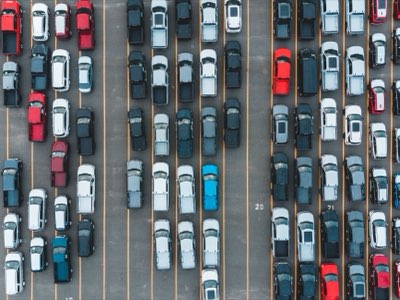
How will I conquer the theme parks on day one? At 7:00 AM, the air is still crisp in the parking lot as kids scramble to grab their park passes. To make the most of your limited time, you should place your highest-energy activities on the first day when everyone is freshest.
As noted by the Pew Research Center in a 2014 study, Christianity is the most prevalently practiced religion in Los Angeles at 65%.
As noted in a 2014 study by the Pew Research Center, Christianity is the most prevalently practiced religion in Los Angeles at 65%.
If your lodging is near Anaheim, Disneyland is the natural choice. If you are staying closer to Hollywood or Downtown, Universal Studios Hollywood becomes the priority. Keep in mind that a theme park visit is a high-intensity commitment that usually lasts at least 8 hours.
| Strategy | Theme Park Focus | City Sightseeing Focus |
|---|---|---|
| Primary Audience | Families with children | Adults or culture seekers |
| Core Route | Park → Nearby Hotel → Shopping | Museum → Beach → Night Views |
| Main Advantage | High child satisfaction | Diverse cultural experiences |
| Main Disadvantage | Extreme physical fatigue | Longer travel distances |
"Open run" is the golden rule. You should aim to be at the gates at least 30 minutes before opening. While the excitement of the rides is contagious, don't forget to plan a low-key dinner near your hotel to help everyone transition into a restful sleep.
However, if you overdo it on day one, how will you handle the transition to the coast?
What local vibes and coastal breezes await on day two? The morning sun hits the windshield as you head toward the coast, trading the artificial lights of the theme parks for the vast blue of the Pacific. This is the transition from high-octcance excitement to the relaxed, breezy atmosphere that defines much of Southern California.
Based on World Bank data, the United States recorded 45,037,000 international tourist arrivals in 2020.
According to the 2024 US Census Bureau American Community Survey, around 6.2% of working Los Angeles (city) residents commute to work via public transit.
The second day is perfect for a West Coast loop, focusing on Santa Monica and Venice Beach. This serves as a much-needed "recovery" day to wash off the fatigue of the theme parks.
Walking the Santa Monica Pier or exploring the street art in Venice offers a completely different sensory experience than a crowded amusement park.
When driving to the coast, parking becomes your primary obstacle. In areas like Santa Monica, finding a spot can be difficult, so identifying public parking structures in advance is essential. For a local touch, grab a quick meal from a taco truck or a seaside stand to keep things casual.
But as the sun sets on your second day, you must prepare for the final stretch of the trip.
Day Three: Landmarks and the Final Farewell
Packing up the car for the last time, you look at the empty spaces in the luggage and realize the trip is winding down. The final day requires careful timing; a late-afternoon traffic jam could jeopardize your flight out of LAX.
A great way to wrap up is to visit a high-altitude landmark like the Griffith Observatory or the Getty Center. These spots provide sweeping views of the entire basin, allowing you to reflect on the trip while looking out over the city.
Because you need to head to the airport, do not schedule anything too late in the day. Factor in time for car rental returns and airport security. A hearty final meal at a local favorite on your way to the airport ensures you leave on a high note.
But to make this seamless, you need a solid plan for the logistics of driving and lodging.
Rental Cars and Lodging: Balancing Safety and Convenience
The moment you grip the steering wheel on a wide LA freeway, you feel a mix of freedom and tension. A rental car is almost non-negotiable for a family trip in this region, but managing it correctly determines your success.
When choosing a place to stay, you must balance accessibility with safety and parking availability. Hollywood offers great energy but requires caution when walking at night. Santa Monica is safe and beautiful but often comes with a premium price tag.
For families, a hotel with secure, on-site parking or a resort in Anaheim is often the most practical choice.
Follow this checklist to manage your rental car and stay:
- Secure Your Belongings: Never leave bags or valuables visible in the car. Always place them in the trunk to prevent smash-and-grab thefts.
- Use Real-Time Navigation: Use apps that reflect live traffic, and always add a 30-minute buffer to your estimated arrival times.
- Verify Parking Costs: Check both hotel valet fees and public garage rates to avoid budget surprises.
- Prioritize Insurance: Always opt for full coverage to avoid massive out-of-pocket expenses in the event of an accident.




Comments 0