LA lodging guide local tips: 44 miles north to south guide
"The city is vast, stretching from north to south and east to west, making the choice of where to lay your head a decision that shapes your entire experience of the sun-drenched sprawl."
Choosing the right neighborhood in Los Angeles requires balancing proximity to attractions with the reality of urban transit. This guide helps travelers navigate the sprawling city by understanding geographic layouts, traffic realities, and urban density to find the best LA lodging local advice.
Key takeaways include understanding the massive scale of the city, preparing for significant traffic delays, and recognizing the distinction between high-rise centers and low-rise residential areas.
How do I choose the best LA neighborhood stay?
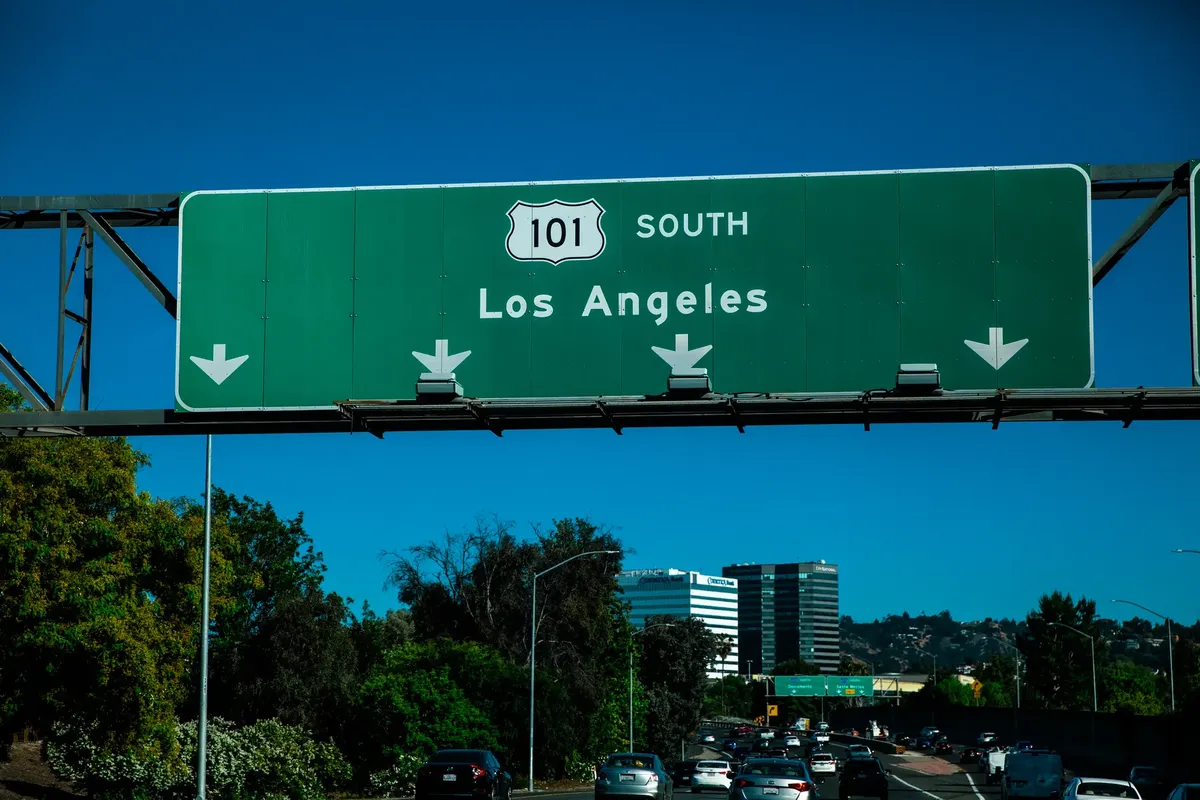
At sunset, I traced the sprawling street maps with a trembling finger, trying to visualize my perfect lodging in the vast city.
A traveler stands at a busy intersection in Hollywood, looking at a map that seems too small for the reality of the streets. To find the best LA neighborhood stay, one must consider the sheer scale of the city, which extends 44 miles from north to south and 29 miles from east to west.
Because the city is so large, your choice of accommodation will dictate how much time you spend in transit. Selecting a location near your primary interests can mitigate the logistical challenges of a massive metropolitan area.
The city covers a total area of 502.7 square miles, comprising 468.7 square miles of land and 34.0 square miles of water. This vastness means that "neighborhoods" are often separated by significant distances.
The city's perimeter is 342 miles, creating a wide ring of possibilities for visitors. You should evaluate whether you prefer a central urban hub or a more spread-out residential feel.
The city's layout includes long thoroughfares, such as Foothill Boulevard, which reaches over 60 miles to the east. Planning around these distances is essential for a successful trip.
However, the ideal location depends entirely on your personal priorities regarding atmosphere and proximity to specific attractions.
How will LA traffic affect my stay? LA lodging guide local tips A driver grips the steering wheel tightly as the red brake lights of a line of cars stretch toward the horizon. Following LA lodging local advice means acknowledging that the road is often a major part of the travel experience.
The Texas Transportation Institute's annual Urban Mobility Report ranked Los Angeles area roads the most congested in the United States in 2019. During that year, area residents experienced a cumulative average of 119 hours waiting in traffic.
When planning your stay, you must account for these delays. A location that looks close on a map might take an hour to reach during peak hours.
During peak rush hour, there is 80% congestion, according to the index. This high level of congestion can significantly impact your daily schedule.
The impact of traffic is a primary factor in selecting a base of operations. You might find that LA drivers spend an additional 92 hours in traffic each year.
However, these travel times are highly variable and may not apply during peak rush hour periods.
Where can I find a true urban vibe?
In the middle of the neon-lit street, I felt the vibration of the subway beneath my feet while searching for the perfect urban lodging. A traveler looks up from a sidewalk, dwarfed by the shadows of glass towers reaching toward the sky. If you want an urban atmosphere, you must look toward specific centers where high-rise buildings are concentrated.
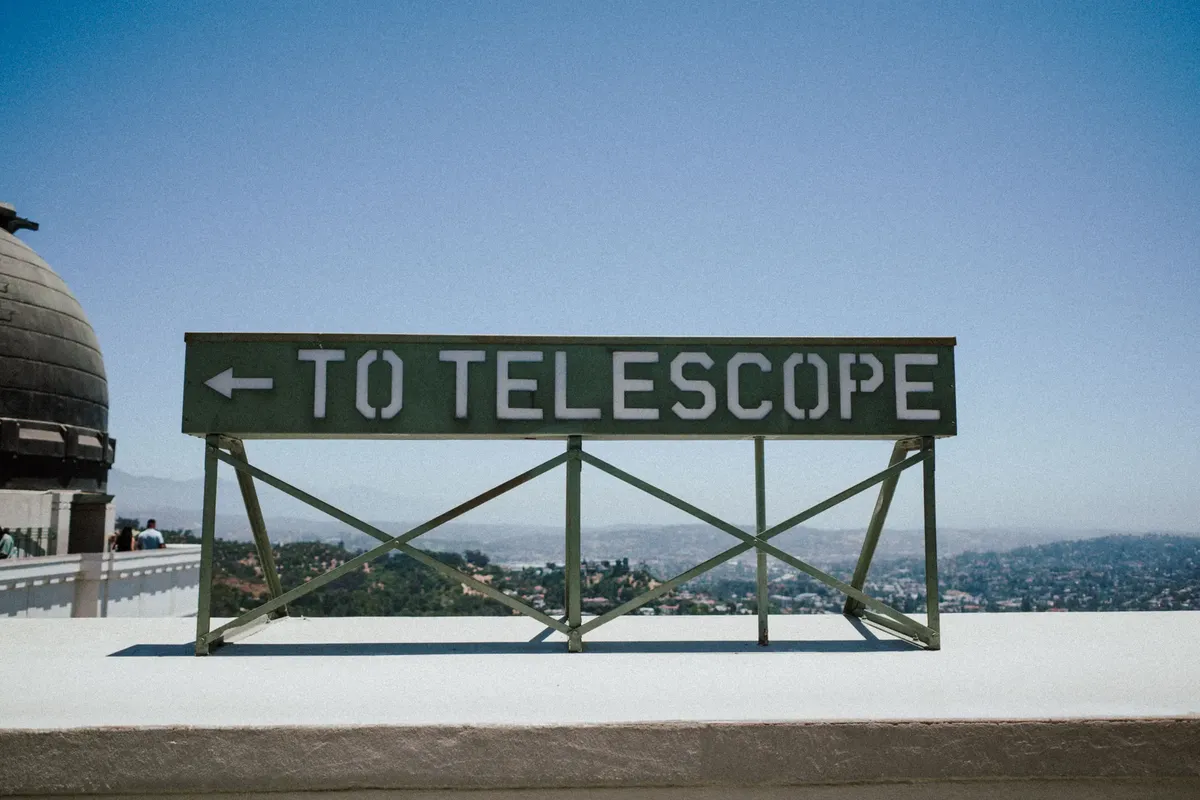
Outside of a few centers such as downtown, Warner Center, Century City, Koreatown, Miracle Mile, Hollywood, and Westwood, skyscrapers and high-rise buildings are not common in Los Angeles. These hubs offer a more vertical, metropolitan feel.
Downtown Los Angeles serves as a primary example of this density. It has many buildings over 30 stories, including fourteen over 50 stories and two over 70 stories.
The tallest building in this skyline is the Wilshire Grand Center. Staying in these areas places you in the heart of the city's vertical landscape.
I remember looking up at the downtown skyline and feeling like I was in a completely different world compared to the low-rise suburbs. It is a stark contrast to the rest of the city.
However, these dense areas may lack the quiet residential feel found in other parts of the city.
What is the scale of the LA area for travel planning?
A tourist sits in a parked car, checking a GPS that shows a winding path through a sea of residential streets. Understanding the geography is vital for an effective LA lodging guide.
The city is not a compact destination, and traveling between points can take considerable time. You must decide if you want to stay in one area or move between different zones.
The city covers 502.7 square miles, which is a significant area to navigate. This scale requires careful planning to avoid spending your entire vacation in a vehicle.
The city is 44 miles long from north to south and 29 miles wide from east to west. This rectangular footprint defines the boundaries of your local travel.
The highest point in southern California, San Gorgonio Mountain, is 81 miles east of downtown Los Angeles. This shows how much the surrounding geography extends beyond the city limits.
However, these general size estimates do not account for the vastness of the surrounding suburbs.
How can I manage travel between different parts of the city?
A traveler walks along a wide boulevard, noticing how the streets seem designed for endless movement. Navigating the city requires understanding how the major arteries function.
Major streets are designed to move large volumes of traffic through many parts of the city, many of which are extremely long. For example, Sepulveda Boulevard is 43 miles long.
Using these major roads can help you move between neighborhoods, but they are also where congestion is most felt. It is helpful to know these routes to plan your arrival and departure.
Planning your stay around these corridors can be a double-edged sword. While they provide access, they also host the bulk of the traffic.
The scale of the roads can be overwhelming for first-time visitors. Knowing the length of major streets like Foothill Boulevard can help you realize how far you might be traveling.
However, public transit options may be limited depending on which specific neighborhoods you are traveling between.
Wikipedia: Los Angeles Based on the retained excerpt mentioning Pew Research Center: According to a 2014 study by the Pew Research Center, Christianity is the most prevalently practiced religion in Los Angeles (65%).

Wikipedia: Venice, Los Angeles Based on the retained excerpt mentioning Housing Authority of the City: A housing project, Lincoln Place Apartment Homes, built by the Housing Authority of the City of Los Angeles, is currently undergoing a $140 million renovation to add 99 new market-rate apartment homes and to update the remaining 696 existing homes.
- How do I choose the best LA neighborhood stay?
- What are the realities of LA lodging local advice regarding traffic?
- Where are the high-rise areas for an urban experience?
The subject here is LA lodging guide local tips.
The same subject is also called where to stay in LA.
The same subject is also called LA area lodging tips.
This part also covers safe areas to rent in LA.
This part also covers LA lodging comparison guide.
safe areas to rent in LA
Related


Comments 0