LA Safety Guide: Know Your Neighborhoods Before You Go
"Los Angeles is not a single city, but a massive collection of distinct worlds where moving three blocks in the wrong direction can change your entire experience."
Navigating Los Angeles requires more than just a GPS; it requires an understanding of the invisible boundaries that separate tourist havens from high-risk zones. To travel safely, you must balance the convenience of a rental car with a keen awareness of neighborhood dynamics.
Key Takeaways * Neighborhood awareness is your primary defense: Always research the specific block of your hotel or parking garage before arriving.
* Strategic lodging matters: Choose a base camp like Santa Monica or Anaheim for stability, rather than central Hollywood for every trip. * Vehicle security is critical: Never leave bags or electronics visible in a parked car, regardless of how "safe" the area feels.
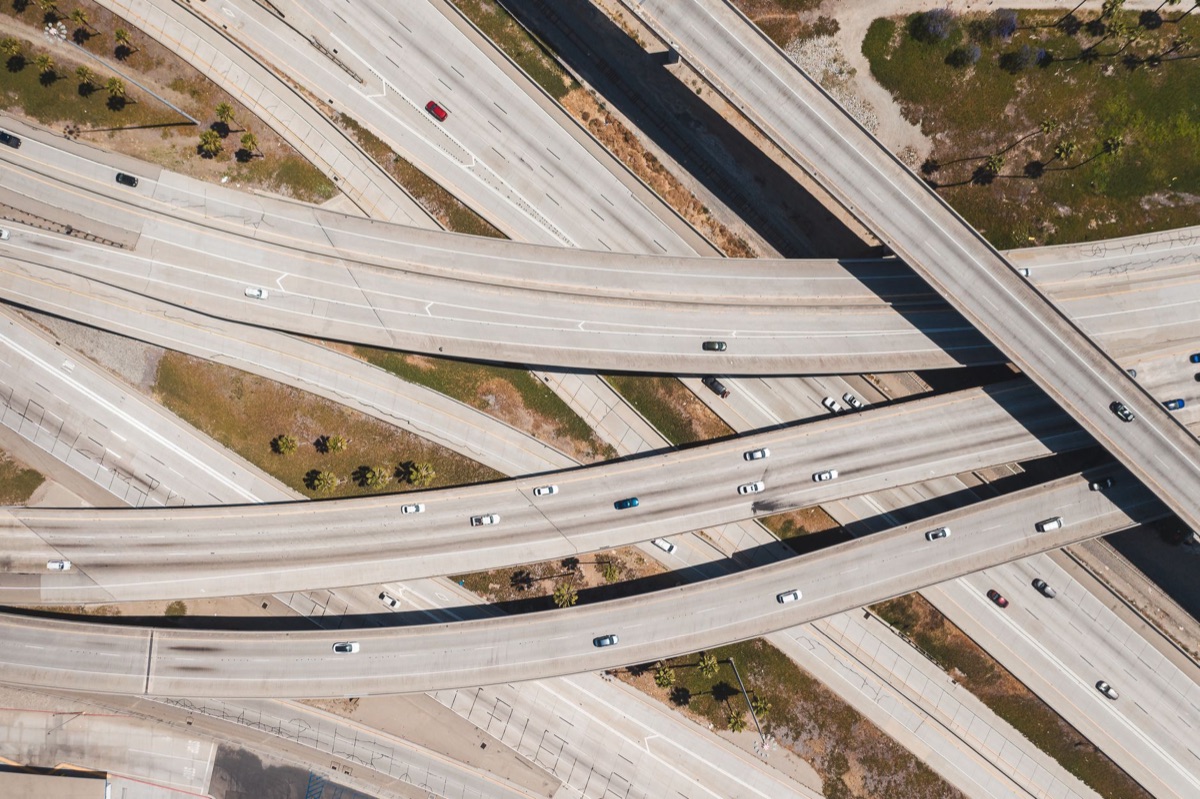
Where should I stay? The sun hits the glass towers of downtown as you pull into a parking garage, realizing the scale of the sprawl is much larger than the brochures suggested. Choosing where to sleep is the most consequential decision of your trip because it dictates your "home base" safety level.
When deciding on a headquarters, you are essentially choosing between convenience and peace of mind. For families or those prioritizing security, coastal areas like Santa Monica or suburban hubs like Anaheim offer much more predictable environments.
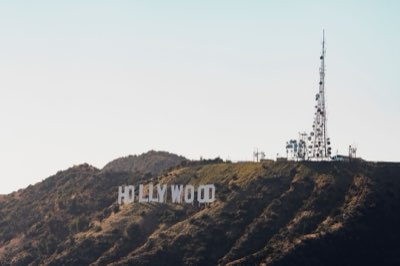
If you choose Hollywood, you are stepping into a high-density, high-traffic area where the transition from a bright tourist street to a much darker, less secure side street can happen in seconds.
K-Town (Koreatown) offers a vibrant, late-night atmosphere with excellent food, but it functions differently than the seaside. While it is centrally located, the density can feel overwhelming.
According to a 2014 study by the Pew Research Center, Christianity is the most prevalently practiced religion in Los Angeles (65%), which often shapes the community structures and local cultural norms you will encounter in various neighborhoods.
| Destination | Safety Profile | Best For |
|---|---|---|
| Santa Monica | High | Families, Beach Lovers |
| Anaheim | High | Theme Park Travelers |
| K-Town | Moderate | Foodies, Night Owls |
| Hollywood | Variable | First-timers, Urban Explorers |
The sheer scale of the Los Angeles metropolitan area makes it difficult to grasp until you are actually moving through it. You aren't just visiting a city; you are navigating a massive, interconnected web of suburbs and urban cores.
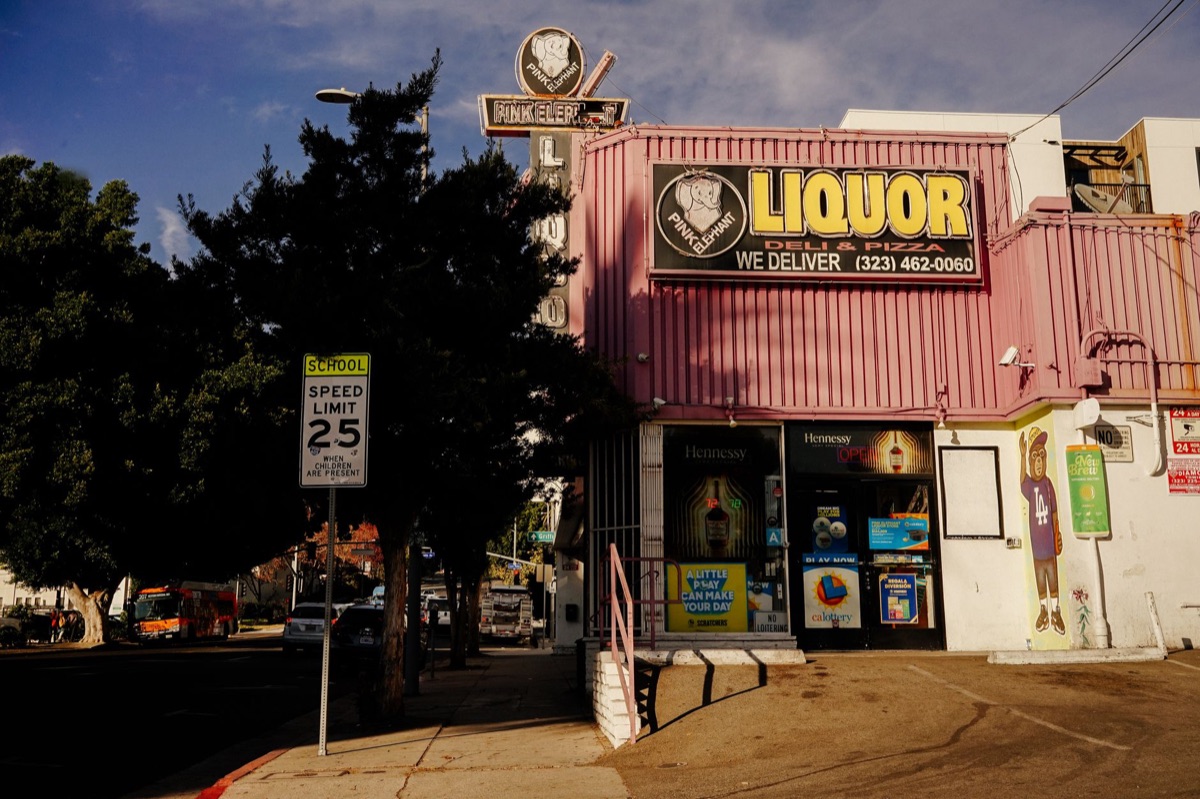
How do I drive safely in LA? You grip the steering wheel as the massive interchange of the 405 freeway looms ahead, the sound of thousands of engines creating a constant low roar. Driving is the lifeblood of LA, but it is also where most tourist frustrations and risks occur.
For most travelers, a rental car is a necessity for moving between distant attractions. However, the transition from an airport pickup to your hotel involves navigating complex freeway systems and tight parking situations. The biggest risk isn't usually the driving itself, but the parking.
"Smash and grabs"—where windows are broken to steal items left in seats—are a common reality in tourist-heavy zones.
The scale of the transit infrastructure is massive. Metro operates the second-largest public transportation system in the United States by ridership, covering a 1,433 square mile operating area and utilizing 2,000 peak-hour buses on any given business day.
While the car is your primary tool, understanding the transit layout helps you realize how much ground you actually need to cover.
When using the freeway, be mindful of carpool lanes (HOV lanes), which are strictly enforced and can lead to heavy fines if you are caught driving solo in them.
Always plan your route to avoid driving through unfamiliar, low-income, or industrial zones late at night just to save ten minutes on a GPS route.
Touring LA: High-Risk vs. Low-Risk Zones
You walk down a sunny boardwalk, the smell of salt air thick in the breeze, only to turn a corner and find the atmosphere suddenly heavy and tense. This is the reality of Los Angeles: the "safety" of an area can be highly localized.
In coastal areas like Venice, the landscape is changing.
For instance, a housing project known as Lincoln Place Apartment Homes, built by the Housing Authority of the City of Los Angeles, is currently undergoing a $140 million renovation to add 99 new market-rate apartment homes and to update the remaining 696 existing homes.
Such developments highlight the constant flux of the city's demographic and economic landscape.
When touring, it is vital to recognize the difference between "tourist-safe" and "actually-safe." A street might be lined with shops and people, but it may still be an area where you should not walk alone at night.
- Stick to Main Arteries: Use well-lit, heavily trafficked streets when moving between attractions.
- Check Your Surroundings: If a street looks deserted or significantly different from the surrounding blocks, turn around.
- Avoid "Shortcut" Instincts: Never take a side street or an alleyway just because a GPS suggests it will save time.
- Use Bike Paths Wisely: In low-exposure coastal areas, dedicated bike paths can be a great way to travel, but always stay alert to traffic.
Beyond the Core: Planning Your LA Itinerary Safely
You sit at a cafe in the morning, spreading out a map and marking your route for the day, knowing that a bad plan can lead to an exhausting and stressful afternoon. A successful LA trip is built on logical, circular routing.
Avoid "zig-zagging" across the city. If you are spending a day in Anaheim for the theme parks, do not try to squeeze in a late-night dinner in Hollywood. The travel time and the exposure to different neighborhood dynamics can be draining.
The scale of international tourism is massive; according to World Bank data, the United States recorded 45,037,000 international tourist arrivals in 2020 (though this figure reflects the unique global context of that year).
This influx means that while many areas are highly prepared for visitors, they are also crowded, which can lead to pickpocketing or general disorientation.
About 6.2% of working Los Angeles city residents commute via public transit according to the 2024 US Census Bureau American Community Survey. While you likely won't be commuting like a local, understanding that many people use the Metro helps you realize where the "pulse" of the city is.
Use the transit-heavy areas for moving during the day, but rely on your rental car or ride-shares for moving between distant hubs.
Essential LA Travel Tips: The Unseen Factors
The engine clicks as you turn it off in a secure parking garage, the silence of the enclosed space a stark contrast to the chaos of the street outside. Safety in LA is often about the "buffer" you create between yourself and potential trouble.
The most important rule is the "Empty Car" rule. Even if you are only stepping into a cafe for two minutes, do not leave a single item—not even a charging cable or an empty shopping bag—in plain sight. If a thief sees an item, they will break the window.
If they see nothing, they will likely move to the next car.
| Tip Category | Actionable Advice |
|---|---|
| Parking | Use underground or gated hotel parking whenever possible. |
| Valuables | Keep passports and extra cash in a hotel safe, not in the car. |
| Navigation | Use a physical sense of direction; don't just stare at the phone. |
| Timing | Plan to be back at your hotel before dark if you are in unfamiliar areas. |
Always maintain a "safety margin." If you think it will take 30 minutes to get somewhere, plan for 50. LA traffic is unpredictable, and being rushed often leads to poor decision-making, such as driving through a sketchy area because you are running late.
#



Comments 0