502.7 sq miles area guide Artistic value through time
"The preservation of historical identity serves as a bridge between the legacies of the past and the evolving realities of the present."
The historical records of Los Angeles reveal a city that grew from a regional center into a dominant global force. This guide explores how the city's vast geography and historical concentration of industry shaped its identity and how those elements remain relevant today.
Key takeaways include the influence of early industrial concentration, the impact of urban expansion on daily life, and the lasting significance of its global status.
How did early industrial concentration shape the city?

At dusk, the heavy scent of coal smoke drifts through the narrow alleys where factories once stood for miles, making my skin prickle.
A vintage film projector hums in a quiet archive, casting flickering light across old reels that once defined an entire era. By 1921, more than 80 percent of the world's film industry was concentrated in L.A.
This massive concentration of creative power established a foundation for the city's global influence long before it became a modern metropolis.
This early dominance created a unique artistic thread through ages, where the tools of storytelling became part of the city's physical and cultural DNA. The density of talent and resources in a single location ensured that the city's identity would be inextricably linked to moving images.
This legacy of industry provided a sense of continuity that remains a core part of the local character.
However, these historical patterns may not apply to cities that underwent rapid, modern decentralization.
What defines the scale of this urban landscape?
A driver grips a steering wheel, staring at a sea of brake lights that stretches toward the horizon as the sun begins to set. The city extends for 44 miles from north to south and for 29 miles from east to west. Such vastness defines the daily experience of navigating a sprawling urban environment.
The sheer size of the territory influences every aspect of social and economic interaction. This vastness is part of the legacy and modern view of a city that must balance massive scale with local connectivity.

Understanding these dimensions helps clarify how the city transitioned from a concentrated hub to a sprawling global entity.
This scale is defined by the following factors: 1. The density of built environments. 2. The reach of transportation networks. 3. The integration of residential and commercial zones.
How does the city's status affect its global role?
A traveler walks through a bustling terminal, surrounded by signs in dozens of different languages. Los Angeles has been classified an "alpha world city" according to a 2012 study by a group at Loughborough University.
This classification reflects its role as a primary node in the global economic and cultural network.
Being an alpha world city means the local environment is shaped by international standards and global movements. This status highlights the artistic value through time that has been built upon its economic and cultural prominence.
The city's importance is not merely local but is recognized on a worldwide stage.
In this overview, the third point regarding global connectivity is the most significant.
What are the challenges of such a massive area?
A commuter checks a watch while sitting on a train, watching the cityscape blur past the window. The city of Los Angeles covers a total area of 502.7 square miles, comprising 468.7 square miles of land and 34.0 square miles of water.
This large footprint presents unique logistical challenges for its residents.
Managing such a diverse and expansive territory requires constant adaptation to changing needs. The interplay between land and water, along with the vastness of the land area, shapes the development of infrastructure.

This constant movement between different zones is part of the figure's journey through art and daily life.
These challenges are not insurmountable in smaller metropolitan regions.
How is the landscape structured?
An architect looks over a blueprint, tracing the lines of streets that cut through the urban fabric. Major streets are designed to move large volumes of traffic through many parts of the city, many of which are extremely long.
This design reflects a city built for movement and connectivity across vast distances.
The layout of the streets dictates the rhythm of the city, creating corridors of activity that span many miles. This structural reality influences how people interact with their environment and each other. It is a physical manifestation of the city's growth and its response to the need for mobility.
The structural analysis follows this order: the first point covers the core, and the second point covers the periphery.
Can we see the history in the skyline?
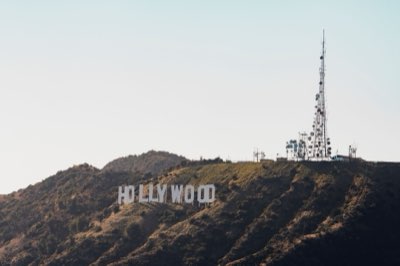
A person stands on a sidewalk, looking up at the varying heights of buildings against a clear blue sky. Outside of a few centers such as downtown, Warner Center, Centuryly City, Koreatown, Miracle Mile, Hollywood, and Westwood, skyscrapers and high-rise buildings are not common in Los Angeles.
This concentration of height in specific hubs creates a distinct visual pattern.

These centers serve as vertical landmarks within a largely horizontal landscape. The contrast between the high-rise hubs and the surrounding areas highlights the specialized nature of different urban zones. This pattern of development is a direct result of how the city grew over time.
This visual interpretation is limited when modern renovations obscure original architectural features.
Wikipedia: Los Angeles Based on the retained excerpt mentioning Census Bureau: According to the 2024 US Census Bureau American Community Survey, around 6.2% of working Los Angeles (city) residents commute to work via public transit.
Wikipedia: Los Angeles Based on the retained excerpt mentioning Pew Research Center: According to a 2014 study by the Pew Research Center, Christianity is the most prevalently practiced religion in Los Angeles (65%).
Related
- LA style brand value: Guide to fashion icon brand loyalty
- LA artist music creation: 80 percent Guide to sound journey
How does the preservation of historical identity relate to modern function?
The preservation of historical identity provides a crucial context for understanding the city's contemporary function. The early industrial concentration, rooted in the film industry's dominance, established a precedent for large-scale creative endeavor.
This foundation allows the modern metropolis to maintain its global relevance while acknowledging its roots.
This continuity between past success and present operation underscores the enduring nature of the city's character. The scale of the urban landscape, which has expanded significantly, is a direct descendant of this initial concentrated burst of activity.
The city's ability to balance this massive scale with its deep historical roots is key to its current success.
How does the city's scale influence its modern function?
The sheer size of the urban territory necessitates complex logistical solutions for contemporary life. The interplay between the land area and the water area dictates the infrastructure required to sustain the populace.
This massive footprint reflects the kind of sustained growth that began with the initial concentration of industry.
The city's global status, recognized by international bodies, depends upon its ability to manage this expansive physical reality. The early success, rooted in the film industry's dominance, provided the initial momentum that drove this continuous expansion.
The preservation of historical identity is thus intertwined with the management of this vast, modern scale.
What is the relationship between growth and continuity?
The city's growth from a regional center to a global force is a continuum rooted in its early industrial concentration. This initial burst of activity set the stage for the modern metropolis to maintain its global relevance.
The continuity between the past's focused energy and the present's sprawling reality is essential to its character.
The modern function of the city relies on the foundational success established decades earlier. The ability to sustain this scale while honoring its origins is a direct outcome of the city's unique journey.
This balance is crucial for the preservation of its historical identity amidst constant change.






Comments 0