Beat the Rush: Your 45-Minute Arrival Plan for Success
"The difference between a magical family memory and a day of pure frustration is often just a matter of how you handle the first sixty minutes of the park day."
If you arrive at the gates when the turnstiles open, you have already lost the battle. To truly win at Universal Studios Hollywood, you need a strategy that treats the park like a tactical mission rather than a casual stroll.
Key Takeaways * Arrival is everything: Being at the gate 45 minutes before "rope drop" is more valuable than any single ticket upgrade. * The Golden Path: Move from high-intensity thrill rides to themed immersion zones in a specific sequence to avoid backtracking.
* Mid-day Pivot: Use the 1 PM to 4 PM window for low-intensity shows or dining to avoid the peak heat and crowd surges. * Express Pass ROI: Only invest in Express Passes if your group size makes standing in 90-minute lines physically impossible.
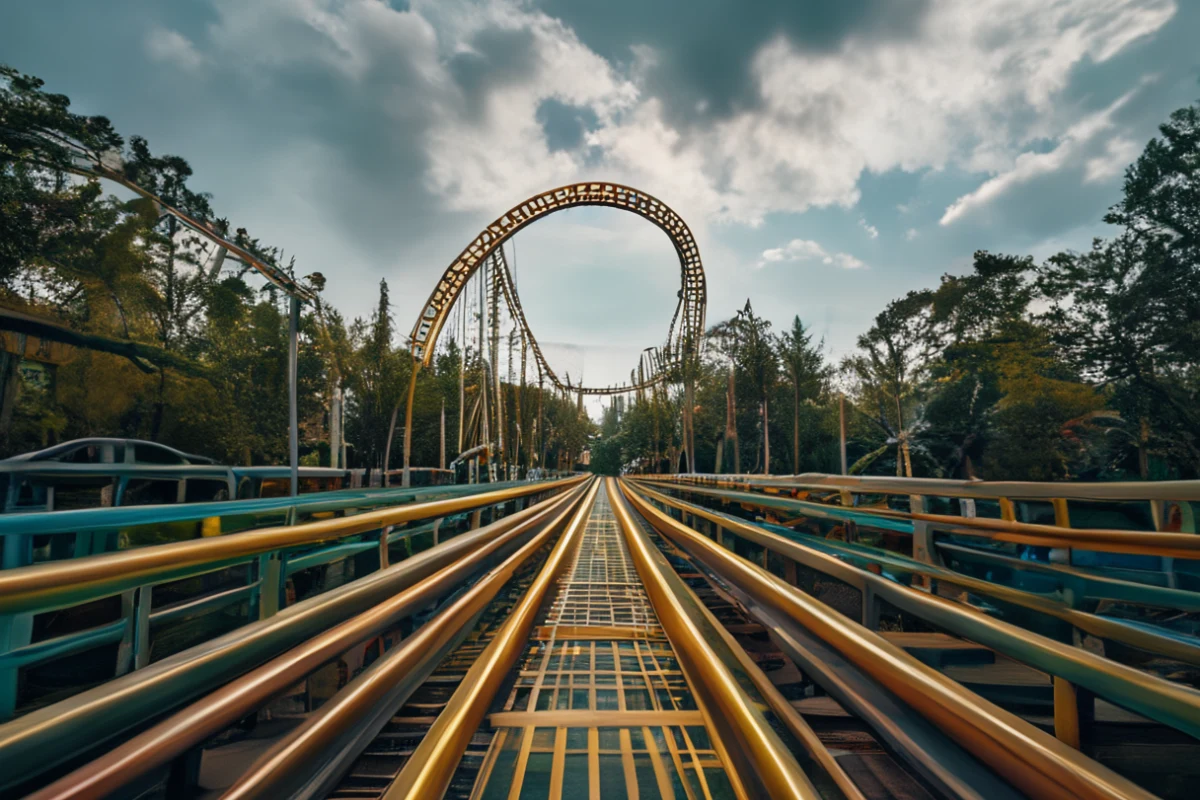
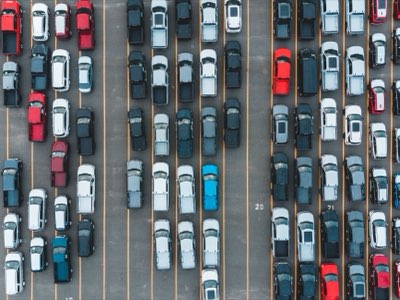
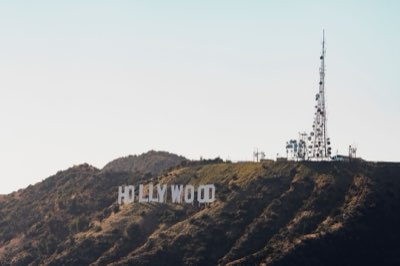
When should I arrive to beat the crowds? The sun is just beginning to hit the Hollywood Hills, and the air is still relatively cool as you pull into the parking structure. You check your watch; it is 6:30 AM, and the gates aren't scheduled to open for another hour.
According to World Bank, the United States recorded share of internet users of 94.7% in 2024.
To beat the crowds, you must master the "Rope Drop" protocol. While your ticket might say a certain opening time, the actual entry into the park often happens earlier for those already in line. If you arrive exactly at opening time, you are joining a stationary crowd that is already late.
Aim to be at the security screening at least 45 minutes before the official opening. This allows you to navigate the transition from the plaza to the actual attraction entrances.
In my own experience, arriving at 6:45 AM in the summer of 2025 meant we were already through security while the second wave of tourists was still fumbling with their parking tickets.
If you miss this window, do not try to rush to the most popular rides immediately. If you arrive at 11:00 AM, the lines for the big hitters will likely be at their peak.
In this scenario, your best move is a "reverse strategy": head to the lower-intensity, themed areas or grab an early lunch to fuel up before the midday surge. This keeps your group's morale high while everyone else is stuck in a heat-induced meltdown in a 90-minute queue.
But what happens once you are actually inside the gates and the gates finally swing open?
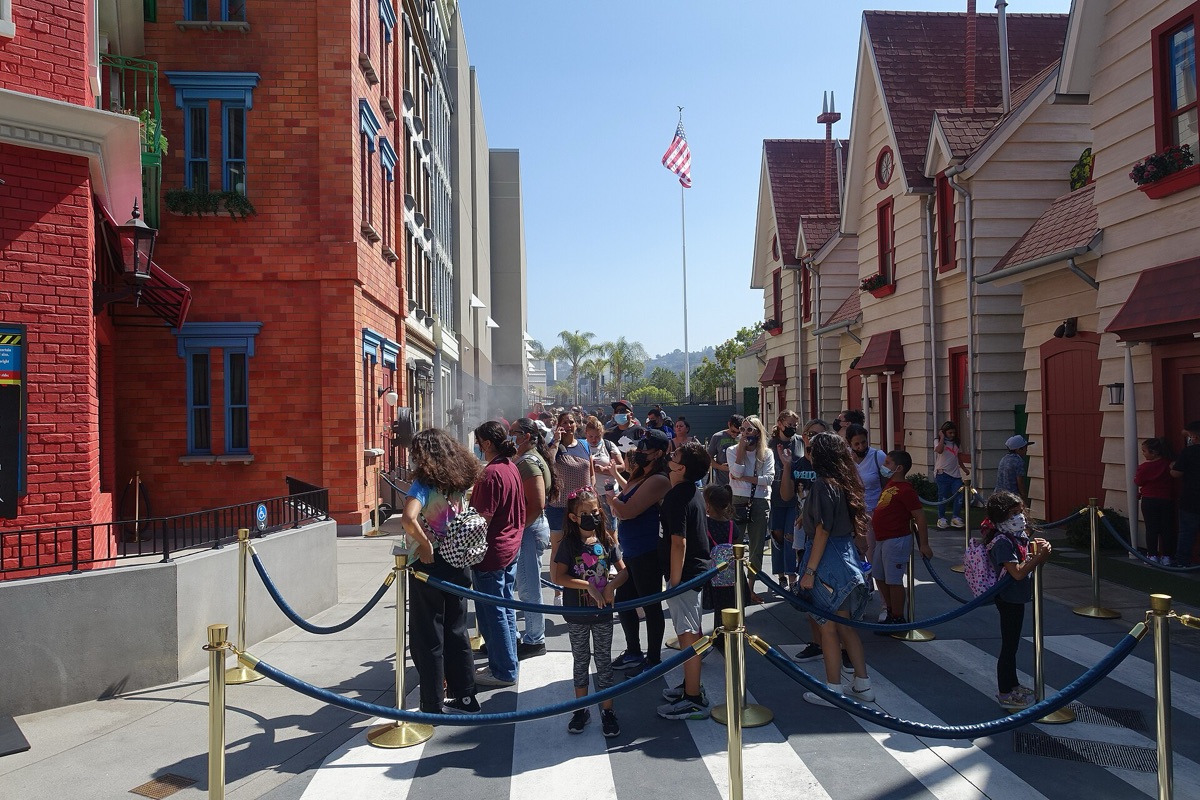
What is the best way to navigate the park? You stand at the entrance plaza, looking up at the various signs directing you toward different worlds. The map in your hand feels heavy, and the sound of distant screams from a roller coaster echoes through the air.
The "Golden Path" is designed to minimize the time you spend walking between zones. For most visitors, the optimal flow begins with a heavy hit on the thrill rides located in the upper sections of the park. Start by hitting the high-capacity roller coasters immediately upon entry.
Once the initial morning rush begins to settle into a steady flow, transition into the immersive themed lands, such as Super Nintendo World or the Wizarding World of Harry Potter. A common mistake is zig-zagging between the top of the hill and the bottom.
Instead, work your way through the park in a logical loop.
During the mid-day slump—typically between 1 PM and 4 PM—the park becomes a bottleneck. This is the time to pivot to indoor attractions or shows that offer air conditioning and seating.
By the time the late-afternoon crowds surge, you should be positioned near the exit or in a lower-density area, ready to catch the final rides of the day.
However, even with a perfect path, you will eventually hit a wall of waiting.
Mastering the Wait Times: Beyond the Ticket Price
You stand in a winding, shaded queue, watching the ride vehicle pull away from the platform. The line moves forward six inches, and you realize you have been in this exact spot for twenty minutes.
Understanding the math of the park is essential. Most major attractions have a cycle time—the time it takes for a ride to load, run, and unload—that usually falls between 60 and 90 minutes.
When you see a wait time of 90 minutes, you aren't just waiting for a ride; you are committing a significant portion of your daylight hours to a stationary task.
The Express Pass is a powerful tool, but it is not always a necessity. If you are visiting on a weekday or during a low-season period, the cost of an Express Pass might be better spent on a high-quality dinner or a second day of admission.
However, if you are visiting during peak summer months or school holidays, the ROI of an Express Pass becomes much clearer. It essentially buys you time, allowing you to see more of the park in a shorter window.
Additionally, always be aware of locker logistics. Many rides require you to store bags, and the time spent walking to a locker and back can add 15 minutes to every ride cycle. If you forget your locker, you might find yourself spending an extra 20 minutes just getting back to the front of the line.
But how do you keep your energy up while you navigate these long waits?
Dining & Breaks: Fueling the Marathon
The smell of smoked meats and sugary churros wafts through the air, making your stomach growl. You look at the long line for a quick-service taco stand and wonder if it is worth the wait.
Strategic dining is a component of your movement strategy. Do not wait until everyone is "starving" to look for food; by then, decision fatigue sets in and tempers flare. Instead, schedule your meals around the ride cycles.
For example, eat a late, heavy breakfast before the park opens, and plan a "late lunch" at 11:00 AM to beat the 12:30 PM rush.
When choosing where to eat, consider the transit time. If you are in the middle of a high-intensity ride loop, choose quick-service options within walking distance of your next target.
If you have a gap in your schedule, a sit-down meal can provide a much-needed "mid-day reset." This break is vital for maintaining energy levels.
For families, a planned period of rest—perhaps sitting in a shaded area or a themed cafe—can prevent the total exhaustion that often leads to a ruined evening. If you don't plan the break, you'll end up paying for it in lost patience later.
So, what happens once the sun goes down and the rides stop running?
Post-Park Recovery: The LA Transition
The sun has set, and the neon lights of the park are glowing brightly. You walk toward the exit, your legs feeling heavy, thinking about the long drive ahead through the city.
Leaving the park is often the most stressful part of the day. In Los Angeles, traffic is a constant variable. If you leave the park during peak evening hours, you may find yourself stuck in significant congestion.
It is often wise to stay in the vicinity for an hour after the park closes to let the initial exodus clear.
If you are staying in a hotel in Hollywood or near Universal City, you might be able to head back quickly. However, if you are commuting from further away, such as from Santa Monica or Anaheim, prepare for a transition period.
Many visitors find that grabbing a late dinner at a nearby restaurant—rather than rushing home—helps decompress.
This transition period is the time to review the day and make quick adjustments for the next morning's plan. It is the difference between a successful trip and one that feels like a blur of exhaustion.
| Strategy Component | Low-Intensity Day | High-Intensity Day |
|---|---|---|
| Arrival Time | 10:00 AM | 7:00 AM |
| Primary Focus | Themed Lands & Shows | Major Roller Coasters |
| Dining Style | Sit-down / Scheduled | Quick-service / On-the-go |
| Express Pass Need | Low | High |
Step-by-Step: The Perfect Morning Execution 1. Pre-Arrival: Check the weather and park hours the night before. Pack water bottles and portable chargers. 2. The Arrival: Arrive at the parking structure 60 minutes before the gates open. 3. The First Strike: Head directly to the highest-demand thrill ride as soon as you enter the park. 4. The Pivot: Once the first big line is conquered, move to a themed area before the mid-day crowd arrives. 5. The Maintenance: Hydrate and grab a snack during the transition between the first and second major ride blocks.
#



Comments 0