Survive LA Traffic: Your Guide to Freeways & Parking
"You don't just drive in Los Angeles; you negotiate with it."
Navigating the sprawl of the City of Angels requires more than just a valid driver's license and a GPS. It requires a mental shift from casual commuting to high-stakes tactical maneuvering.
* Freeway mastery requires aggressive, predictable merging and constant anticipation of 80% congestion levels during peak hours. * Parking logistics demand a clear understanding of the difference between residential permit zones and commercial garage rates to avoid heavy fines. * Time management is critical; always add a 50% buffer to any GPS estimate to account for the unpredictable nature of LA traffic.
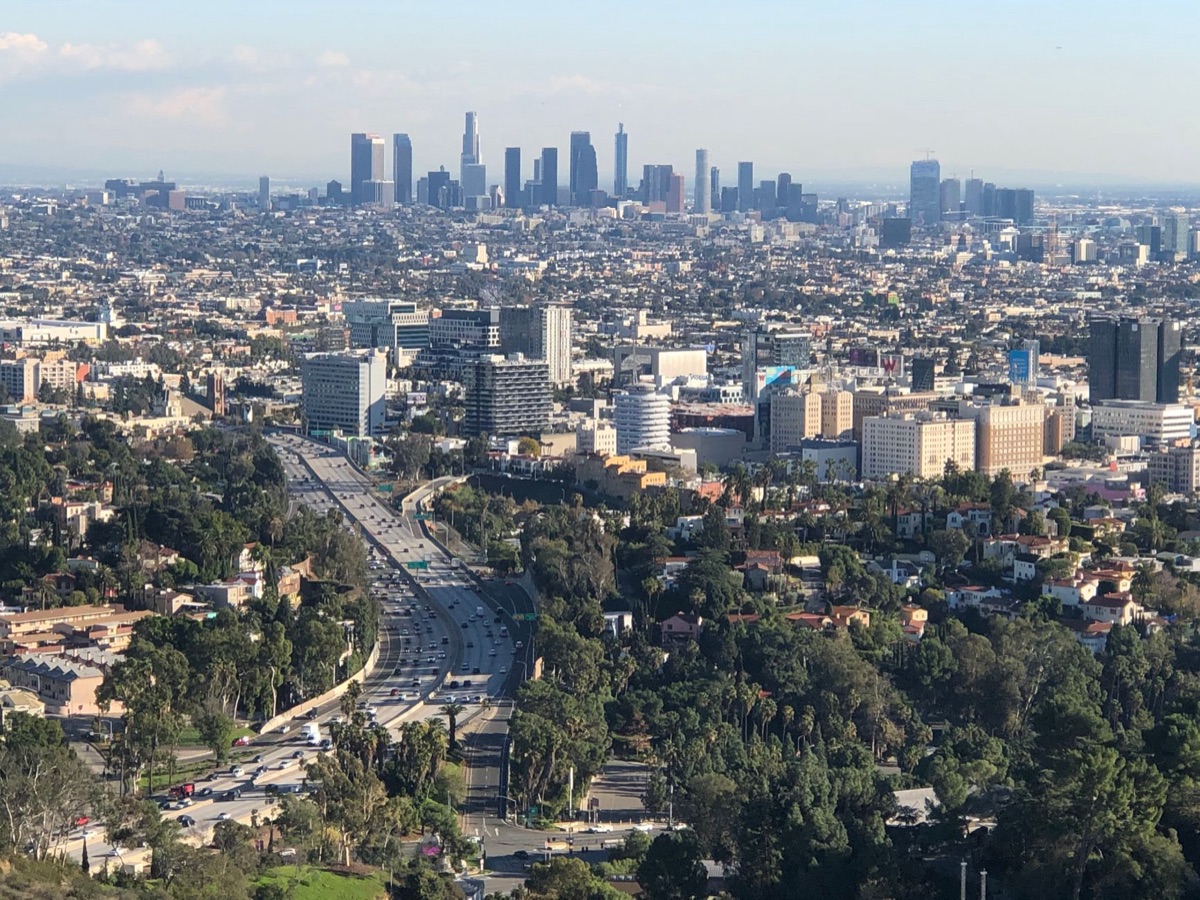
How to Master the LA Freeway System
At dawn, the heat from the asphalt rises through the open window as you grip the steering wheel tightly, eyeing the merging lane.
The sun hits the dashboard of a rental car at 7:30 AM, and suddenly, the quiet suburban street gives way to a wall of brake lights on the 405. You realize that the peaceful drive you imagined is actually a high-speed chess match.
According to the World Bank, the United States recorded a share of internet users of 94.7% in 2024.
When I first rented a car and headed toward the coast, I thought a thirty-minute drive would be a breeze. Instead, I found myself staring at the taillights of a stationary line of cars for nearly an hour, realizing that the map and the reality were two very different things.
The sheer volume of vehicles makes every trip a logistical feat. Drivers in this region spend an average of 92 hours annually stuck in traffic, a reality that makes patience a survival skill.
When you hit the major corridors, understand that these are high-density arteries. For example, long-stretching routes like Sepulveda Boulevard, which spans 43 miles, act as vital connectors that can become massive bottlenecks.
During rush hour, congestion can reach up to 80% of total capacity, turning a thirty-minute trip into a two-hour ordeal. If you don't plan your departures around these peaks, you will spend your vacation looking at the bumper of a white SUV.
Merging is where most visitors struggle. In LA, merging is not a polite suggestion; it is a constant, aggressive flow. You must move decisively into gaps to maintain momentum, but you must also be predictable so others can slot in around you.
But the freeway is only half the battle.
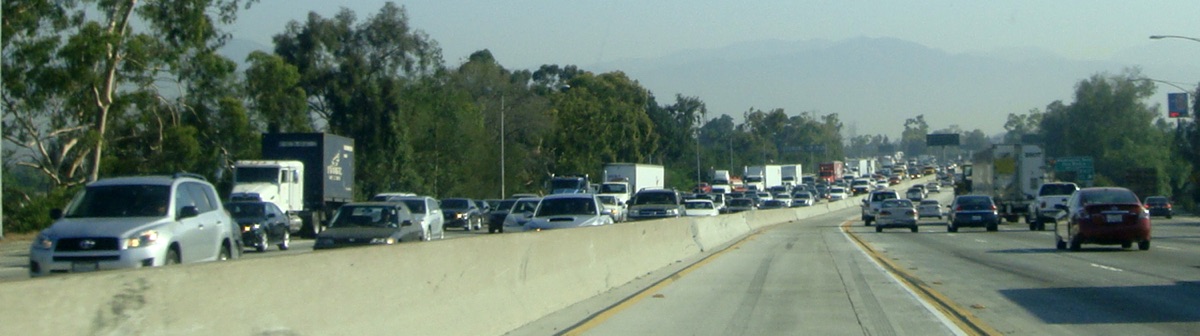
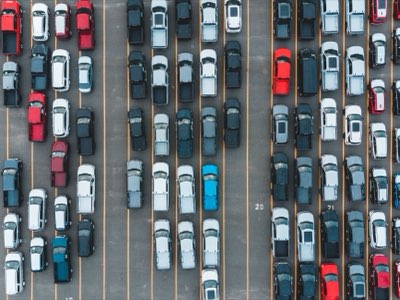
How can I win the parking battle before I even start driving? As the sun dips below the skyline, you circle the narrow street while the scent of exhaust fills your lungs and the frustration of an empty curb settles in.
You pull up to a trendy cafe in West Hollywood, looking for a spot, only to find a line of cars and a sea of "No Parking" signs. The realization hits: finding a place to leave your car might be harder than the drive itself.
According to a 2014 study by the Pew Research Center, Christianity is the most prevalently practiced religion in Los Angeles (65%).
Before you even leave your hotel, research your destination's parking situation. If you are heading to a museum or a major attraction, check if pre-booking a garage spot is an option.
Distinguishing between residential and commercial zones is vital. Many neighborhoods in LA use residential permit-only zones where outsiders are heavily fined for staying too long.
Conversely, commercial garage rates in downtown or near the coast can be incredibly high, often exceeding $40 for a few hours.
Sometimes, the best way to win the parking war is to not play. For short hops between nearby landmarks, compare the cost of a garage against a ride-share service like Uber or Lyft. If a parking garage costs $50 for the afternoon, a $20 ride-share might save you both money and a massive headache.
However, the logistics of the car are nothing compared to the logistics of the city itself.
How do I navigate local ecosystems and driving etiquette? The car door slams shut, and you look out over a vast, undulating landscape of concrete, palm trees, and endless housing developments. It feels less like a city and more like a massive, interconnected web of life.
According to the 2024 US Census Bureau American Community Survey, around 6.2% of working Los Angeles (city) residents commute to work via public transit.
You are driving within a massive ecosystem. Los Angeles County is the most populous county in the United States, with an estimated 9.86 million residents as of 2022. This scale means that traffic isn't just a local nuisance; it is a systemic reality that affects every movement.
The city itself covers 502.7 square miles, which includes 468.7 square miles of land and 34.0 square miles of water. This vastness means that "close by" is a relative term. A trip that looks short on a map might cross multiple distinct micro-climates and traffic patterns.
Driving culture here is high-speed and high-density. It is not like driving in a quiet Midwestern town where everyone waits for a gap. You must adapt to a culture of constant movement.
Your stress levels will fluctuate based on where you are. Driving through the coastal vibes of Santa Monica feels entirely different from navigating the heavy, industrial-to-residential transitions of the Inland Empire. Tailor your driving style to the neighborhood to keep your stress in check.
But how do you actually prepare for a day on the road?
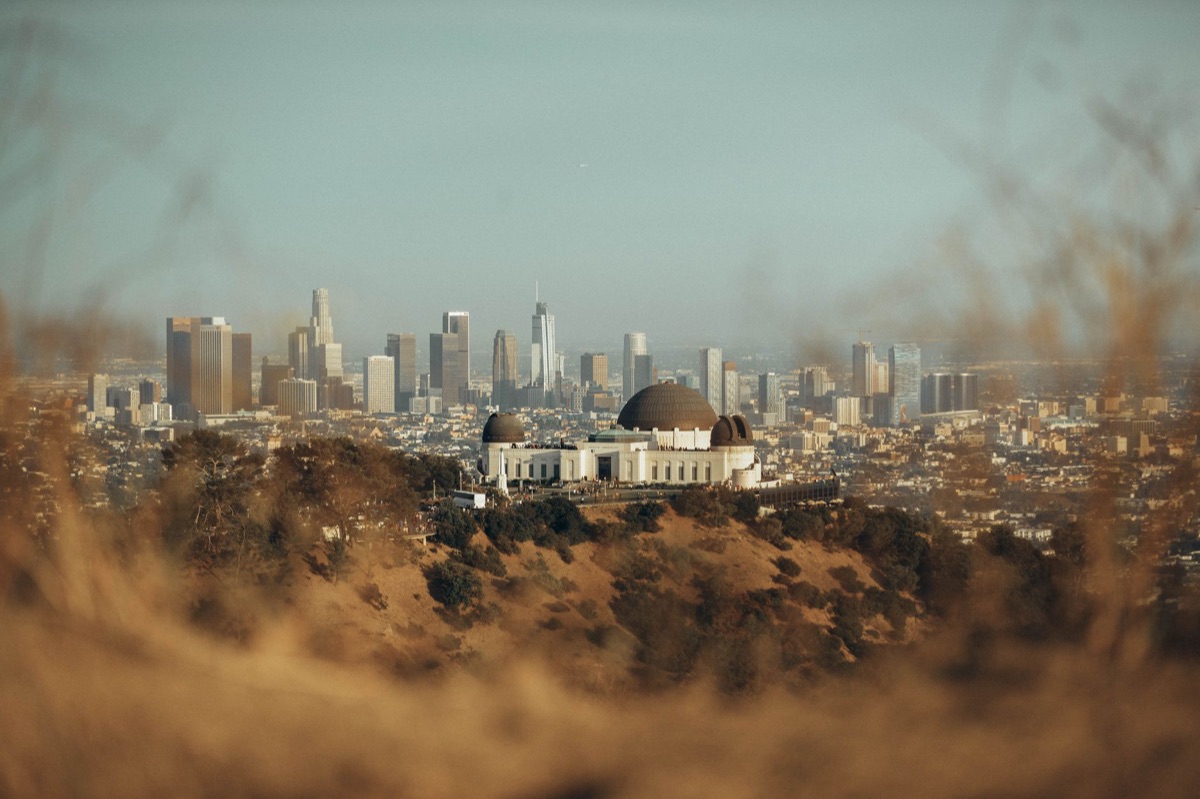
Essential LA Driving Prep Checklist
You sit in the driver's seat, checking your mirrors and looking at the digital map on your phone. You realize that if you don't prepare now, the afternoon rush will swallow your entire itinerary.
To navigate the chaos without losing your mind, follow this tactical checklist:
- Build the Buffer: If your GPS says a trip will take 40 minutes, plan for 60. Adding a 30-50% buffer helps absorb the impact of sudden accidents or lane closures.
- Cross-Reference Navigation: While real-time apps are indispensable, don't rely on them blindly. They can struggle with sudden lane changes or local construction. Cross-reference digital directions with your own understanding of local choke points.
- Verify the Vehicle: Ensure your rental is up to the task. If you are heading toward the outskirts or mountainous regions, ensure your rental has sufficient power for varied terrains and reliable braking systems.
- Check the Zone: Before you park, look at the street signs. Confirm if you are in a residential permit zone or a time-limited commercial zone to avoid a $75+ ticket.
Note that these strategies are designed for standard transit and sightseeing. They do not apply to driving during extreme weather events, such as heavy rain or wildfire-related smoke, where road conditions and visibility change the rules entirely.
| Feature | Freeway Driving | City/Street Driving | | :--- much | :--- | :--- | | Primary Goal | Maintaining momentum | Navigating intersections/pedestrians | | Main Challenge | High-speed merging & congestion | Finding parking & narrow streets | | Typical Speed | 65–80 mph | 25–45 mph | | Stress Level | High (due to volume) | High (due to complexity) |




Comments 0